Journal · Retouching
What does architectural retouching include?
Architectural retouching is the work done on a photograph after the shoot so the building looks the way it does in person: verticals corrected, exposures blended, colour balanced and small distractions removed. Light retouching is included on every image I deliver, and heavier work such as removing scaffolding is charged at £50 an hour.
Retouching
The short answer
When people search for architecture retouching they are usually trying to work out one of two things. Either they want to know what a photographer actually does to the files after the shoot, or they have a quote in front of them and want to know whether the editing is in the price. This post covers both.
In my case every final image goes through what the rates page calls strict multi-level retouching. That means the perspective is corrected so verticals are parallel, several exposures are blended where one frame cannot hold the whole range of light, colour is balanced across daylight and artificial light, and small distractions are cleaned up. That level of work is part of the fee. Medium or heavy retouching, such as complicated item removal, is charged separately at £50 an hour.
Retouching
What light retouching covers
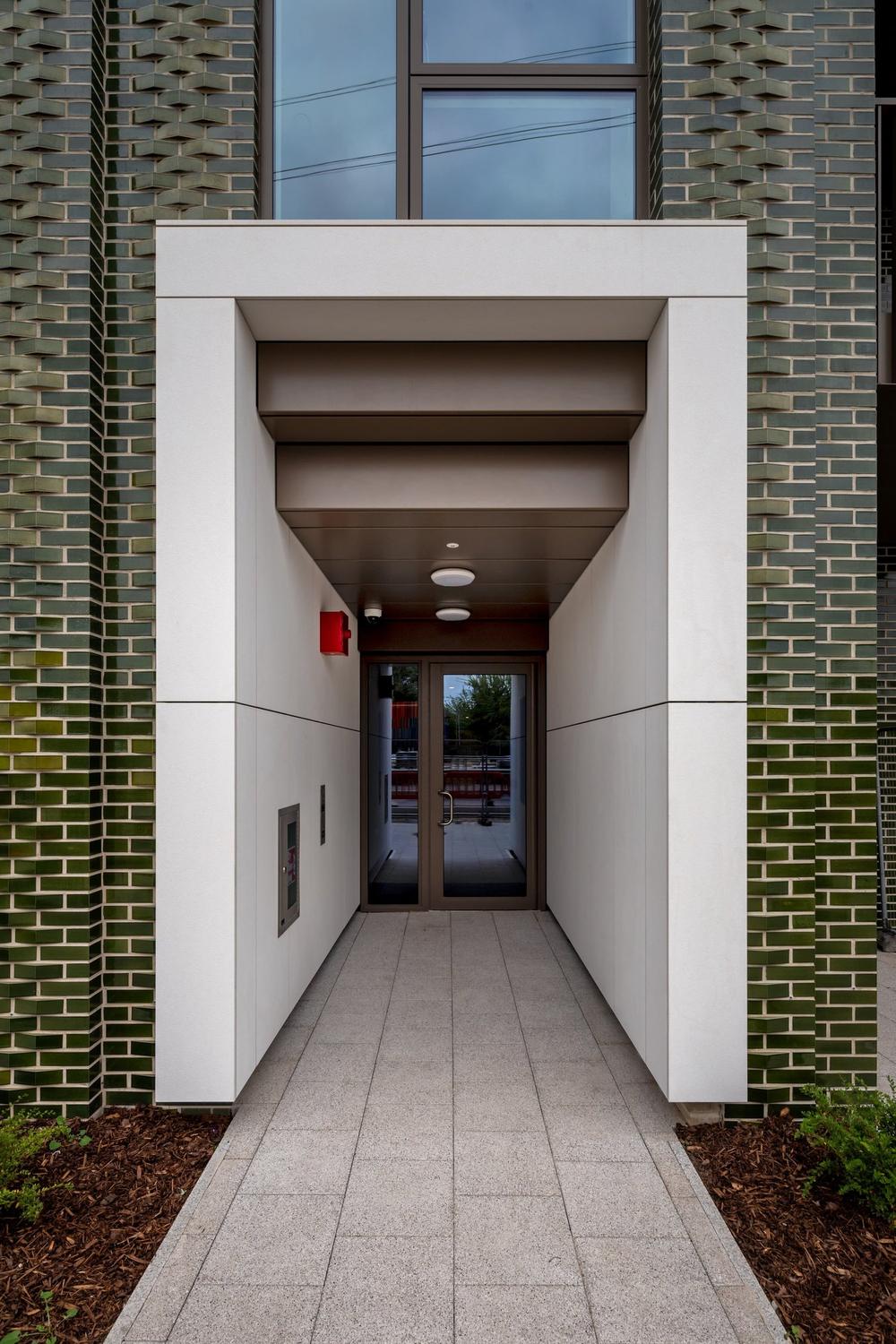
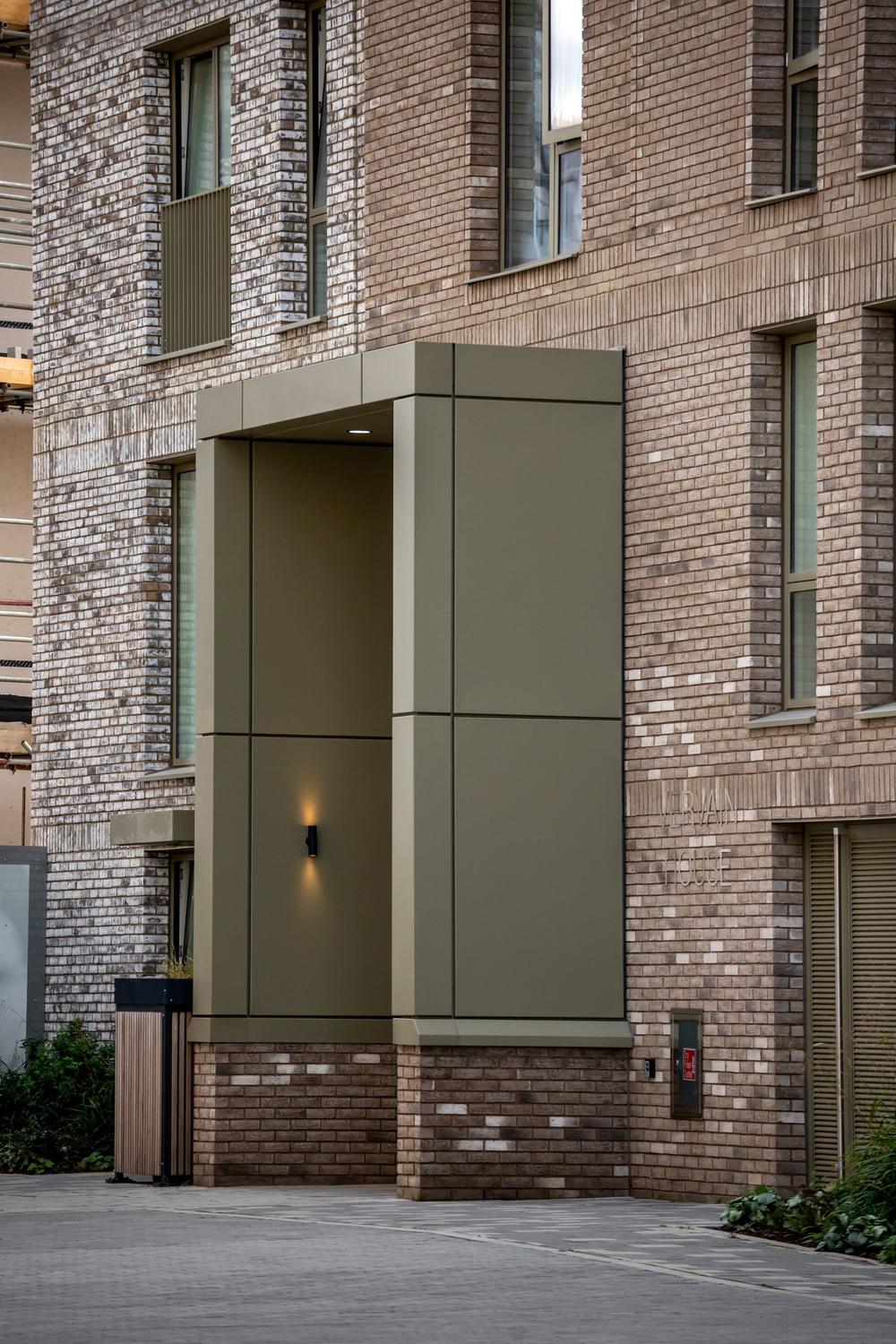
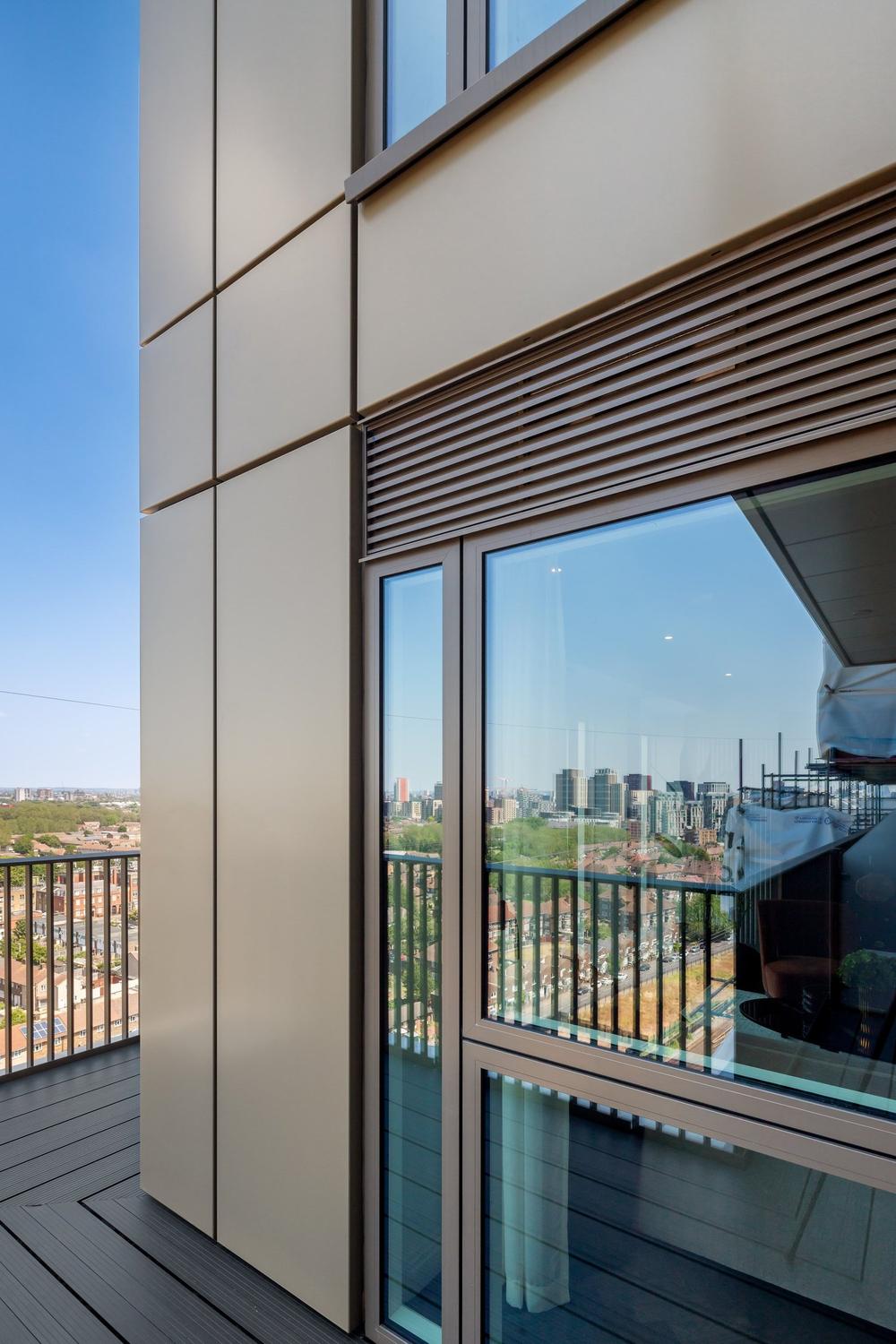
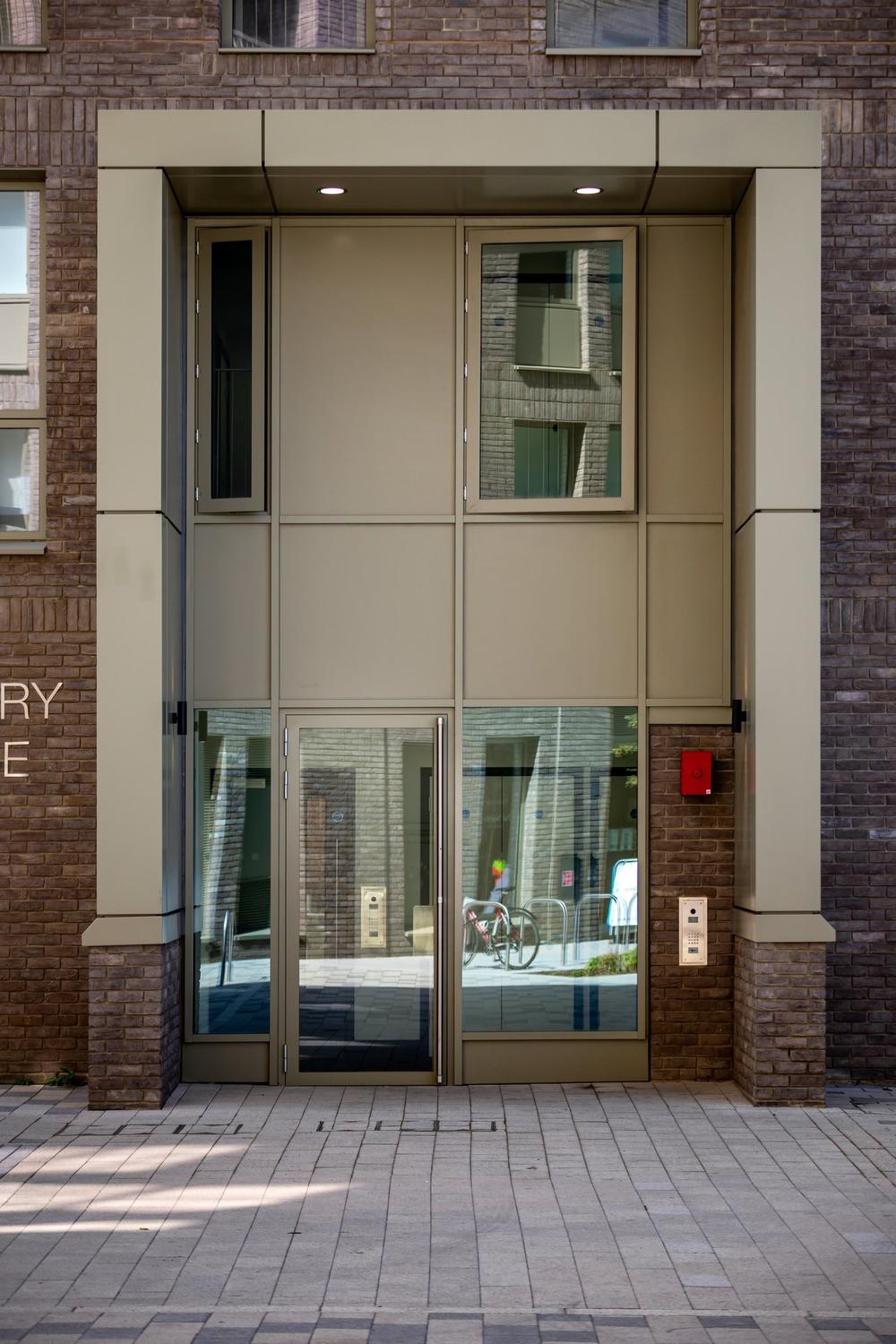
Light retouching is the standard finish, and it is the part most clients never notice because it is meant to look like nothing has been done. On a typical image it includes:
Perspective and verticals. Most of this is done on site with a level camera and a shift lens, but the last bit of correction happens on the computer so walls and window frames run straight up the frame instead of leaning in.
Exposure blending. A camera cannot hold a bright window and a darker room in one frame the way your eye can, so many finished images are several exposures put together. Done well, you see the room and the view outside and nothing looks processed.
Colour. Daylight, LED strips and older fittings all have different colours. The finished image is balanced so white walls look white and the materials look like the samples the architect chose.
Clean-ups. Small things like a stray cable, a sign left on a door, marks on a floor or a sticker on the glass that pulls the eye. These are quick to remove and are treated as part of the normal edit.
Retouching
Why interiors usually need more
Interiors tend to take longer to finish than exteriors. The light inside a room is nearly always a mix of daylight through the windows and artificial light from the fittings, and getting both to look natural in one image takes more blending and more careful colour work than a facade in even daylight.
That extra time is still covered by the standard rate. Interiors are priced the same way as architecture, and there is more on that in how much interior photography costs.
Retouching
What counts as medium or heavy retouching
Heavier retouching is anything that goes beyond tidying the frame and starts rebuilding part of it. The common examples on my shoots are scaffolding that is still up on a finished building, site clutter that could not be moved on the day, and large or complicated objects in front of the architecture, such as a skip, a parked van or temporary fencing.
That work is charged at £50 an hour. I would rather quote it once I know the site than guess, because a single bin in a corner and a full run of scaffolding across an elevation are very different jobs. If you know about it before the shoot, mention it in the brief and I can tell you whether it is likely to need any extra time.
Whether scaffolding should come out at all depends on what the images are for. On a construction progress record you would normally want it left in, since it is part of the record. On a marketing image of a finished building it usually has to go.
Retouching
Clearing the site first saves retouching
Almost everything that ends up as paid retouching could have been cleared before the camera went up. Moving bins, parking a van round the corner, taking down a temporary sign or getting the cleaners in the day before all cost less than removing the same things afterwards, and the result is cleaner.
There is a full checklist in how to prepare a building for a photoshoot. It is worth sending round to whoever manages the building a few days before the date.
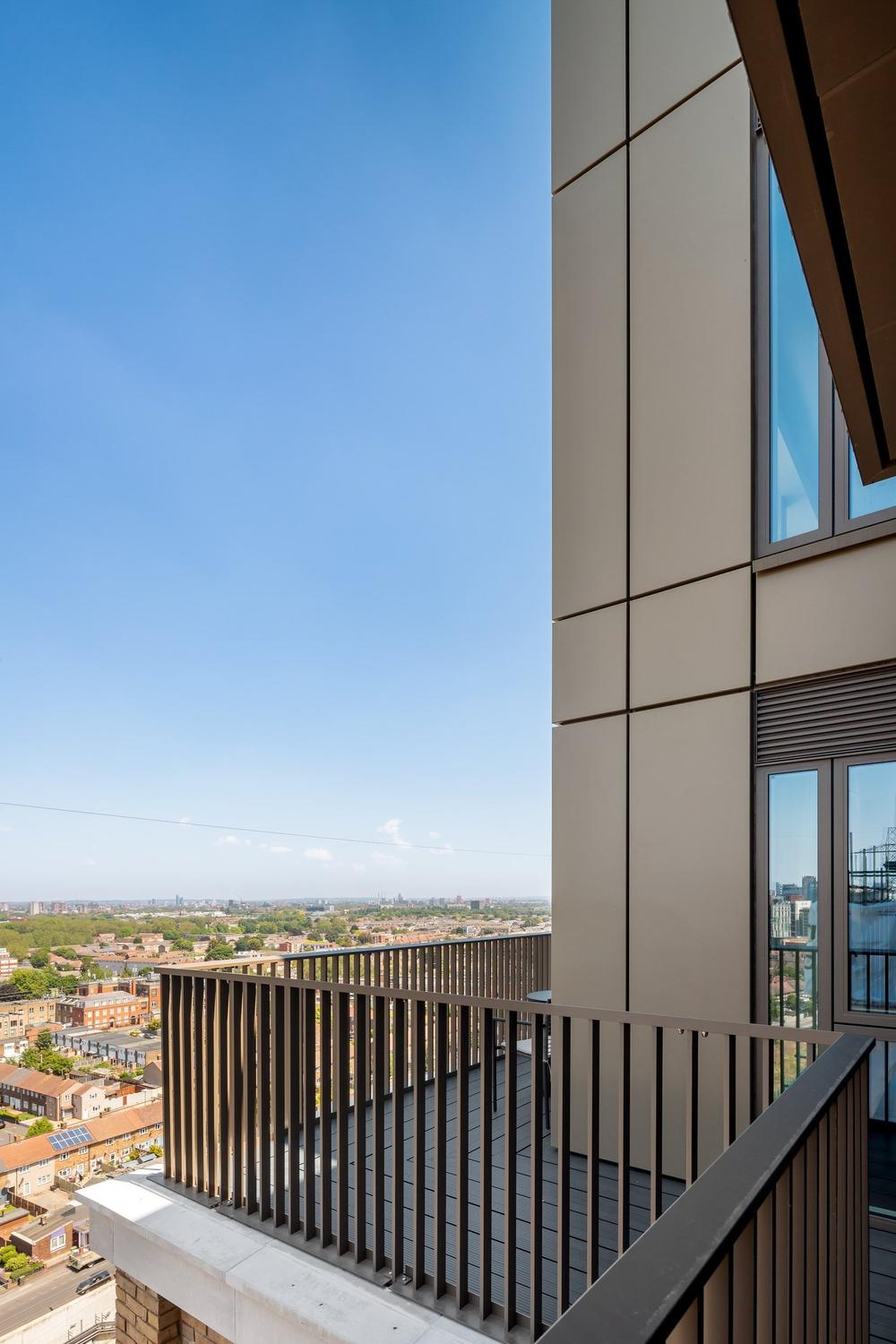
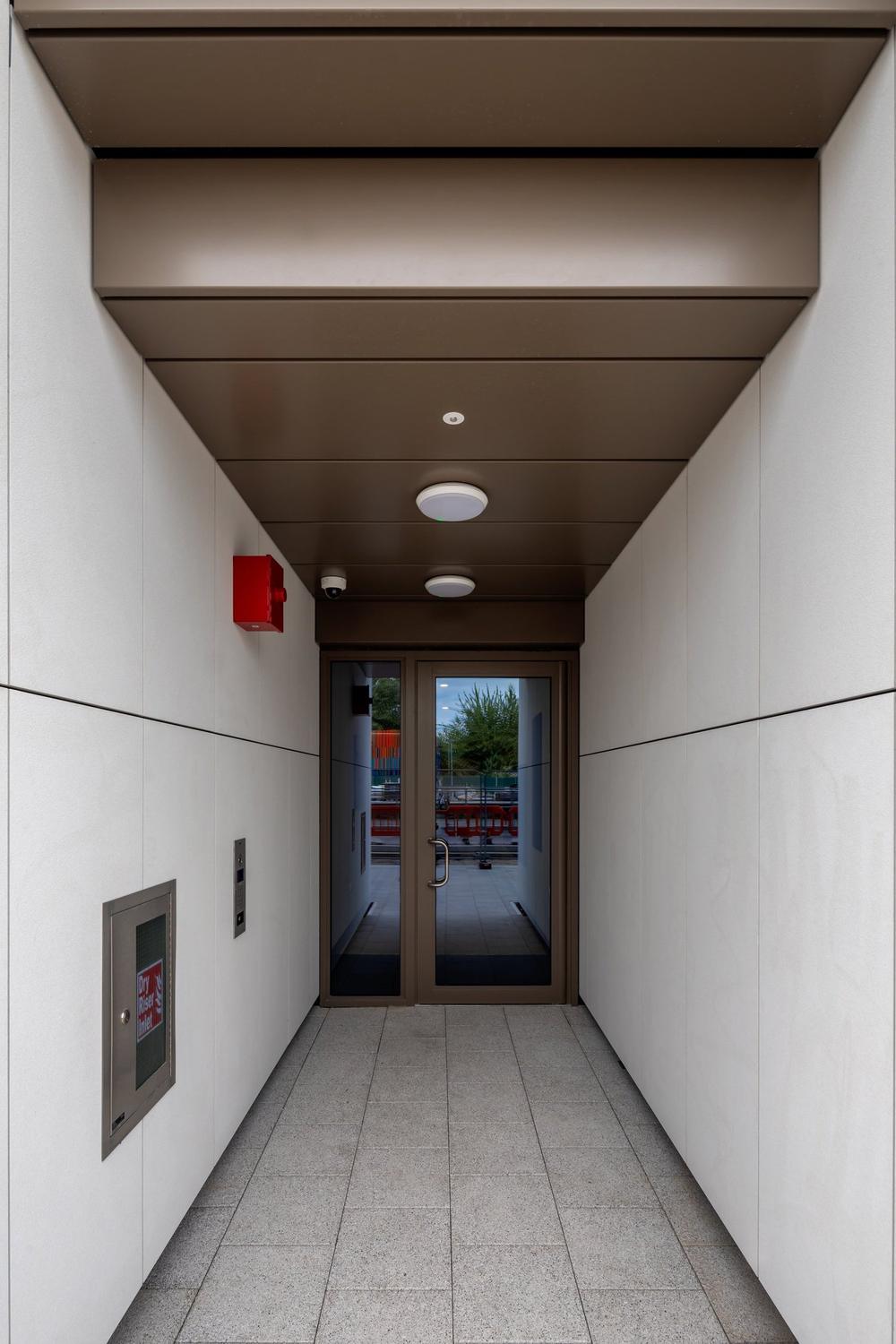
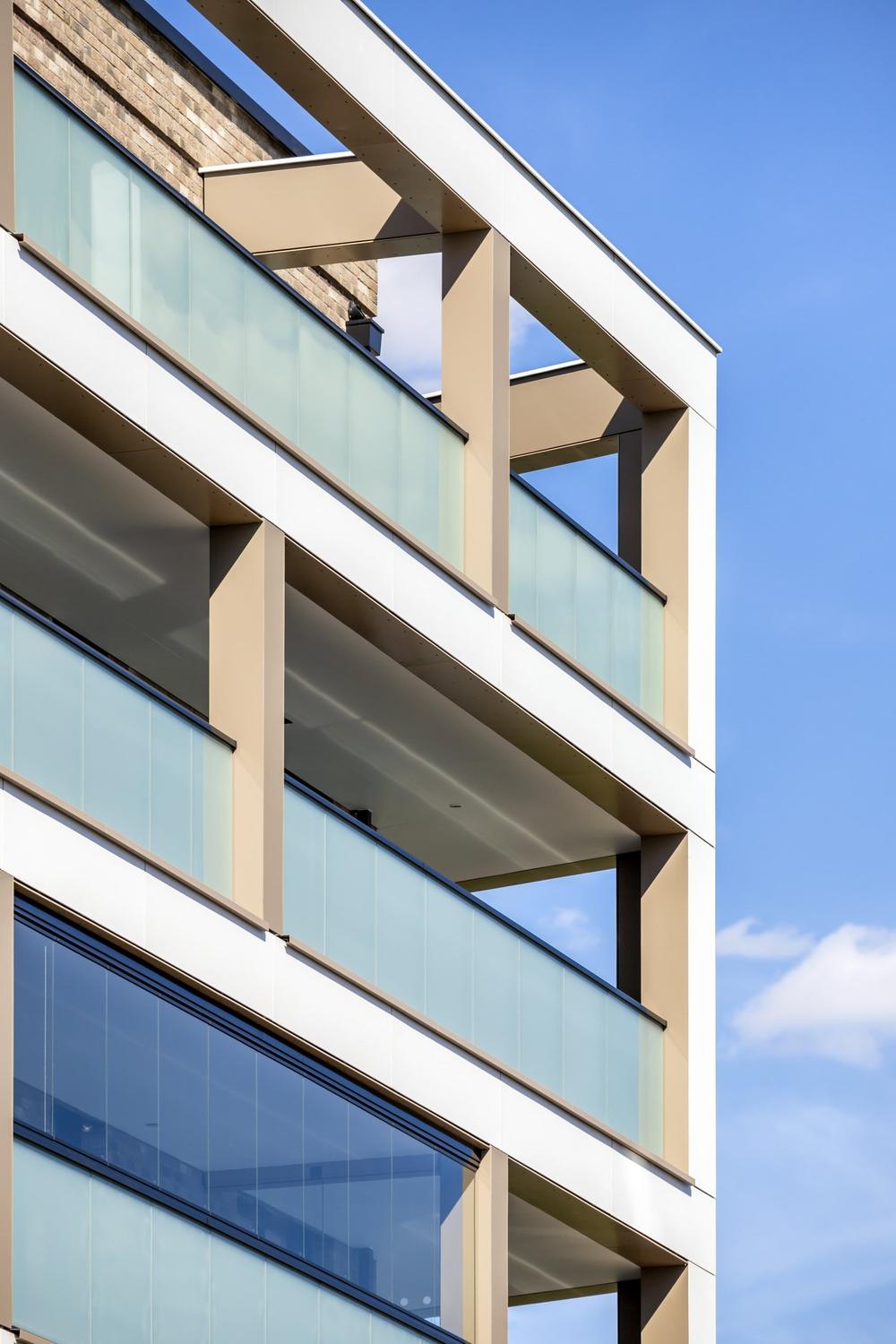
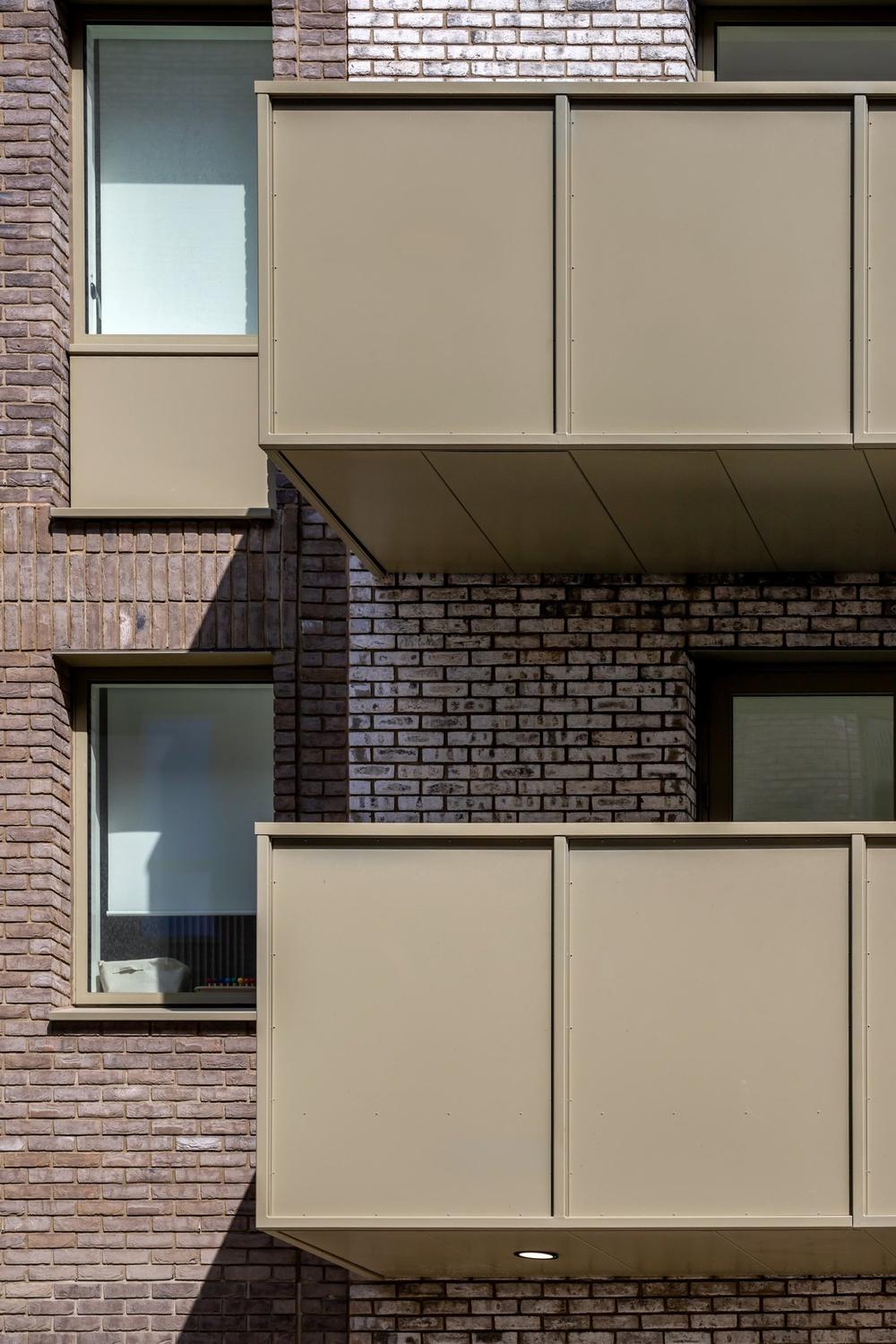
Retouching
What retouching should not do
Good architectural retouching should be hard to spot. The aim is that the building reads the way it was designed and the space looks the way it feels when you stand in it.
The things that give heavy-handed editing away are fairly consistent: halos or dark rims around windows and rooflines from rough exposure blending, skies with no detail at all, colours that are brighter than the real materials, and verticals that have been pulled straight so hard that the building looks stretched. If you are comparing photographers, those are worth looking for in their full galleries. There is more on that in what to look for in an architectural photographer.
Retouching
Where retouching fits in the process
After the shoot you get a PDF contact sheet of every frame that made it past the cull, four previews to an A4 page. You pick your shortlist from that, 20 images on the £700 rate or 40 on the £1,200 rate, and the remaining 50% of the fee is due at this point. Retouching of your shortlist starts once that is settled.
The finished images are delivered in high resolution through WeTransfer, along with web-sized versions for digital use. A first gallery of selects usually arrives within about five working days of the shoot, with the finished retouched files following shortly after. If you need more than your rate's image count, extra images from the same contact sheet are £50 each, and they get the same retouching as the rest.
Retouching
Why I price by the image, not the hour
A single finished frame can take longer to retouch than it took to shoot. That is the main reason my rates are set by the number of final images rather than by time on site alone. A day rate only covers the hours with the camera, which leaves the editing either charged later or rushed.
Worked out per image, the £700 rate comes to £35 for each finished photograph and the £1,200 rate to £30. When you compare quotes, it is worth asking each photographer what retouching is included and what is charged as extra, because two quotes can look similar until you line that up.
Common questions
Frequently asked
What is architectural retouching?
It is the editing done after an architectural shoot so the building looks the way it does in person. That normally means correcting perspective so verticals are parallel, blending exposures so bright windows and darker rooms both hold detail, balancing colour across daylight and artificial light, and removing small distractions.
Is retouching included in the price of architectural photography?
In my case, yes. Light, multi-level retouching is included on every final image in both the £700 and £1,200 rates. Medium or heavy retouching, such as removing scaffolding or complicated objects, is charged at £50 an hour and quoted once I know the site.
Can scaffolding be removed from a building photo?
Yes. Removing scaffolding counts as heavier retouching and is charged at £50 an hour. How long it takes depends on how much of the elevation it covers, so it is quoted once I have seen the site or photos of it.
Do you correct converging verticals?
Yes. Most of the correction happens on site with a level camera and a shift lens, and every final image is then finished so the verticals run straight and the architecture reads the way it was designed.
How long does architectural retouching take?
A first gallery of selects usually arrives within about five working days of the shoot, and the finished retouched files follow shortly after. Press and tender deadlines can be prioritised if you share the date up front.
Where to next