Journal · Choosing
What should you look for in an architectural photographer?
Look past the pretty pictures at three technical things: whether the verticals are straight, whether interiors hold both the room and the window view, and whether the portfolio shows whole buildings rather than lucky corners.
Choosing
Three things to check in any portfolio
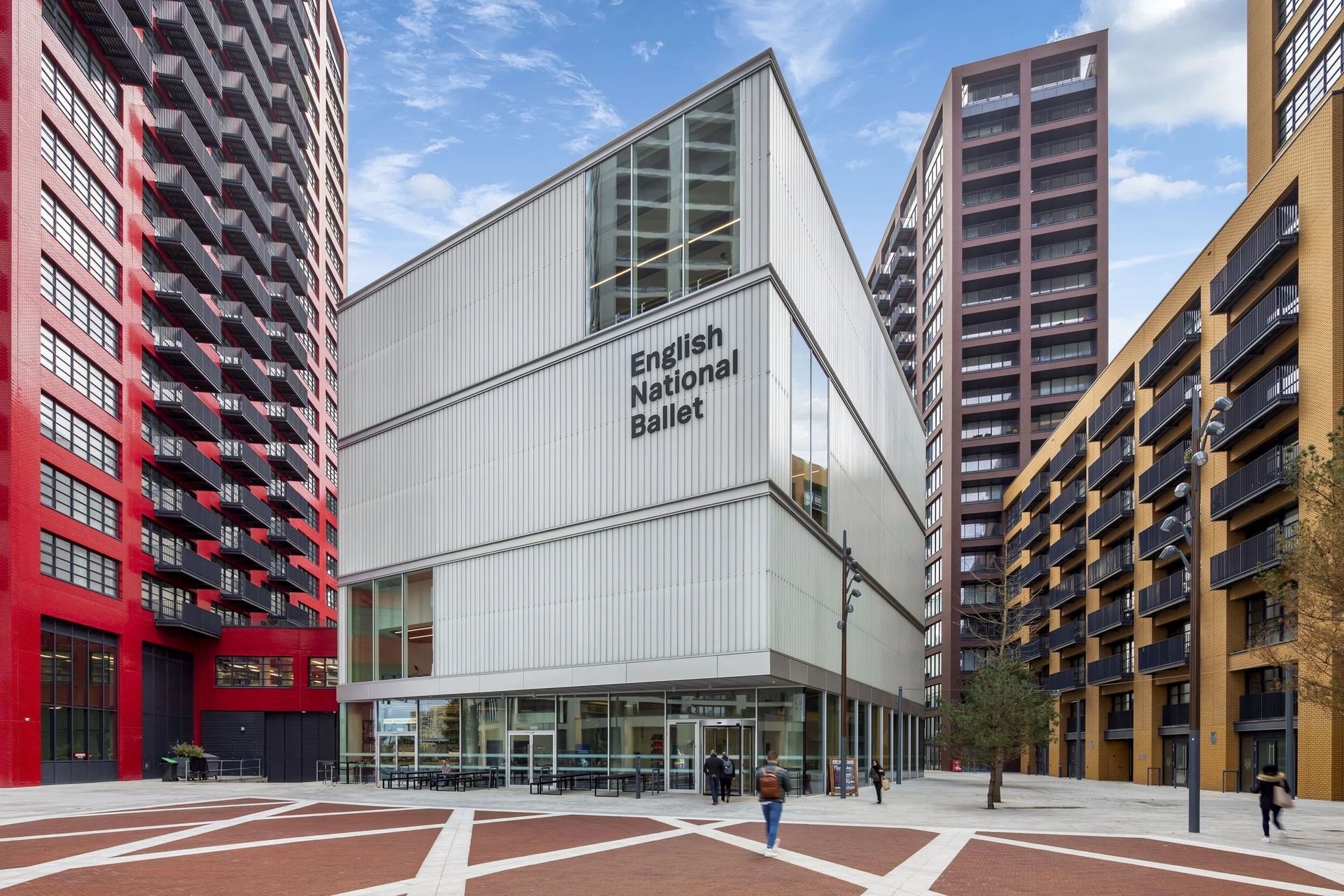
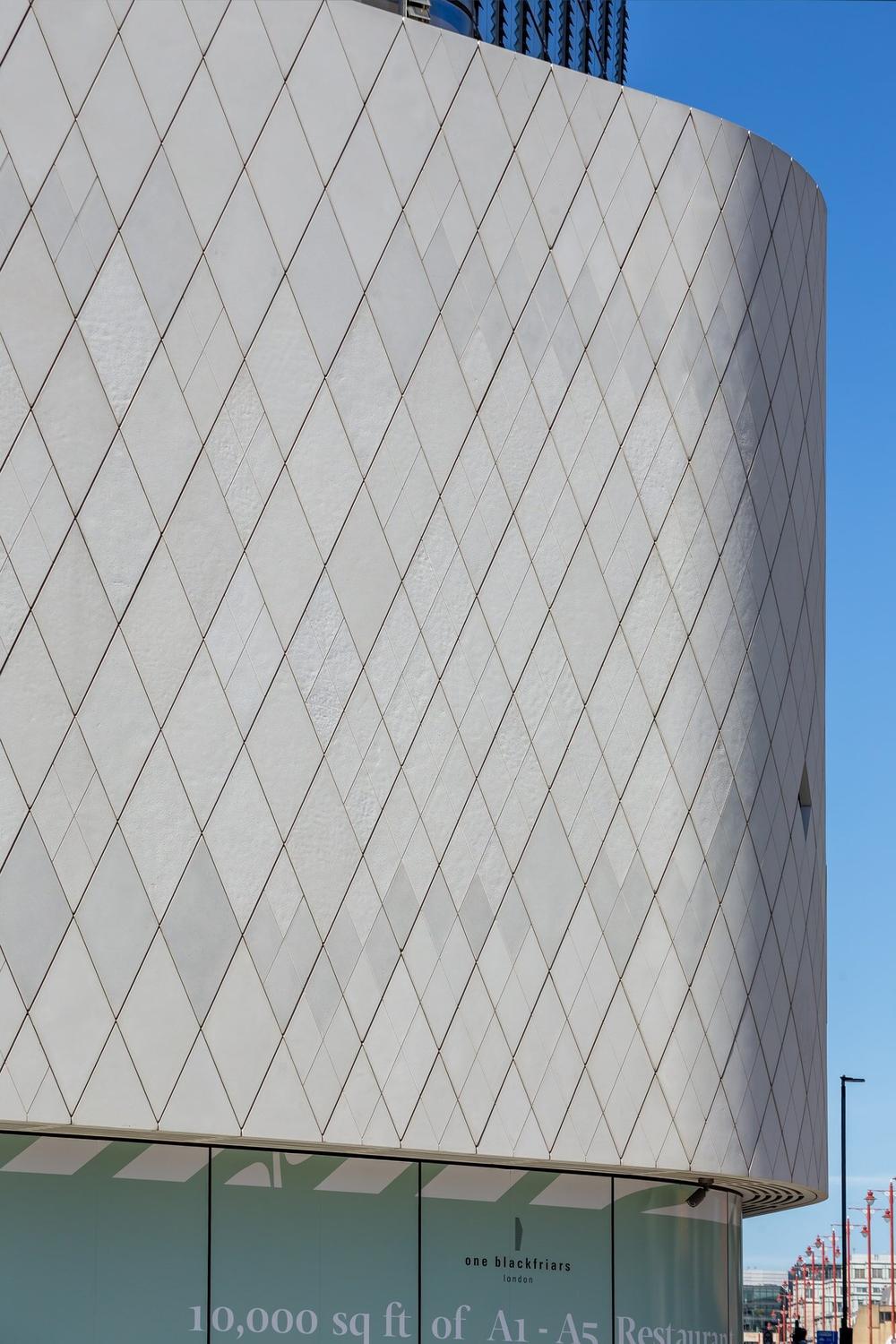
Are the verticals straight? Buildings have parallel lines and the eye knows it. If the sides of a tower lean inward in a photograph, the image reads as a snapshot no matter how nice the light is. That leaning-in effect is called converging verticals, and it happens whenever a camera is tilted upward to fit a tall building into frame. Correcting it properly means shooting level in the first place, usually with a shift lens that moves the optics rather than tilting the whole camera, and then fine-tuning in post. Basic competence in this field, and not every photographer does it: it is worth zooming into a portfolio's tower or facade shots specifically to check.
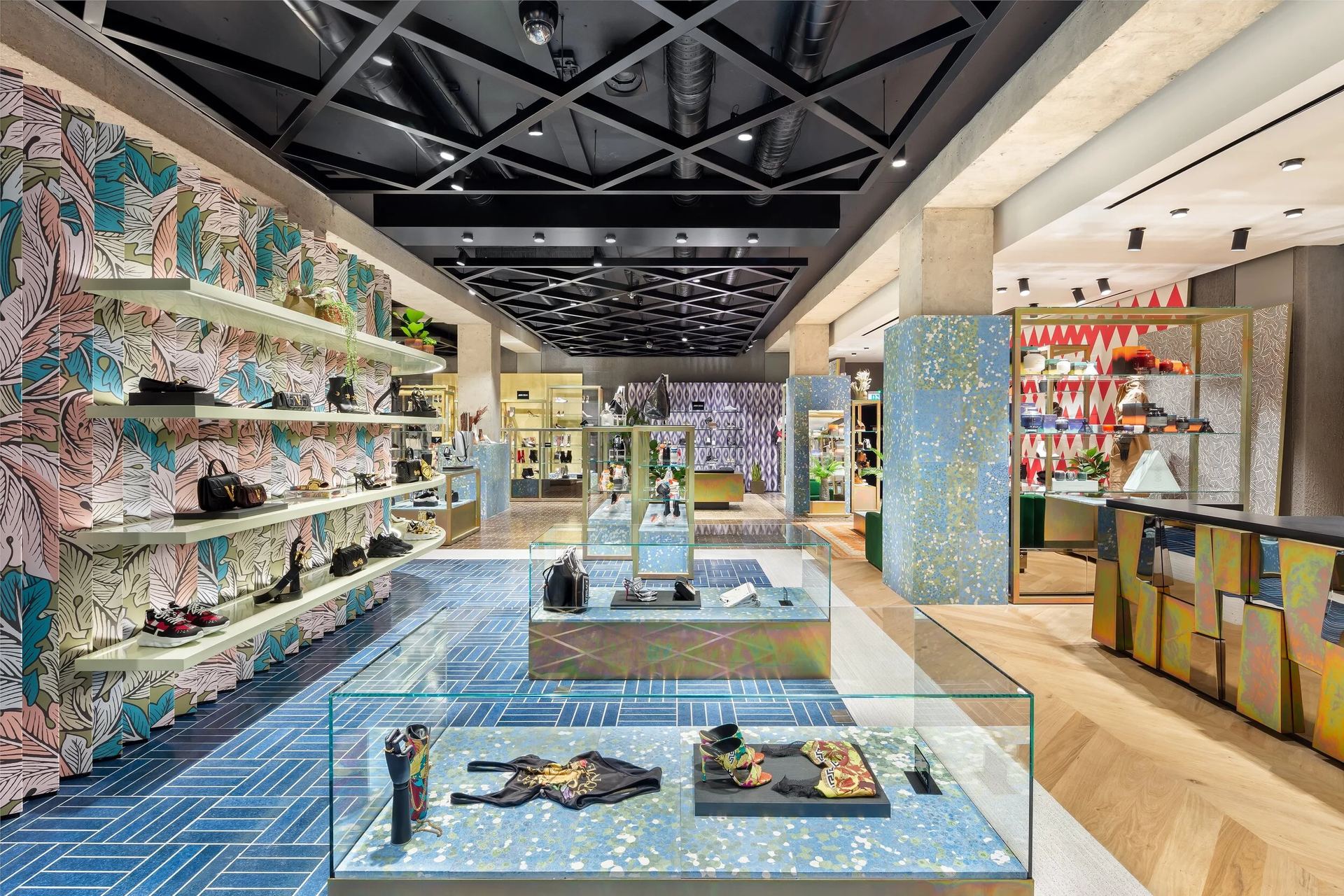
Do interiors hold both the room and the window? The hardest technical problem indoors is the enormous brightness difference between a lit room and daylight outside, often five or six times brighter, which is far more than a single exposure can capture. The usual fix is bracketing several exposures and blending them so the room is properly lit and the view through the glass still has detail rather than a flat white shape. If every interior shot in a portfolio has a blown-out white rectangle where the view should be, that is a photographer who has not solved it, or has not bothered to.
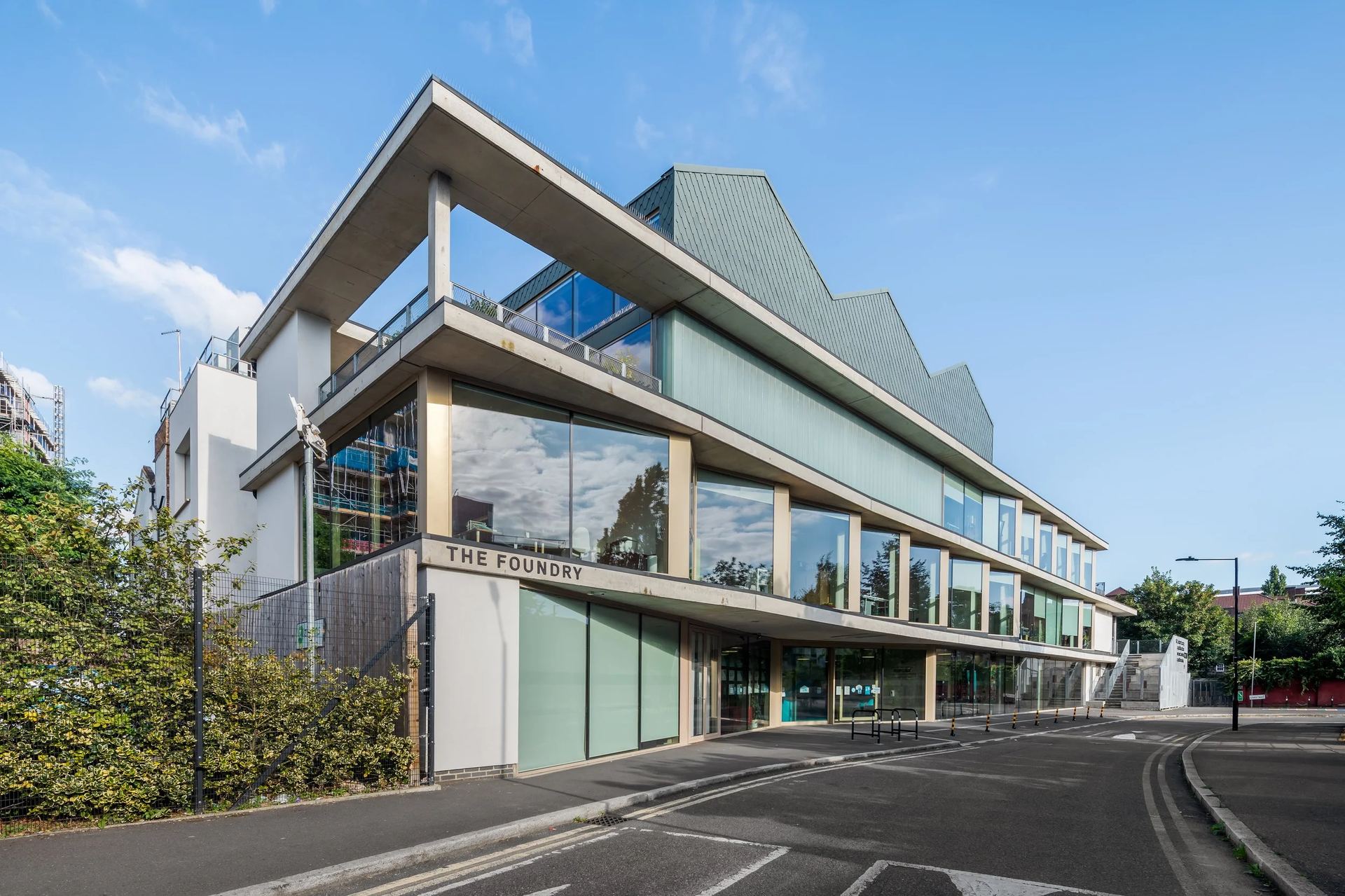
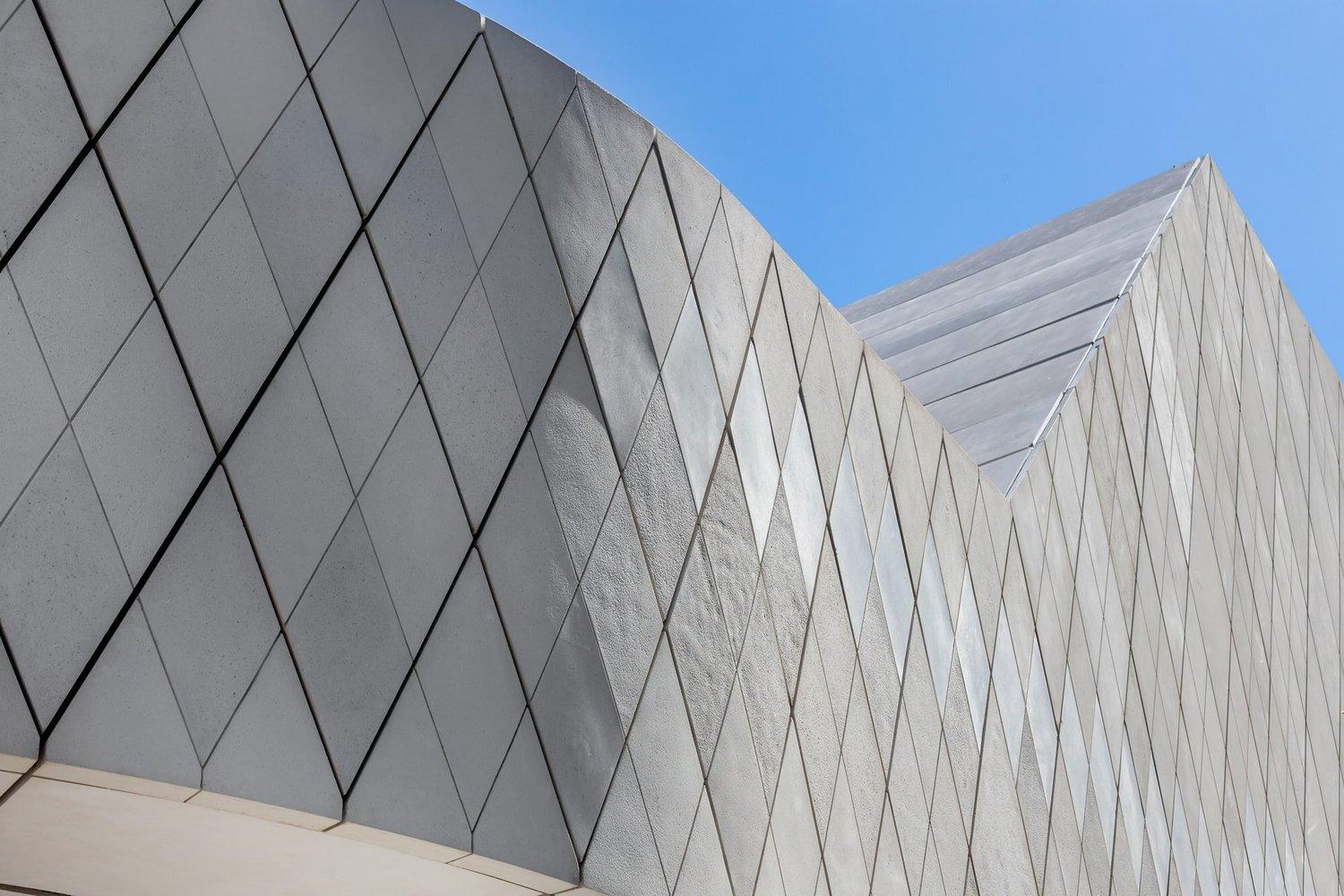
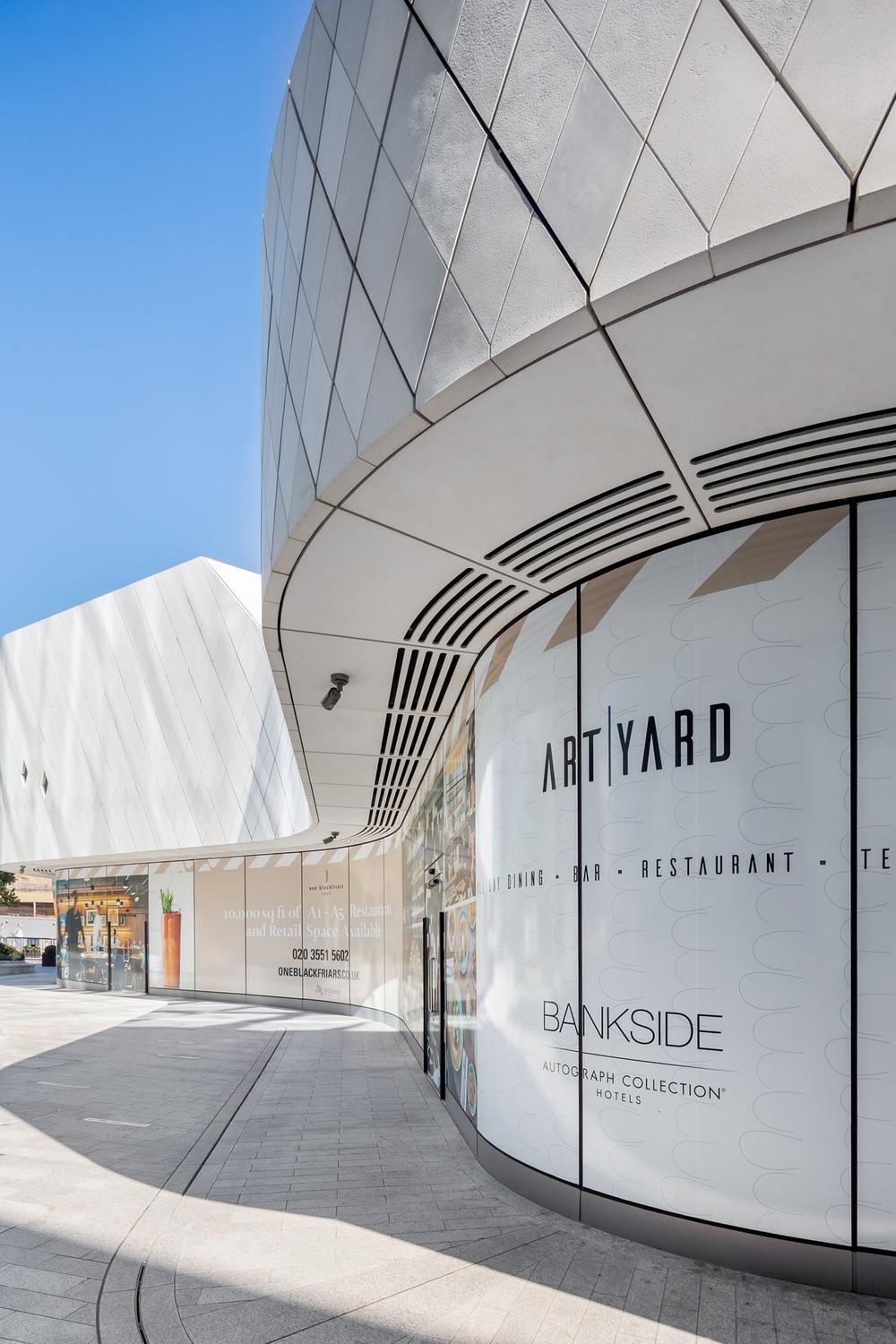
Is there a whole building, or only fragments? Anyone can find one good angle on a sunny day. A specialist can photograph a difficult building on a constrained site, a narrow street, an awkward north-facing plot, a floorplate with no obvious hero view, and still come back with a set that reads as a coherent body of work rather than a single rescued frame surrounded by weaker ones.
Choosing
Look at the whole gallery, not just the best three images
Most portfolios lead with their strongest work, which tells you very little about consistency. Click through to a full project gallery rather than a curated homepage grid, and look at whether the twentieth image holds up to the same standard as the first. A photographer's floor, the weakest frame in a set, is a better indicator of what you will actually receive than their ceiling.
Pay attention to whether colour and exposure feel consistent across a whole set shot in one visit. A gallery where every third image has a slightly different white balance or contrast treatment suggests a rushed or inconsistent workflow, which tends to show up again on your own project.
Choosing
Specialist or generalist
A general commercial photographer can produce lovely images of a building. What they are less likely to have is the specific kit and habits that architectural work needs: shift lenses for perspective, a tripod and spirit level used as a matter of routine rather than occasionally, the patience to wait out light rather than shoot whatever is available, and the instinct for which junction a designer actually cares about.
It also shows in the range of the work. Look for evidence they have handled your kind of project, whether that is a workplace fit-out, a residential scheme, a live construction site, or a listed building, each of which has its own technical problems and its own audience to satisfy.
Choosing
A few red flags worth noticing
Beyond the three main checks, a handful of smaller signs are worth a second look. Skies that are uniformly white or featureless in every exterior, rather than showing some cloud or blue, often mean a photographer is not shooting in a way that preserves highlight detail. Halos or dark rims around window frames and rooflines are a sign of heavy-handed exposure blending done without care. And a portfolio with no published pricing anywhere and no clear answer to a direct question about rates is worth treating cautiously: it usually means the price depends on how the enquiry sounds rather than on a fixed, fair rate.
Choosing
Questions worth asking before you book
Ask how many final retouched images you get and how long they will be on site, because those two numbers are the fee. Ask what retouching is included and what is extra, particularly for anything beyond a light, standard edit. Ask who is allowed to use the images afterwards, which is the licensing question and the one that most often produces a surprise later if it is not settled up front.
And ask whether they will show you a price before a call. A photographer with published rates is easier to compare and less likely to price the job by how well funded it sounds. It is also worth asking how a shoot is planned around weather, since a photographer with no view on that at all is unlikely to be planning around light in any deliberate way.
Common questions
Frequently asked
What should I look for in an architectural photographer?
Check three technical things in the portfolio: that vertical lines in buildings are straight rather than leaning, that interior shots hold detail both in the room and through the windows, and that the work shows complete buildings rather than a few lucky angles. Then ask about image count, time on site, retouching, and licensing.
What is the difference between an architectural photographer and a general photographer?
Mainly equipment and habits. Architectural work uses shift lenses to keep verticals parallel, relies on waiting for the right light, and involves specific post-production such as perspective correction and blending a wide brightness range. A generalist can take a good photograph of a building without those things, but the results are less consistent.
How do I compare architectural photography quotes?
Compare four things rather than the headline price: the number of final retouched images, the hours on site, what retouching is included, and who is licensed to use the images. Quotes that look far apart are often quoting different scopes.
Should I look at a photographer's full gallery or just their highlights?
The full gallery. A curated set of three or four highlight images shows the ceiling of what a photographer can do, but the weakest image in a complete project gallery is a better guide to the consistency you will actually receive.
What are warning signs in an architectural photography portfolio?
Uniformly flat white skies with no detail, visible halos or dark rims around windows and rooflines from heavy-handed exposure blending, leaning verticals in tall buildings, and no willingness to give a clear answer on pricing before a call.
Does it matter if a photographer has shot my type of building before?
It helps. A workplace fit-out, a residential scheme, a live construction site, and a listed building each present different technical problems, so evidence of relevant experience in a portfolio is a reasonable thing to look for, even though the core skills carry across sectors.
Where to next