Journal · Construction
What is construction progress photography, and when do you need it?
Progress photography is the record of a build as it happens: proof of the standard of work, evidence if something is disputed, and marketing material you cannot recreate later.
Construction
Three reasons it gets commissioned
The record. Once the plasterboard goes on, the services behind it are invisible for the life of the building. A documented first fix, the cable runs, the pipework, the structural connections, is worth a great deal later, whether that is for facilities management, a future refit, or simply knowing what is actually behind a wall before anyone drills into it.
The evidence. If quality or sequence is ever disputed, dated photographs of the work as it was built are the cheapest form of insurance a contractor can buy. A photograph with a clear date and a recognisable, repeated camera position is far more useful as evidence than an undated snapshot on someone's phone, because it can be placed precisely in the programme.
The marketing. A finished building only shows the finished building. The crane over the skyline, the facade going on, the trades at work: those images tell the story of delivery, and they cannot be recreated once the hoarding comes down. For a contractor bidding on the next job, a documented build is proof of process, not just of outcome.
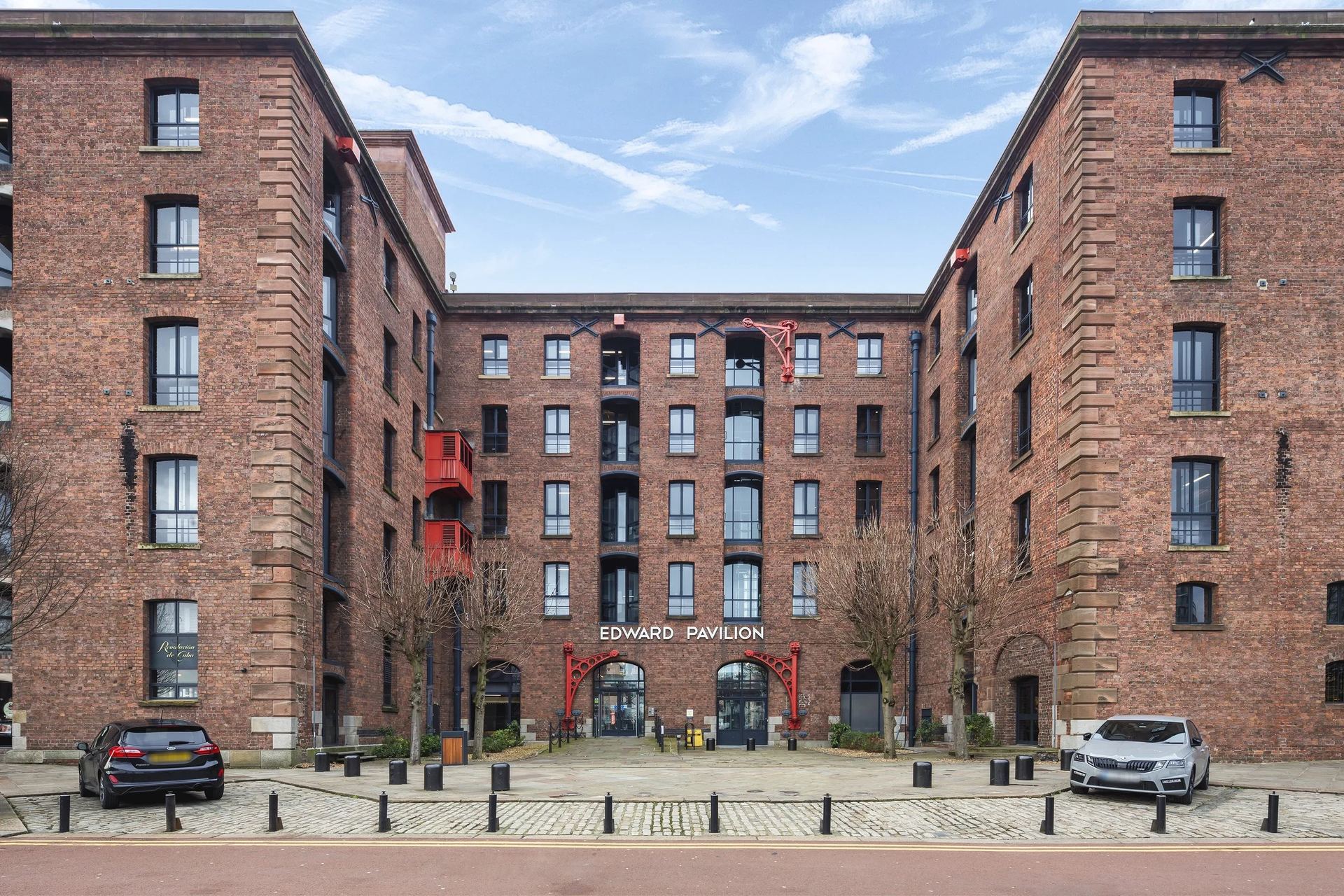
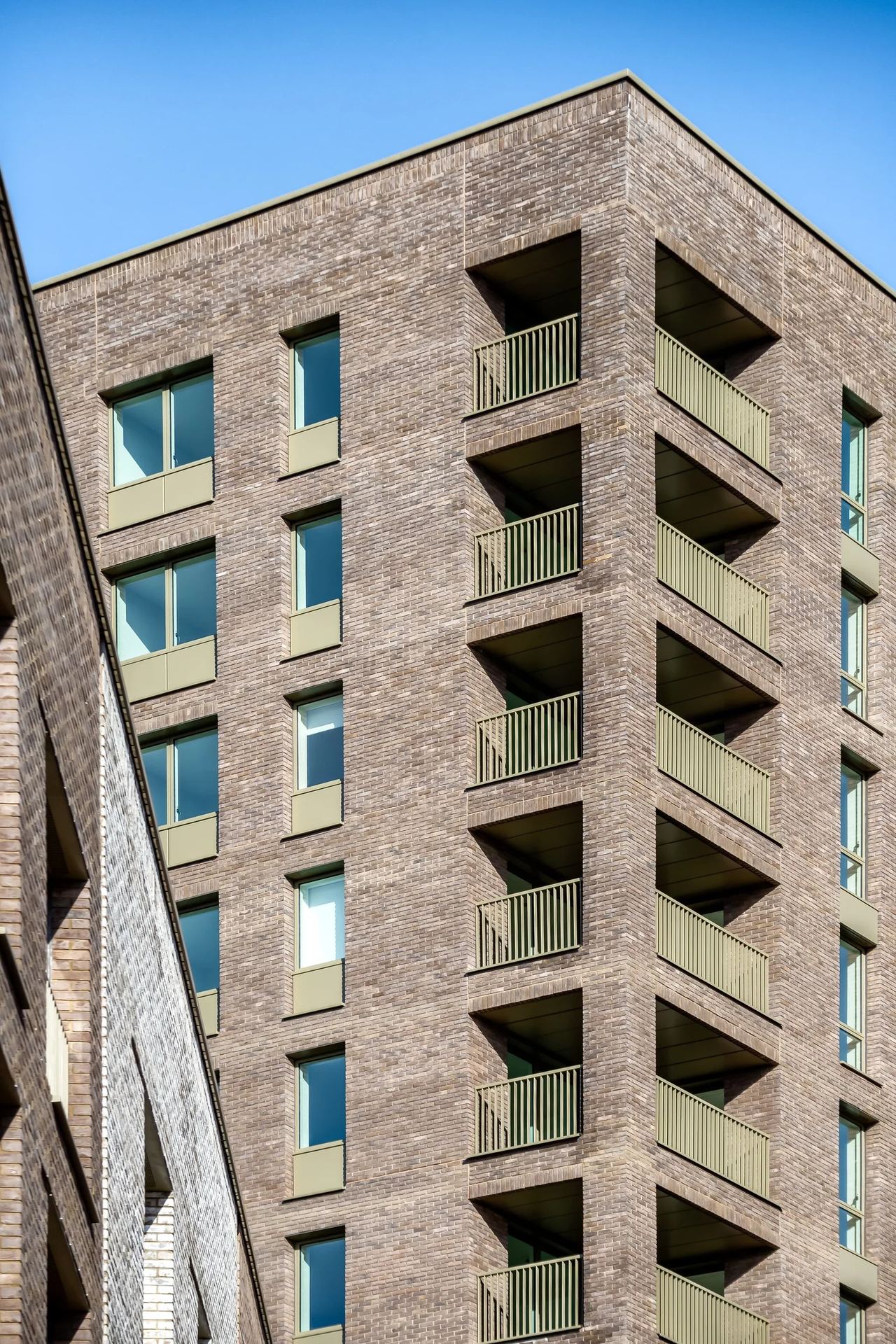
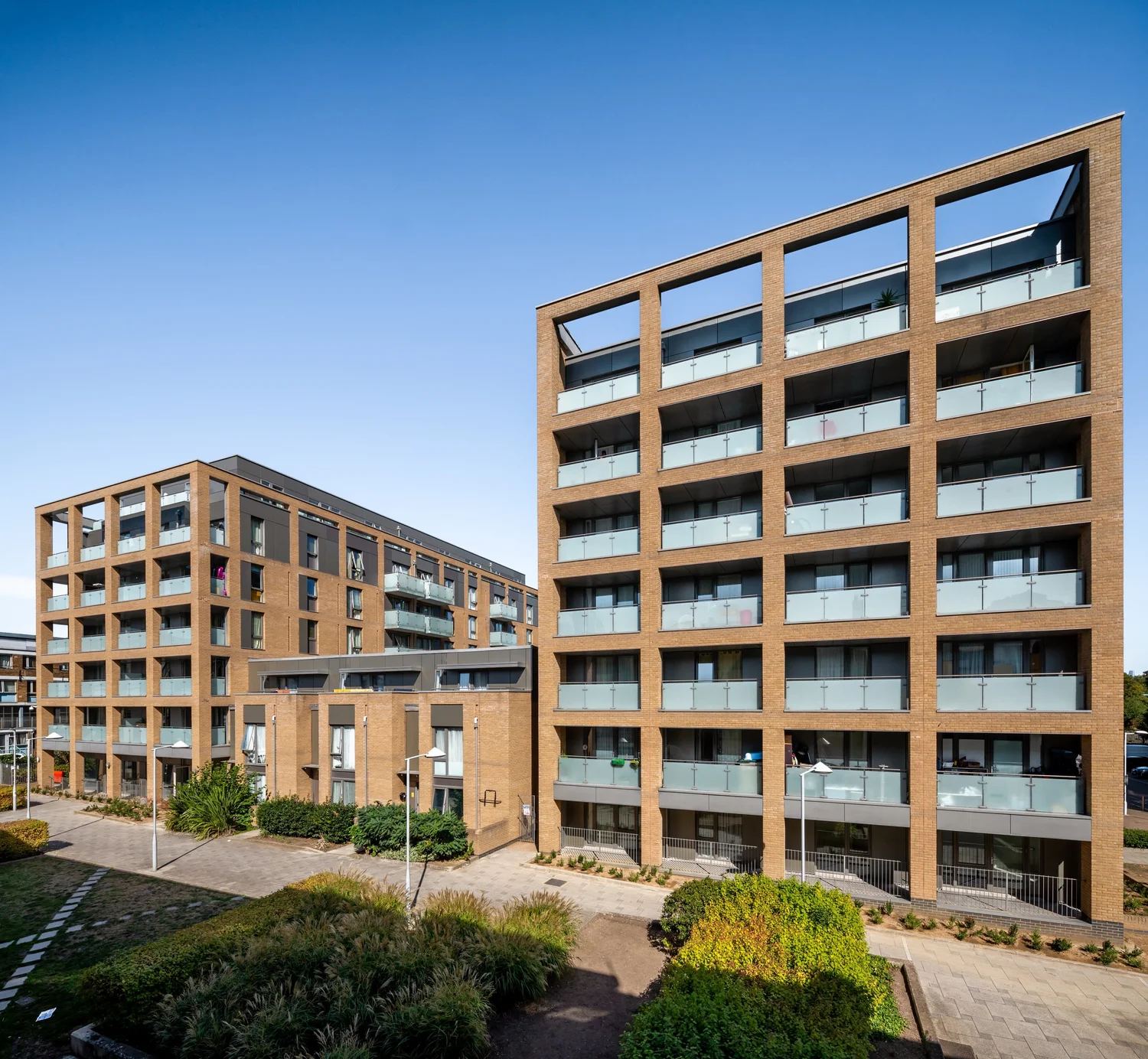
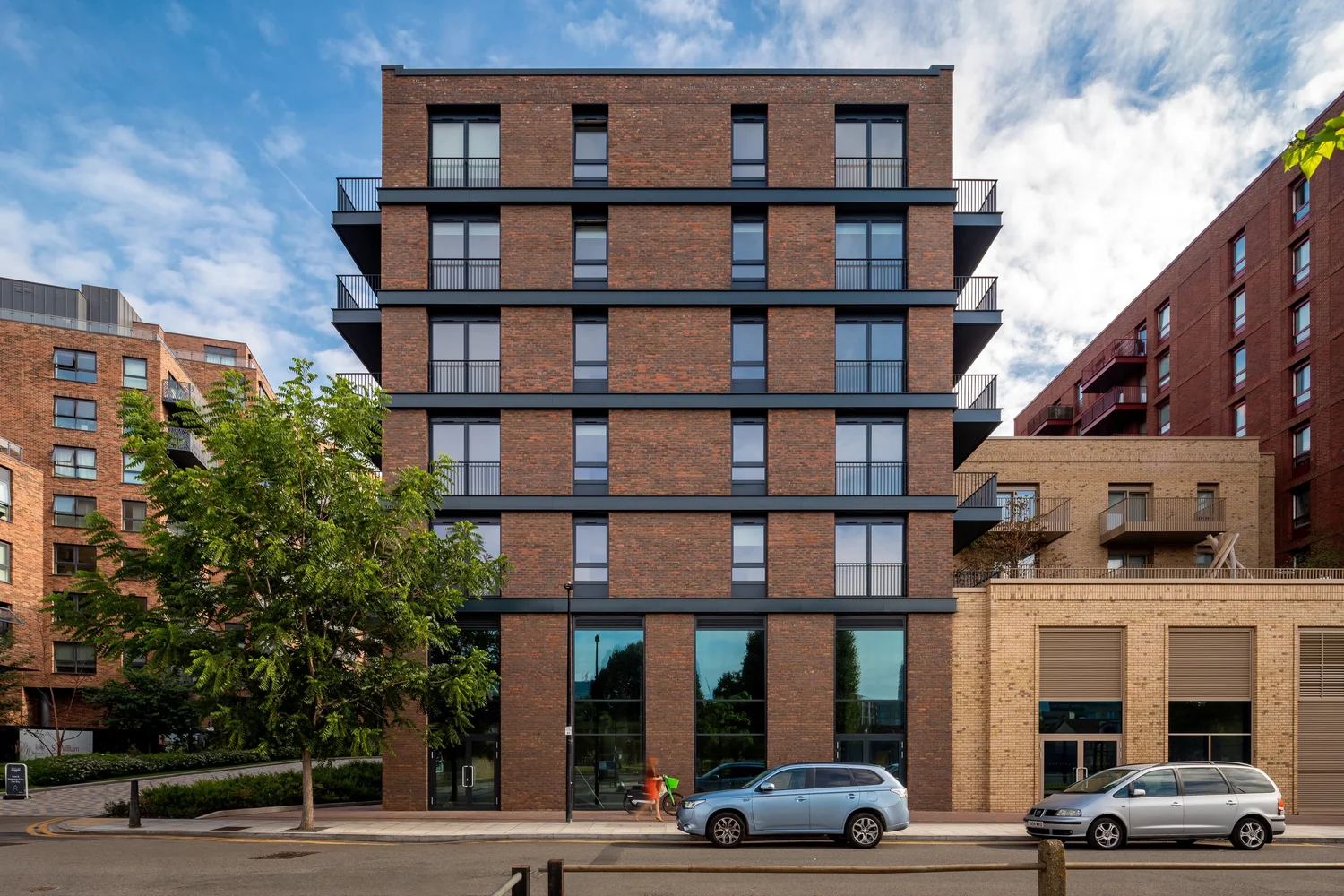
Construction
Fixed points, repeated
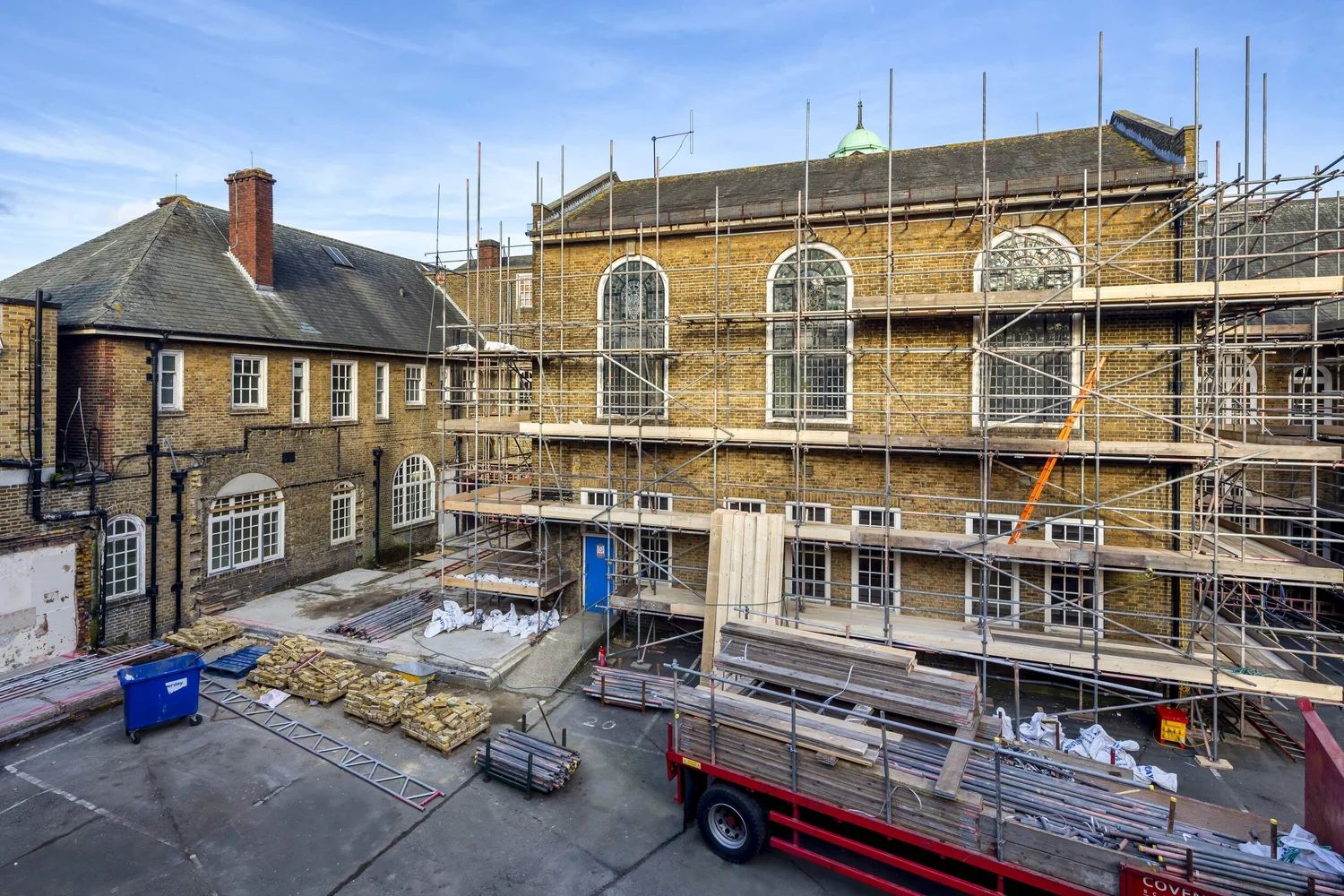
The most useful progress sets are shot from the same handful of positions every visit. The same corner of the site, the same elevation, the same floor, month after month, ideally with the same lens and roughly the same camera height each time, since a change in focal length or position between visits makes a sequence far harder to read side by side. The sequence becomes readable, and at the end it cuts together into a genuine record of the programme rather than an assortment of site photos.
Agree those positions on the first visit and note them precisely, ideally with a marked spot or a reference point in view that survives the whole build. Consistency is worth more than variety here: a slightly less interesting angle repeated faithfully every month beats a more dramatic one that only gets shot once.
Construction
What a typical visit covers
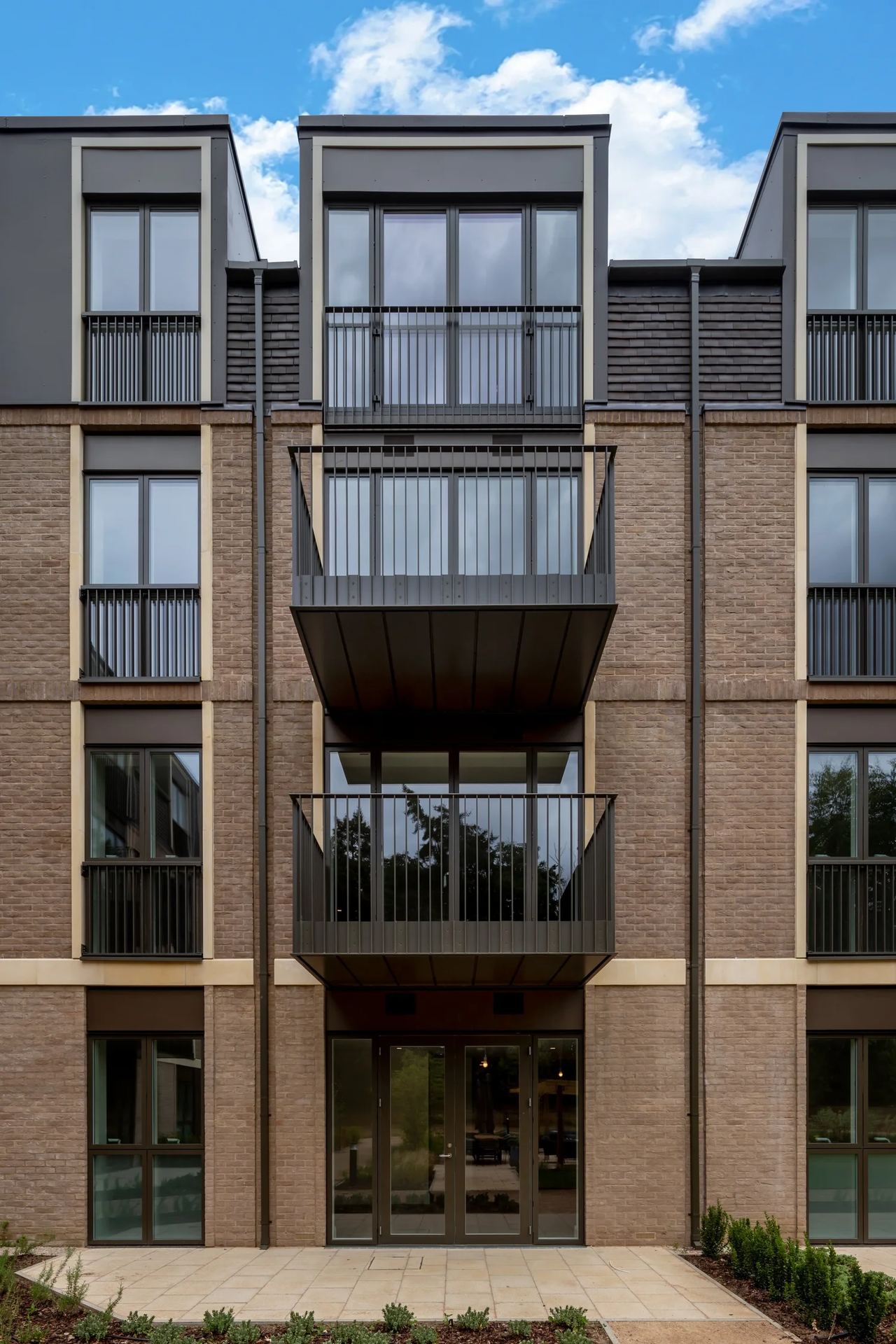
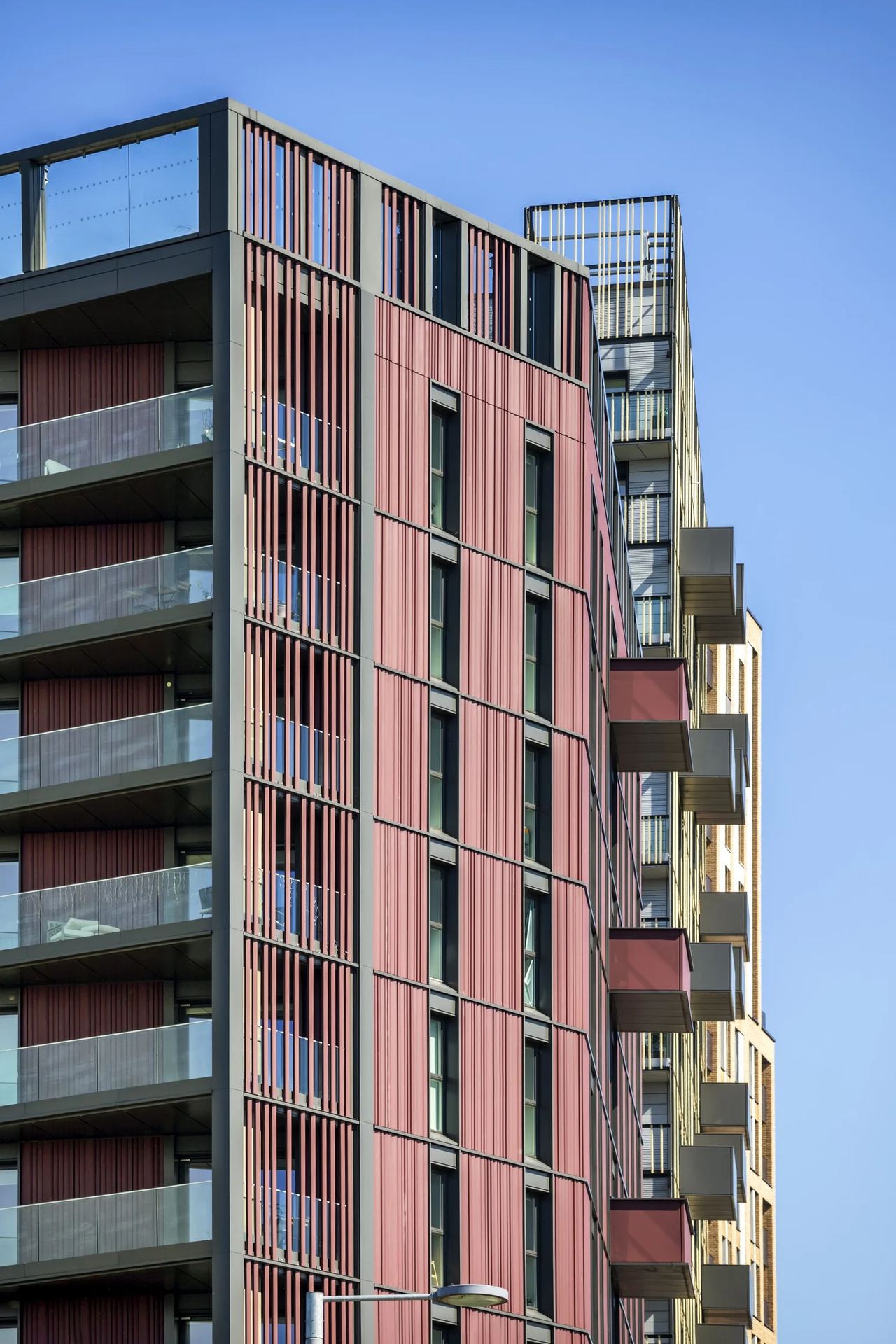
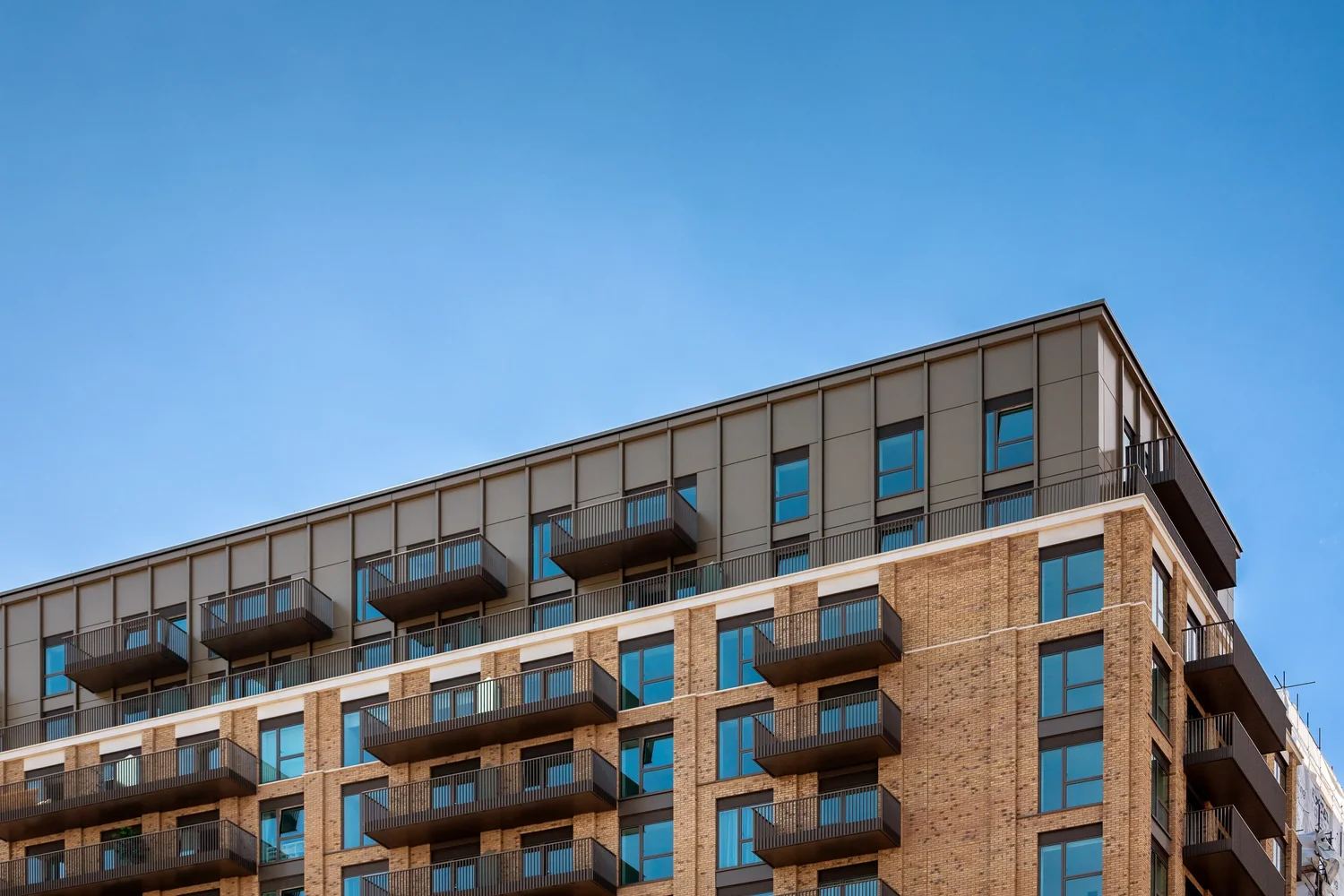
Beyond the fixed reference shots, most visits also cover whatever is distinctive about the programme at that point: the trade doing the most visible work that month, a structural milestone such as topping out, the facade going up bay by bay, or the crane still on site against the skyline before it comes down for good. Those milestone shots do not repeat from visit to visit in the way the fixed points do, but they are often the images that end up used in press releases and case studies later.
It is worth logging, even informally, roughly what each visit is meant to capture before arriving on site, since a live build changes fast and a visit planned around last month's priorities can miss what is actually worth documenting this time.
Construction
Working safely around a live programme
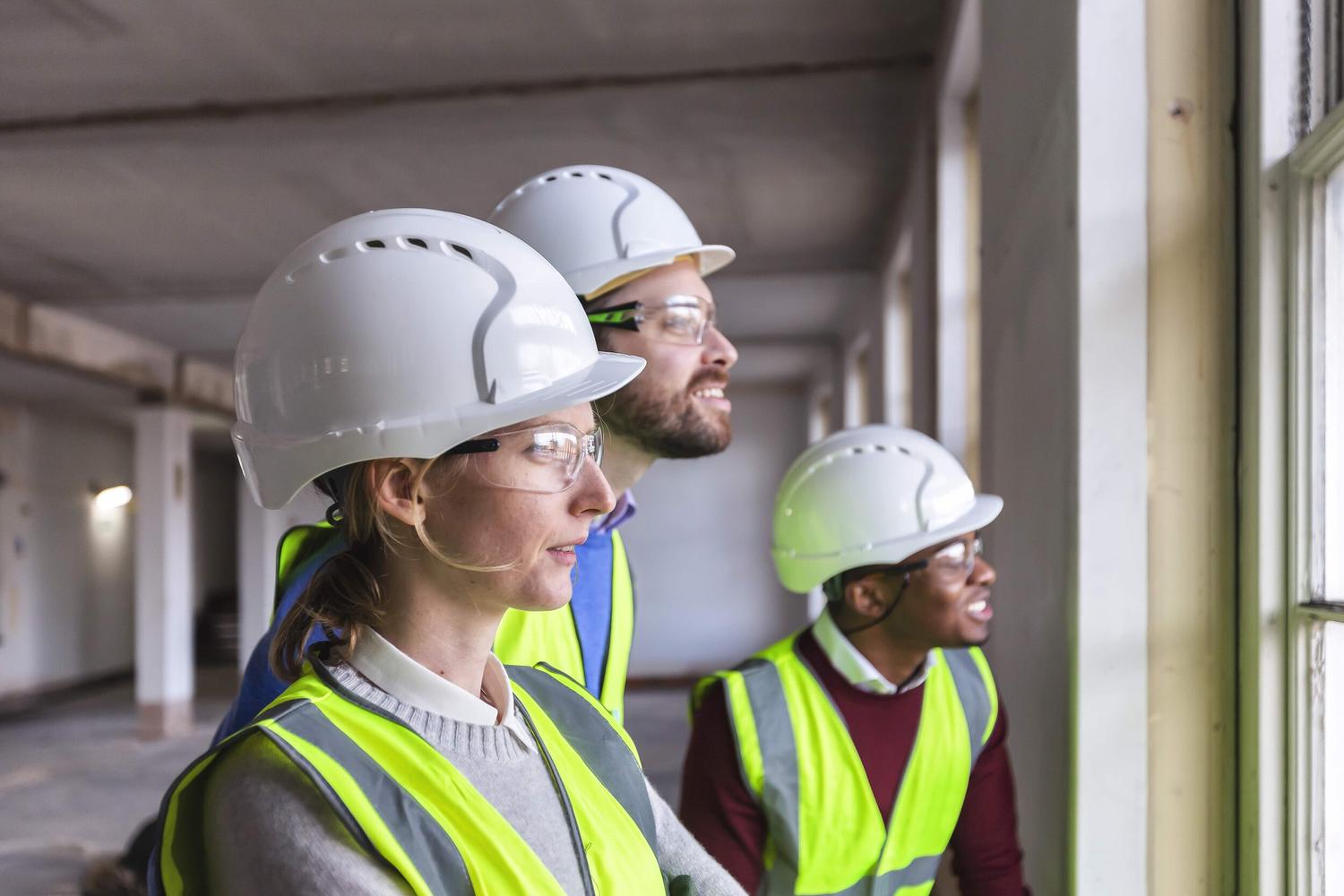
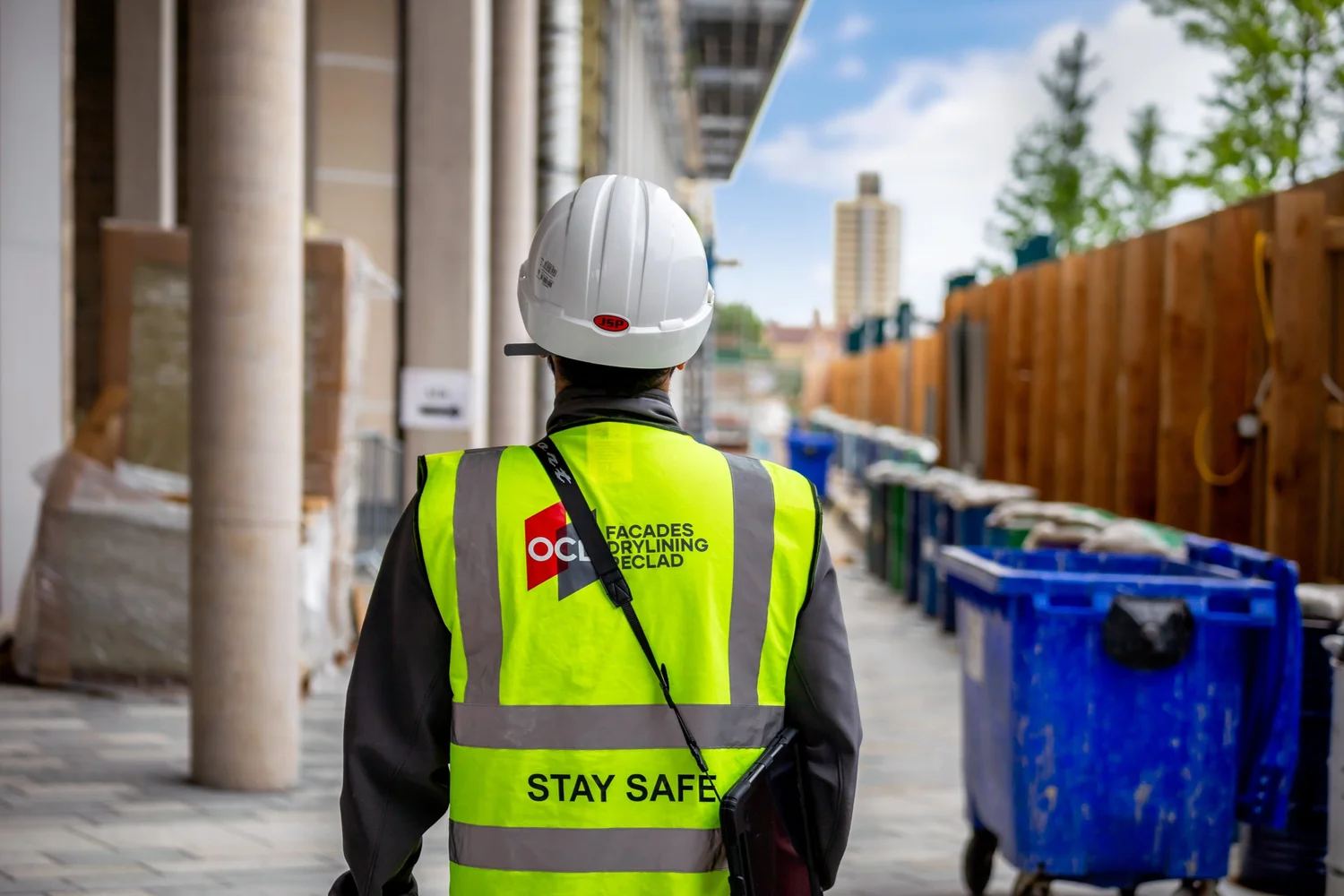
A site photographer who slows the job down is a problem, not an asset. That means full PPE, site rules and inductions followed, and planning around the trades rather than through them.
It also means knowing what is worth photographing: the people actually doing the work usually make the strongest images, and they need to be photographed without becoming a distraction on a working site.
Construction
Turning a progress set into a completion story
The real payoff of a consistent progress record shows up at the end of the programme, when the completion shoot can be paired with the same fixed positions from months earlier for a genuine before-and-after story, rather than a generic finished-building set with nothing to compare it against. That pairing is one of the strongest assets a contractor can hand to a marketing team or an awards entry, because it demonstrates delivery rather than just asserting it.
Buildings with a live construction programme worth documenting are exactly the cases where booking progress photography from an early stage, rather than deciding to start partway through, pays off most, since the earliest visits are the ones that cannot be recreated once the work has moved on.
Common questions
Frequently asked
What is construction progress photography?
Photography of a building under construction, usually at intervals through the programme, recording the state of the works. It is used as a build record, as evidence if quality or sequence is disputed, and as marketing material showing delivery.
How often should progress photography be taken?
It depends on the programme, but monthly visits from a fixed set of camera positions is a common pattern, with additional visits around key milestones such as topping out, facade installation, or first fix before it is covered up.
Do you need site accreditation to photograph a construction site?
You need full PPE and to work to that site's rules and inductions. Share any specific accreditation or induction requirements when booking so they can be arranged before the visit.
Can construction photography be used for marketing?
Yes, and it is often the strongest marketing a contractor has, because it shows delivery rather than just the finished result. Those images cannot be recreated once the building is complete.
Why does the camera position need to stay the same between visits?
Because a progress sequence is only as readable as it is consistent. Changing the lens, height, or angle between visits makes it much harder to compare one month against the next, so the fixed positions are usually agreed and noted on the very first visit.
Can progress photography be turned into a before-and-after for completion?
Yes, and it is one of the strongest uses of a consistent progress record. Pairing the same fixed camera positions from early in the build with a completion shoot creates a genuine before-and-after story that a generic finished-building set cannot provide on its own.
Where to next