Journal · Preparation
How do you prepare a building for a photoshoot?
An hour of preparation reliably buys more good frames than an extra hour of shooting. Most of it is unglamorous: clearing, cleaning, and deciding who can move things.
Preparation
Clear the frame
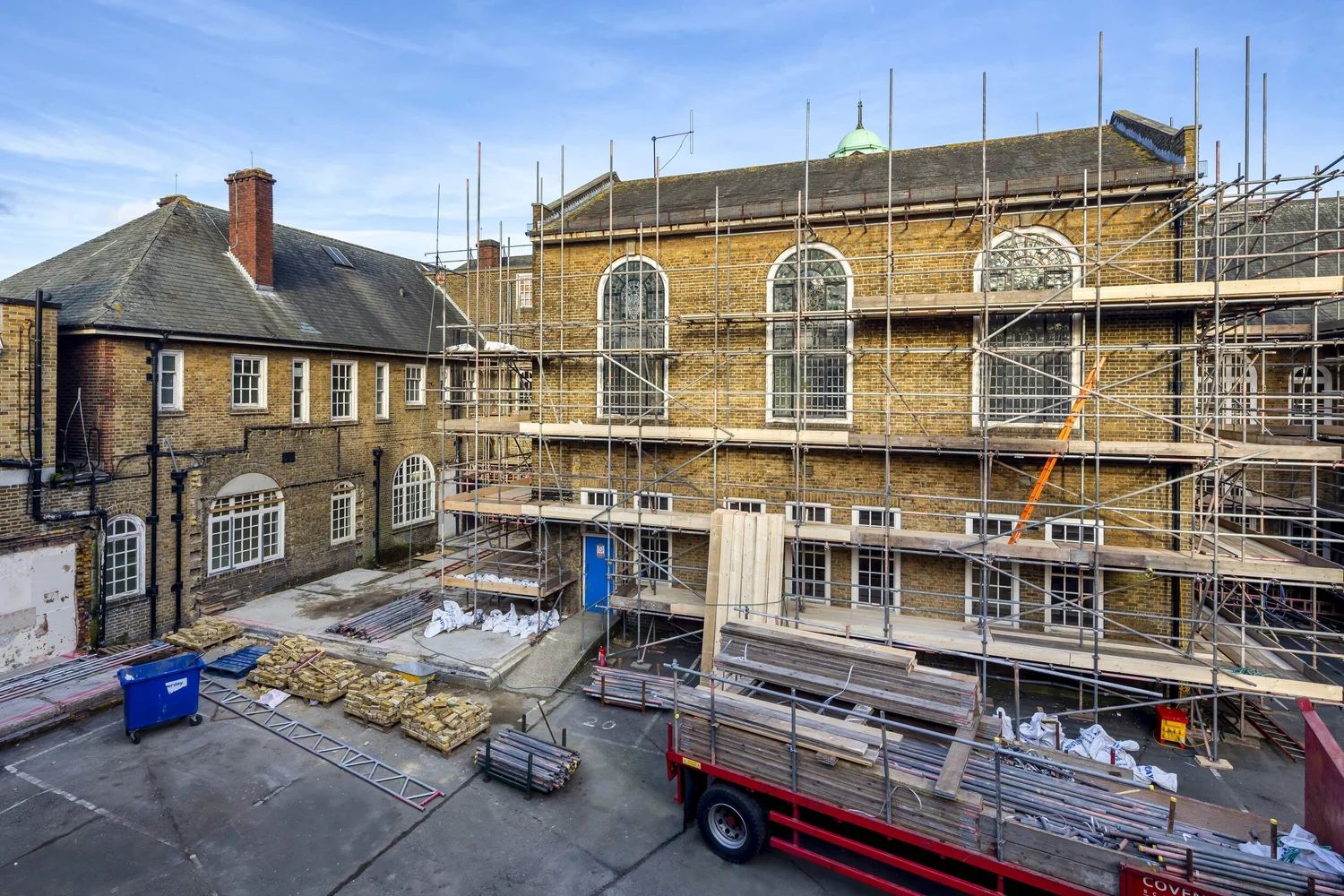
The single biggest time cost on a shoot day is moving things that could have been moved beforehand. Skips, site vehicles, cones, loose materials, wheelie bins, and A-boards all have a way of parking themselves in front of the best angle, usually the one where the verticals line up cleanest and the building reads at its best.
Where it is safe and practical, clear the immediate area of the building before the photographer arrives. Anything left in shot either costs shoot time to move on the day, which eats into the hours the fee is based on, or retouching time to remove afterwards, and retouching beyond the light editing included in a package is billable.
Preparation
Clean the things that photograph badly
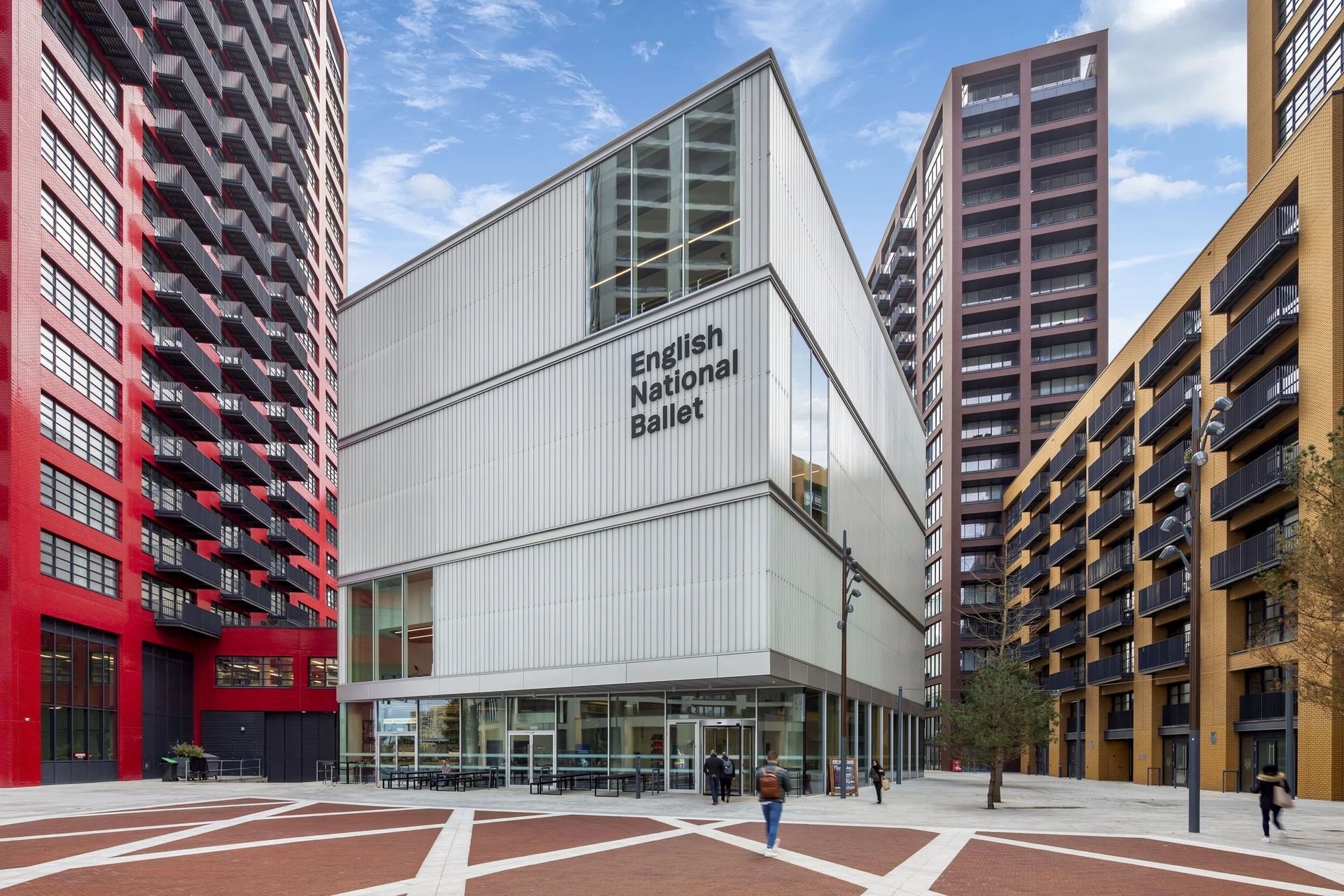
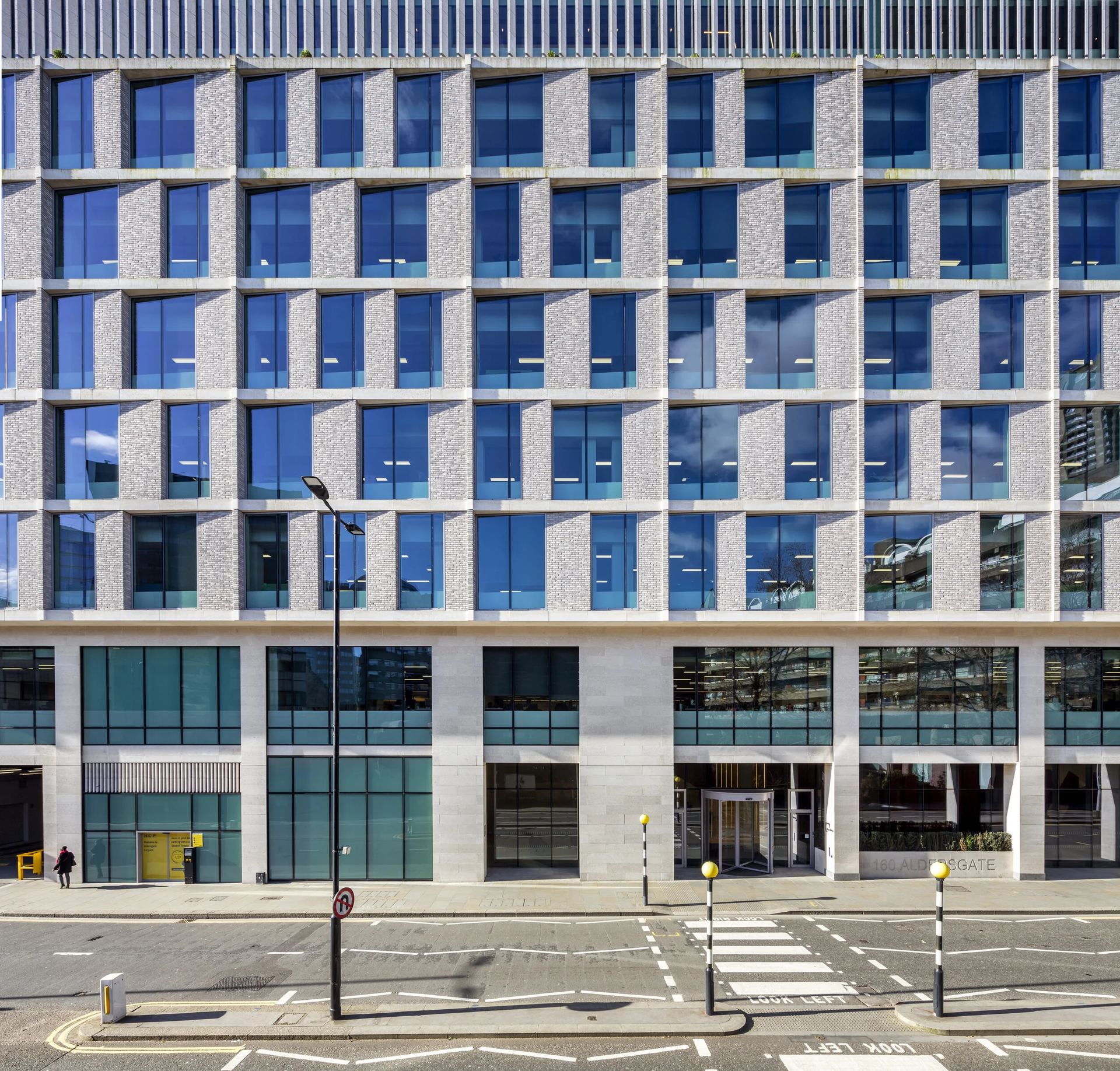
Glass shows everything. So do polished floors, brushed metal, and glossy worktops. A quick clean of the glazing at eye level and the entrance area is worth a surprising amount, because smears and fingerprints are laborious to remove afterwards, frame by frame, in a way that a five minute wipe-down never was.
Indoors, check the small stuff: cables trailing across desks, fire extinguishers in sightlines, mismatched chairs, blinds at different heights. Blinds in particular. A row of windows with the blinds set at five different heights ruins an otherwise good frame and takes two minutes to fix in advance, compared with a much longer job correcting each one individually in post.
Preparation
Nominate one person, and sort access early
Have one point of contact on site who can open a door, move a vehicle, switch lights on and off, and make a decision without convening a meeting. This is the highest-value preparation on the list, because almost every delay on a shoot day comes down to needing a decision or an action from someone who is not actually there.
And arrange access before the day: passes, inductions, permits, security and reception expecting a photographer. Turning up to a locked riser or an unbooked induction is the most avoidable way to lose an hour, and on a tightly booked shoot an hour lost at the start is an hour that comes straight out of the shot list.
Preparation
Have a plan for the light either way
Preparation is not only about clutter. It is worth knowing, before the day, what the backup plan is if the weather does not cooperate: whether interiors can be prioritised over exteriors if the sky turns, whether blinds and interior lighting are set up ready to go regardless of what happens outside, and whether there is any flexibility at all to move the date if the forecast turns out genuinely poor.
A shoot with a contingency built in rarely wastes the time on site even when conditions are not ideal, whereas a shoot planned only around one perfect-weather scenario can leave everyone standing around waiting for a sky that never arrives.
Preparation
Say what you want highlighted
A photographer will find the obvious shots without being told. What they cannot know is which junction the designer agonised over, which material was the hardest to get signed off, or which view the client always asks about.
Name those in advance. It is the difference between a competent set and one that makes the people who built the thing feel it was understood.
Preparation
A short checklist for the week before
In summary, the things worth confirming in the days before a shoot: the immediate area is clear of skips, vehicles, and loose materials where safe to move them; glazing, floors, and any reflective surfaces near the main shots are clean; indoor blinds and lighting are set consistently; access, passes, and inductions are arranged with security and reception already expecting a photographer; one nominated point of contact is confirmed for the day itself; and the priority views and any signature details have been named in the brief rather than left for the photographer to guess.
Common questions
Frequently asked
How do I prepare a building for an architectural photoshoot?
Clear skips, vehicles, bins, and loose materials from around the building where safe, clean the glazing and entrance, tidy cables and align blinds indoors, arrange access and passes in advance, and nominate one person on site who can move things and make decisions.
What ruins architectural photographs most often?
Clutter in the frame, dirty glass, and blinds set at different heights across a row of windows. All three are quick to fix beforehand and slow to fix afterwards.
Who should be on site during a photoshoot?
One nominated point of contact who can open doors, move a vehicle, control lighting, and make decisions without needing to consult a group. It saves more shoot time than anything else on the list.
What happens if the weather is bad on the day of a shoot?
Ideally there is a contingency agreed beforehand: prioritising interiors if the sky turns, having interior lighting and blinds set up regardless of outside conditions, and knowing in advance whether there is any flexibility to move the date if the forecast is genuinely poor.
How far in advance should site access be arranged?
Before the shoot day itself. Passes, inductions, and permits arranged with security and reception in advance avoid losing shoot time to a locked riser or an unbooked induction, which is one of the most avoidable delays on any visit.
Where to next