Journal · Interiors
How do you hire an interior design photographer?
Most interior designers book an architectural or interiors photographer once the scheme is installed and styled, and before the client moves in or the space opens. My rate for that is £700 for up to 20 final retouched images with up to 3 hours on site, or £1,200 for up to 40 with up to 6 hours, and the cost can be shared with the architect or contractor through an extended licence at 30% of the invoice for each extra company.
Interiors
Hiring a photographer or shooting it yourself
Plenty of designers photograph their own projects on a phone, and for progress posts on Instagram or a quick update to a client that is perfectly reasonable. Where it starts to fall short is the finished set that goes on your website, into an awards entry or out to a magazine, because those images get looked at closely and compared with other studios' work.
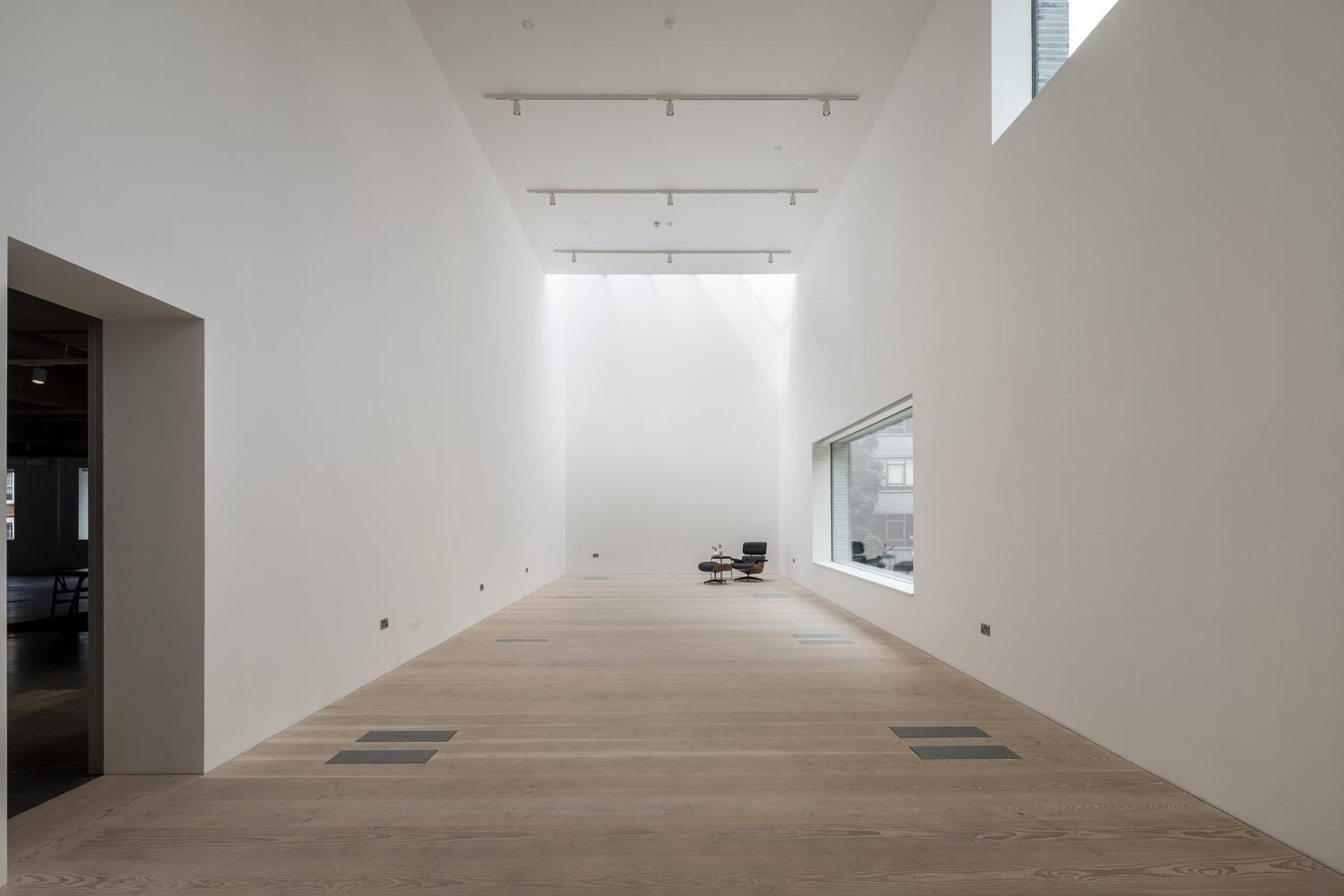
The difference is mostly technical. An interior is lit by a mix of daylight through the windows and the fittings in the ceiling, and a camera cannot hold a bright window and a darker room in one frame the way your eye can. I work from a level camera with a shift lens so walls and joinery run straight up the frame, take several exposures of each setup and blend them afterwards, so the room and the view outside are both right and the materials look like the samples you chose. Leaning verticals and white windows are usually what give a home-made set away.
So it depends on what the pictures are for. If the project will sit on your homepage for a few years or go in front of judges, it is worth having it photographed properly.
Interiors
What to ask a photographer for
Quotes vary a lot in what they include, so it helps to ask everyone the same four things.
How many finished images. On my rates it is 20 images for £700 and 40 for £1,200, chosen by you from a contact sheet, and extra images are £50 each.
How long they will be on site. Up to 3 hours or up to 6 hours in my case. A considered interior frame often takes thirty to forty minutes once furniture has been moved, the camera levelled and the light balanced, so the time on site decides how many rooms you can realistically cover.
What retouching is included. Exposure blending, straight verticals, colour balanced to the real materials and small clean-ups are part of every image I deliver. Removing things that could not be moved on the day is heavier work and is charged at £50 an hour.
Who can use the images. This matters more for designers than most clients, as the section on sharing the cost explains.
It is also worth asking to see a full gallery from one interior project as well as their best single frames. The rates and licensing page sets all of my terms out in one place.


Interiors
Styling, and who dresses the room
Styling is usually the part designers care about most. A dressed room photographs far better than an empty one, and it tends to work best when you or your team do the dressing, because you know which cushions, books, flowers and objects belong to the design and which are just filling space.
What I do on the day is the fine adjustment for the camera. A chair that looks right when you walk in can hide a joinery line from the camera position, a throw might need folding differently, or a vase may need to move a few inches so it does not sit on top of a door handle in the frame. A bigger job, such as restyling a whole room, comes out of the hours on site whether you, your stylist or I do it, so it is worth having the rooms finished before I arrive.
Interiors
Before the client moves in, or after
For most residential projects the best window is after the installation and snagging are done and before the client moves their own things in. The rooms are complete, nothing has been scuffed yet and you control what is on show. A commercial interior such as a shop, restaurant or office works the same way, after the last trade leaves and before opening day or before the staff arrive.
The downside is that a house photographed the week before move-in can feel a little bare, especially if the client's art and furniture were part of the design. Some designers prefer to go back a few weeks after the client has settled, once the pictures are hung. That can work well, but it needs the client's agreement, it means clearing their personal things out of frame, and you have less say over what is in the room.
Whichever you choose, put a provisional date in as soon as the programme firms up, because install dates slip and moving a provisional booking by a week is easy. Overcast days are fine for interiors, since soft light fills a room evenly.


Interiors
Sharing the shoot and the cost
Most interior projects have more than one company who would like the photographs. The architect may want them for their portfolio, the contractor or joiner for their website, and a kitchen or lighting supplier for a brochure. The usual way to handle it is for one company to commission the shoot and the others to take an extended licence.
On my rates the extended licence adds 30% of the invoice for each extra company, and it is arranged before the main client is invoiced. A full day at £1,200 shared with the architect comes to £1,560 on one invoice, or £780 each if you split it evenly. A half day at £700 shared with the architect and the main contractor comes to £1,120. Whoever books is billed in full, splits the cost with the others however you agree between you, and keeps the artistic direction of the shoot.
If your client is a business that wants to use the images in its own marketing, a restaurant or an office tenant for example, it counts as another party in the same way. Licensing asked for after the invoice can still be arranged, though without the shared-cost rate. Copyright and what a licence covers are explained in who owns architectural photographs, and who can use them.
Interiors
What a typical interior set looks like
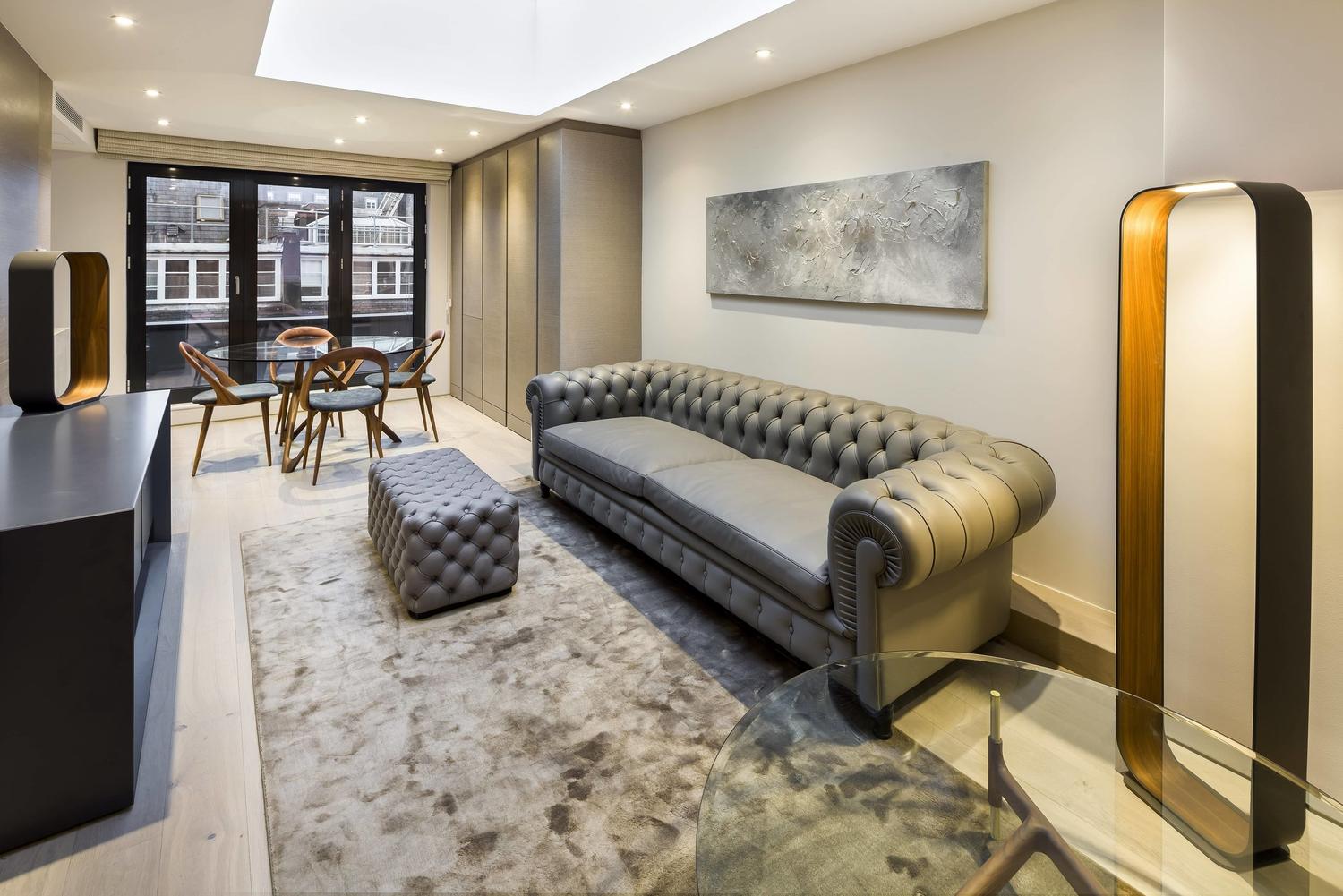
For a house or apartment the set usually starts with a wide of each principal room, then the kitchen and bathrooms, then the details that show the quality of the work, such as joinery, ironmongery, stone, a lighting detail or the place where two materials meet. The Hadley Wood residence, for example, was photographed on completion across the principal rooms, kitchen, bathrooms and exterior in natural light.
A commercial interior follows the same logic with different rooms: the arrival or reception, the main spaces, the smaller rooms that show the range of the design, and the fitted and branded details. For Co-Work London that meant the lounges, focus rooms and meeting spaces on its coworking floors, along with the fit-out and branding details. Restaurants and bars are normally shot in the hour before service.
As a guide to size, three or four connected rooms with a few setups each fit comfortably in the £700 half day, and more rooms than that generally means the £1,200 full day. There is more on matching the number of images to the purpose in how many images you need from a shoot.
Interiors
How booking works
A 50% deposit, cleared at least 5 days before the shoot, secures the date. After the shoot you get a PDF contact sheet of every frame that made it past the cull, you pick your 20 or 40, and the other 50% is due at that point. Travel within London Zones 1 to 4 is included. If you have a finished project you would like photographed, send me the address and what the photographs are for and I will come back with dates and a fixed price.
Common questions
Frequently asked
What is interior design photography?
It is photography of a finished interior scheme for the designer's website, portfolio, awards entries and press. It is shot with straight verticals, blended exposures and colour matched to the real materials, so the rooms look the way the design was intended.
How much does an interior design photographer cost in London?
My rates are £700 for up to 20 final retouched images with up to 3 hours on site, and £1,200 for up to 40 images with up to 6 hours. Travel within London Zones 1 to 4 is included and extra images are £50 each.
Should interior designers photograph their own projects?
For progress posts and social media your own photos are often fine. For a website portfolio, awards or press it is usually worth hiring a photographer, because straight verticals and balanced window light are hard to get on a phone.
When should an interior design project be photographed?
Usually after installation and snagging, once the rooms are styled, and before the client moves in or the space opens.
Who styles the rooms for an interior photoshoot?
It usually works best when the designer or their stylist dresses the rooms, since they know the scheme. I make small adjustments for the camera on the day, but a full restyle comes out of the hours on site, so rooms should be ready before the shoot starts.
Can the architect or contractor share the cost of interior photography?
Yes. One company books the shoot and each other company adds an extended licence at 30% of the invoice, agreed before invoicing. A £1,200 full day shared with the architect comes to £1,560, or £780 each if split evenly.
Where to next