Journal · Licensing
Who owns architectural photographs, and who can use them?
The photographer normally owns the copyright and the client is granted a licence to use the images. That distinction is the source of nearly every awkward conversation later.
Licensing
Copyright and licence are not the same thing
In UK practice the photographer generally retains copyright in the images they make, and the commissioning client receives a licence to use them. The licence is what actually matters day to day: it defines who may use the photographs, for what, and for how long, in the same way a software licence, rather than owning the underlying code, governs what a user is actually allowed to do with it.
This is not a photographer being awkward. It is the same arrangement that lets a set of images be shared sensibly between several companies on one project without anyone having to commission four separate shoots of the same building, and it is standard practice across commercial photography generally, not something specific to architectural work.
Licensing
What a licence typically covers, and what it does not
A licence is usually scoped to a purpose, such as marketing, press, and a company's own website and social channels, rather than granting unlimited use for any purpose whatsoever. It is worth being specific at brief stage about where the images will actually appear, particularly if there is any chance of paid advertising, large-format print, or use well beyond the original marketing purpose, since those can sit outside a standard licence and are worth flagging early rather than assuming they are automatically included.
A licence to use photographs of a building is also a separate thing from stock licensing or resale. Being licensed to use images in your own marketing does not generally extend to selling or sub-licensing them on to a third party who was not part of the original agreement, which is exactly the situation the extended licensing arrangement below exists to solve properly rather than around.
Licensing
The multi-party problem
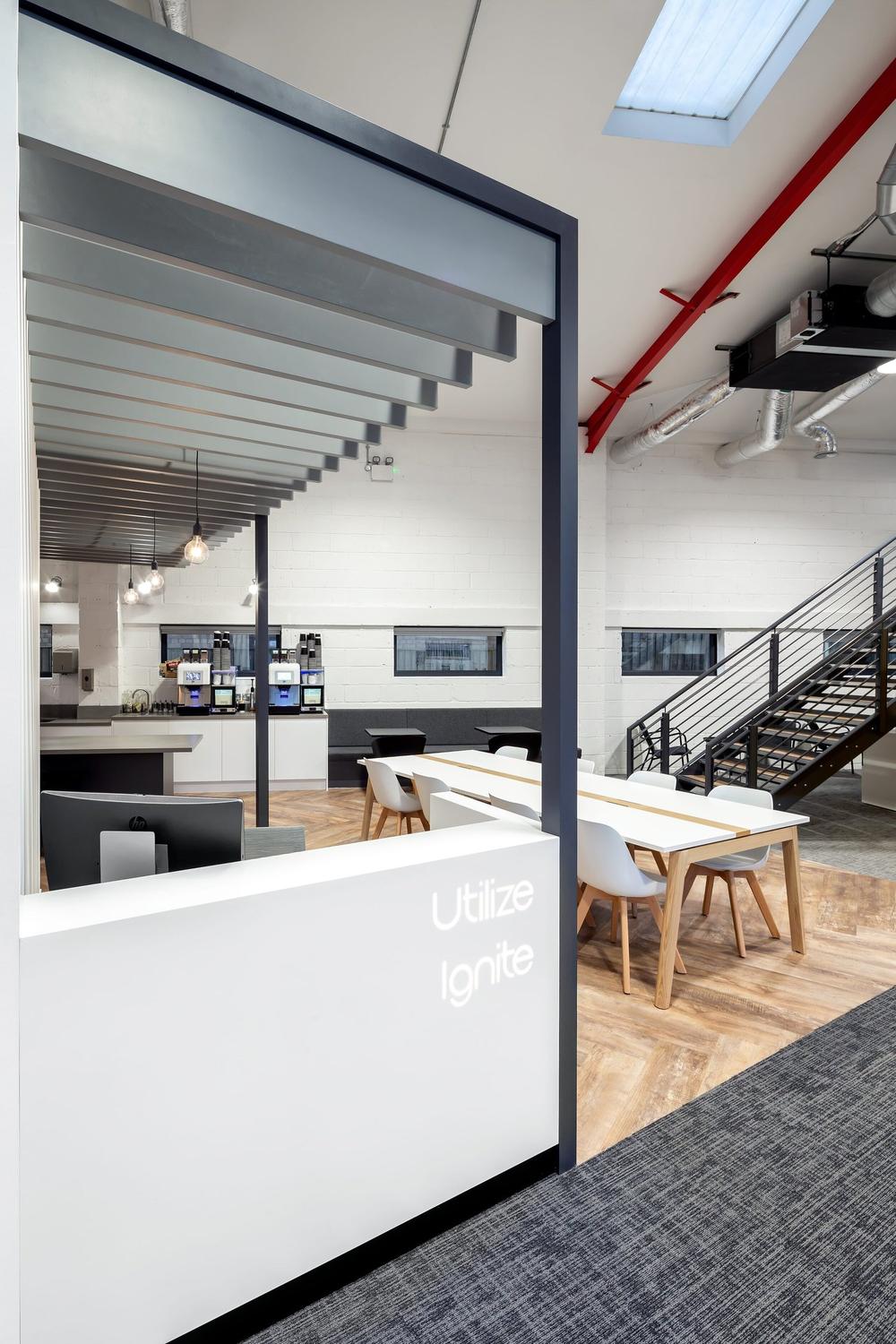
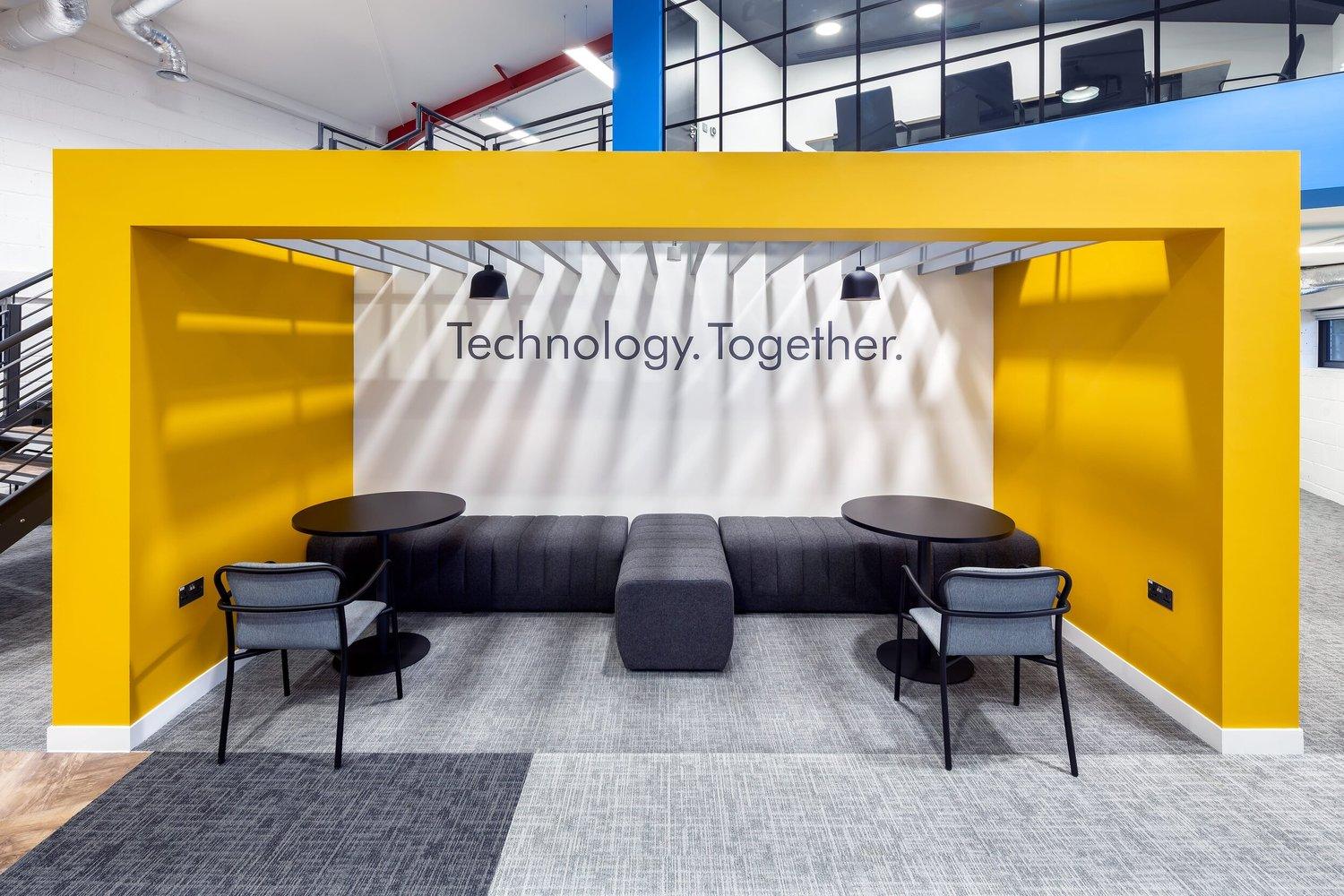
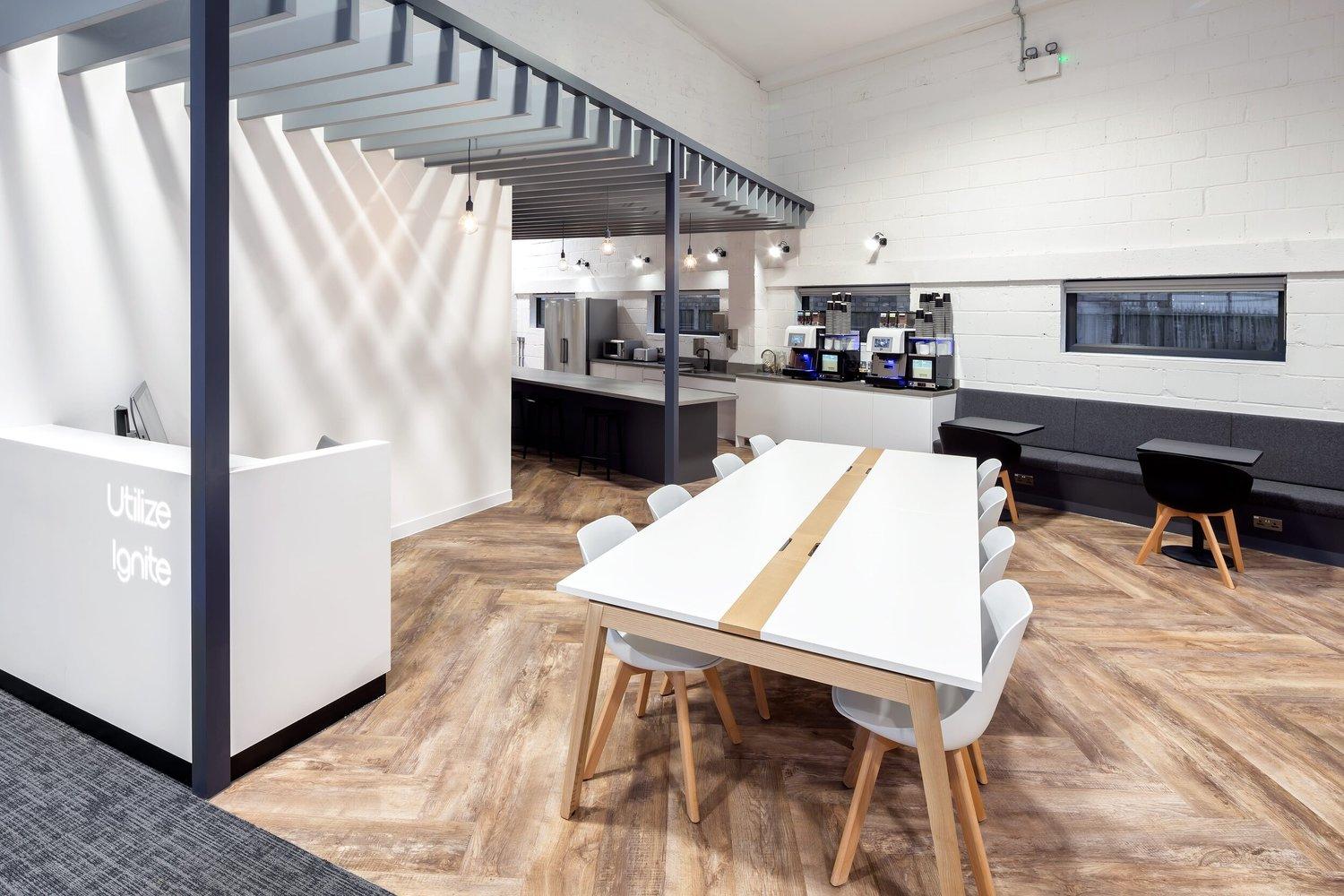
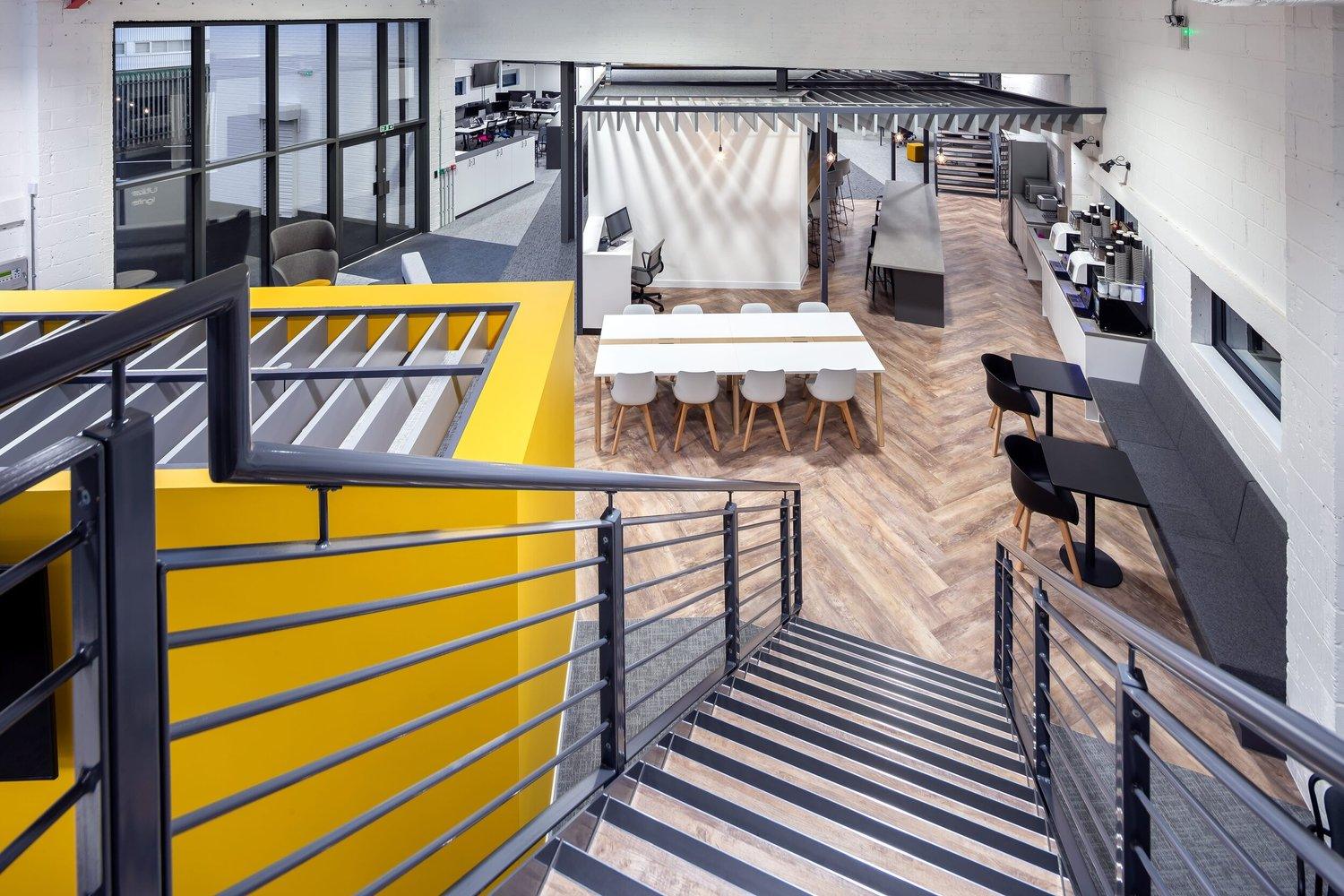
On a typical scheme there are several organisations who each legitimately want the photography: the architect for their portfolio and their own awards entries, the main contractor, a facade or fit-out sub-contractor, a materials manufacturer whose product is on the building, and often a PR or marketing agency.
Each of those is an additional licensed party. On my rates and licensing page the arrangement is 30 per cent of the invoice per additional party. On a £1,200 shoot with three others that is £2,280, or £570 each if split, which is materially cheaper than four separate commissions, and it produces one consistent set of images rather than four different photographers' takes on the same building.
Licensing
Agree it before the invoice
The single practical tip in this whole article: list everyone downstream who will want the images, and say so when you brief the shoot. Extended licensing agreed before the invoice is raised is straightforward. Agreed afterwards it is more expensive, because at that point it is a separate negotiation rather than part of the original deal.
It also avoids the genuinely bad outcome, which is a manufacturer quietly using images they were never licensed for and a relationship souring over something that would have cost very little to do properly.
Licensing
What happens if the building or the business changes hands
Licences generally attach to the party who was granted them, for the purpose agreed, not to the building itself. If a company is acquired, rebrands, or a building is sold on, the original licence does not automatically transfer to a new owner or a new entity who had no part in the original commission. In practice this rarely causes a problem, since it is usually cheaper and cleaner to agree a fresh licence for the new party than to try to work out whether an old one still technically applies.
It is another reason the list of interested parties is worth revisiting at brief stage for any project with a complicated ownership structure, several joint venture partners, or a building that is likely to change hands before the marketing life of the photographs is over.
Common questions
Frequently asked
Who owns the copyright to architectural photographs?
In UK practice the photographer normally retains copyright, and the commissioning client is granted a licence to use the images. The licence terms, rather than ownership, determine what the client can actually do with them.
Can several companies use the same architectural photographs?
Yes, through extended licensing. Each additional party licenses the images, typically for a share of the original fee. I charge 30 per cent of the invoice per additional party, agreed before invoicing, which is usually far cheaper than separate shoots.
What happens if we need extra licensing after the shoot?
It can still be arranged, but agreeing it after the invoice has been raised does not attract the same rate, because it becomes a separate negotiation. Listing the interested parties at brief stage is always cheaper.
Do I need a licence to use photos of my own building?
If you commissioned the photographs, your licence covers your use as agreed. Other companies involved in the project need their own licence, even though they worked on the building.
Can I resell or sub-licence architectural photographs to another company?
Generally no, not without agreement. A standard licence covers your own use for the purpose agreed, and is a separate thing from stock licensing or resale to a third party who was not part of the original commission, which is what extended licensing exists to handle properly.
Does a photography licence transfer if a building or company is sold?
Not automatically. A licence attaches to the party it was granted to, for the agreed purpose, rather than to the building itself, so a new owner or a rebranded entity typically needs its own licence rather than inheriting the original one.
Where to next