Journal · Planning
How many images do you need from an architectural shoot?
Twenty considered images beats fifty rushed ones almost every time, because the number you commission decides how much time each frame actually gets.
Planning
The number sets the pace
This is the part that is not obvious from a price list. The image count is not just what you receive at the end, it determines how long the photographer can spend on each frame on the day, and how much retouching time each one gets afterwards.
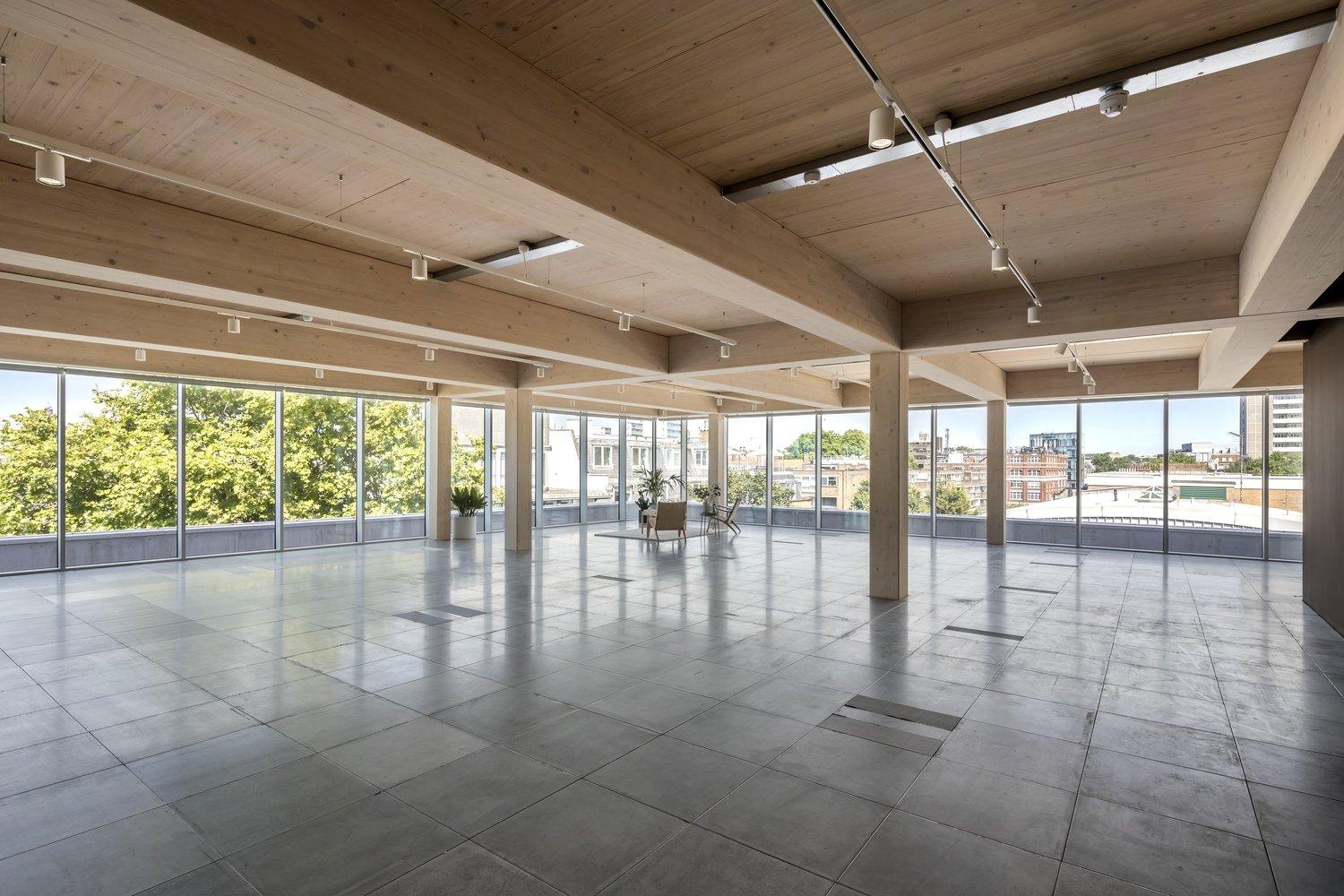
Twenty final images over three hours is a considered pace: time to set up properly, wait for a cloud, and get the composition right, plus a genuine amount of retouching time per image once the shoot is over. Forty over the same three hours would be a different job, and it would look like one: less time per setup, less margin to wait out light, and a faster, thinner retouching pass once the frames are in hand. That is why my two rates pair an image count with a time on site rather than selling them separately, since one without the other does not describe the actual job.
Planning
Why more images does not mean more time overall, just less per image
It is tempting to think a bigger package simply means a bigger job, more images for more money, all else equal. In practice, once a time-on-site figure is fixed, adding images mostly redistributes the same hours across more setups rather than adding proportionally more time to get each one right. Forty images with six hours on site is roughly double the images for double the time, which holds the pace, but a request for forty images squeezed into three hours would not, because the fixed costs of moving, levelling, and resetting for each shot do not shrink just because more frames are wanted.
The same logic applies to retouching afterwards. A finite amount of post-production time spread across more images means less attention per frame, which is the practical reason a tightly edited set of strong images so often beats a larger set of merely adequate ones.
Planning
Rough numbers by purpose
Press release or single announcement: five to ten strong images, one of which has to work as the lead.
Awards entry: usually eight to twelve, tightly edited, arguing one idea.
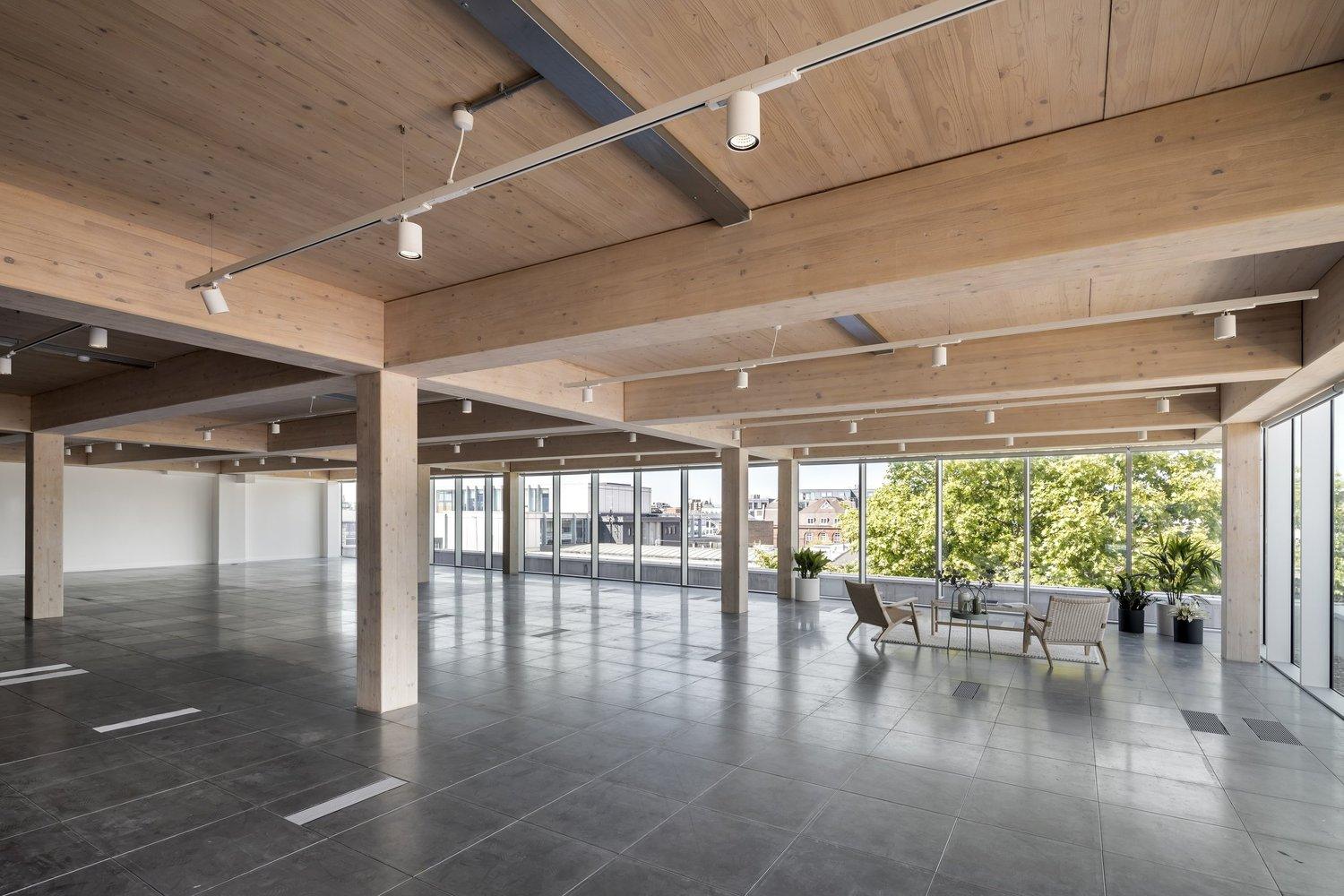
Website and portfolio for one project: fifteen to twenty-five, covering exterior, interior, and detail.
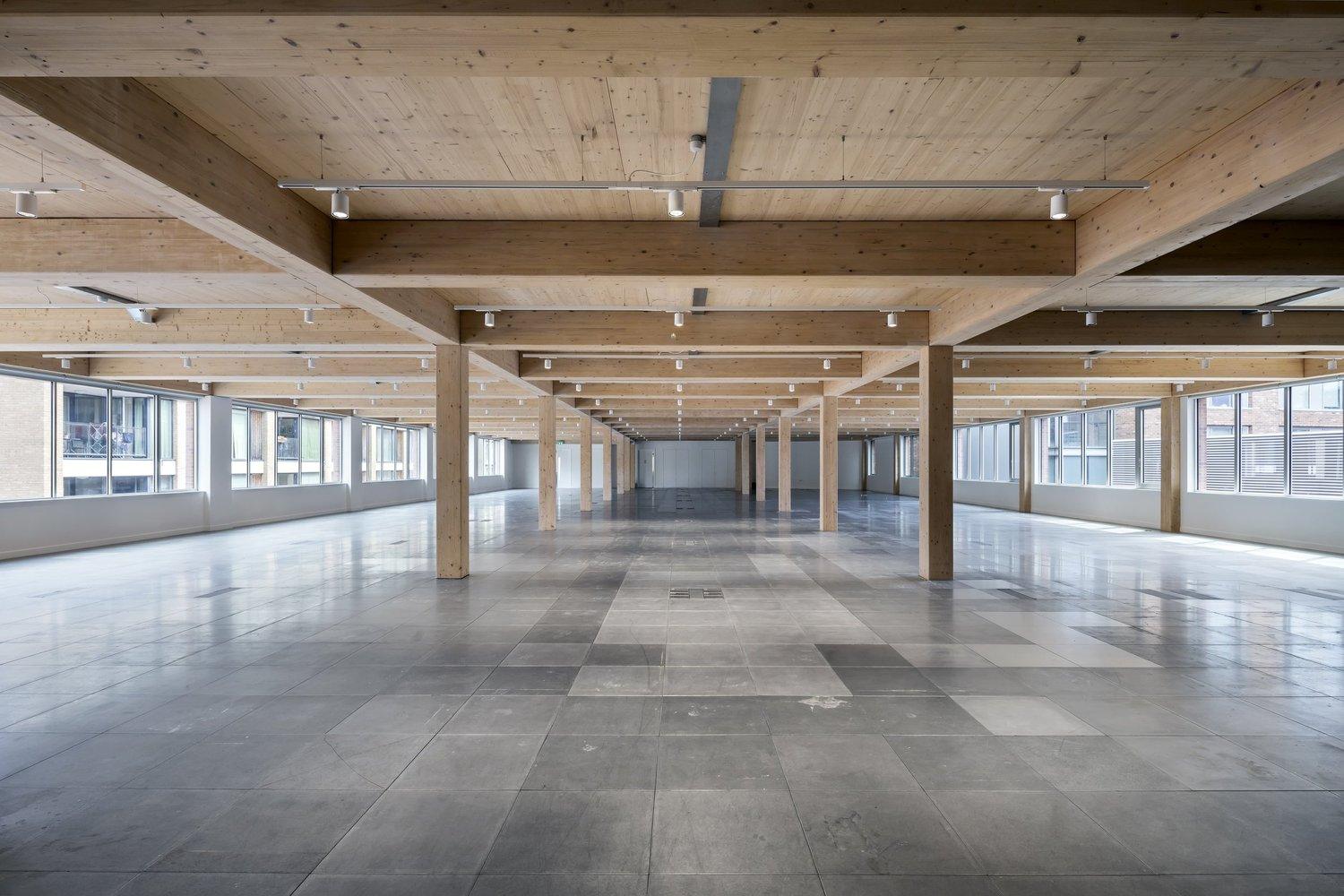
Leasing or sales brochure: more, often thirty to forty, because it has to cover every unit type, the amenity, and the context.
Full building record or handover: the largest sets, driven by the number of spaces rather than by editorial choice.
Planning
A simple way to decide
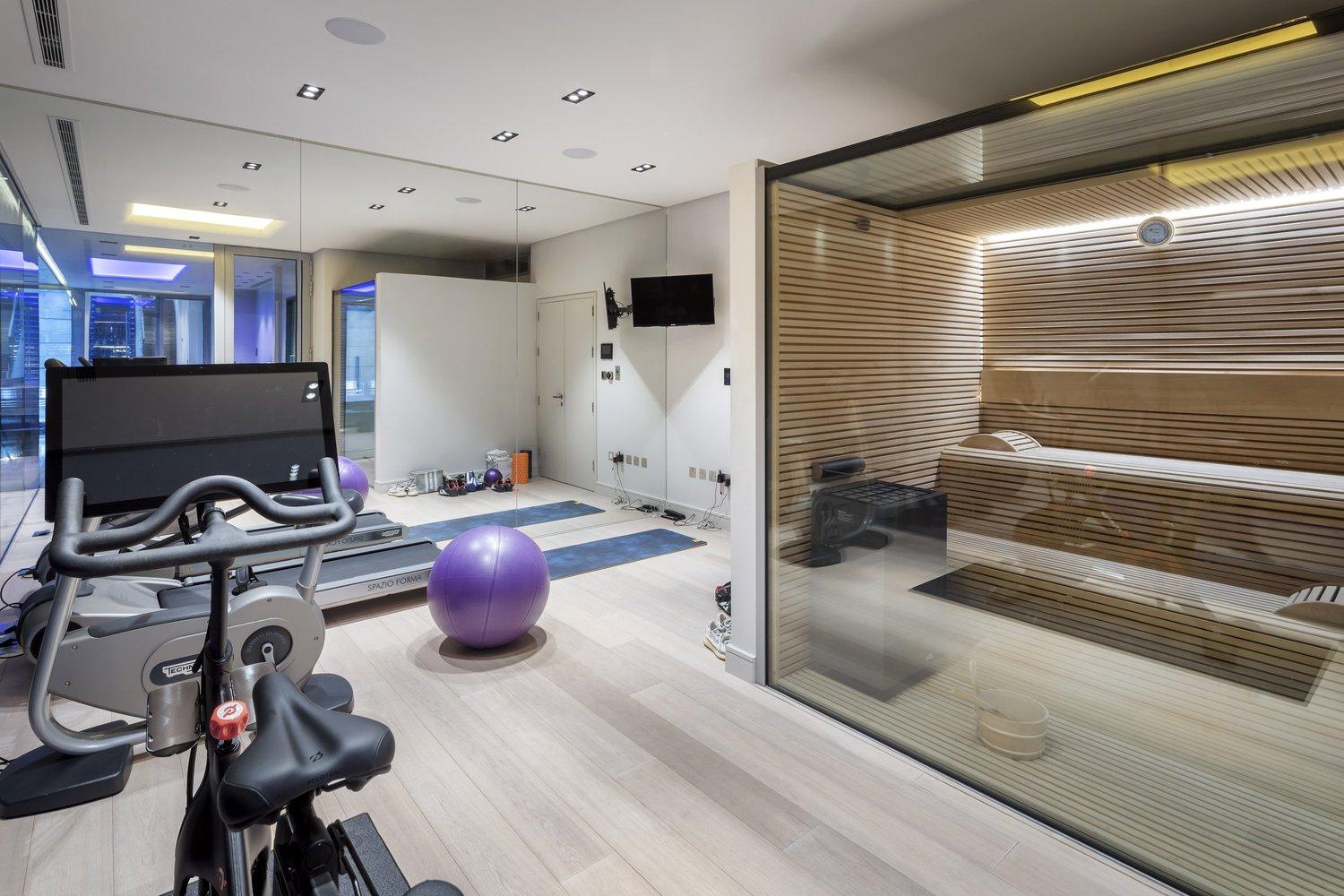
Rather than picking a number first, it usually works better to start from the purpose, list the actual shots the brief needs, exterior, arrival, two or three interiors, a couple of details, and count them. That list nearly always lands close to one of the standard package sizes, and it is a far more reliable way to arrive at a number than guessing at a round figure and hoping it fits.
Add a small margin above the strict list for the shots that turn out better than expected on the day and are worth keeping, rather than commissioning right up to a hard ceiling with no room for a pleasant surprise.
Planning
Buy fewer, and buy the right ones
If the budget is tight, the better trade is fewer images shot properly rather than a large set shot quickly. A brochure can repeat a strong image. It cannot rescue a weak one.
Extra images are usually available afterwards anyway. On my rates page they are £50 each beyond the package, selected from the same contact sheet, so under-committing is less risky than over-committing.
Common questions
Frequently asked
How many photos do you get from an architectural shoot?
It depends on the package. Mine are up to 20 final retouched images with up to 3 hours on site, or up to 40 with up to 6 hours. The image count and the time on site are paired deliberately, because the number of frames sets the pace of the day.
How many images does a press release need?
Usually five to ten strong images, with one clear lead image that will survive being cropped to different shapes by different publications.
Can I order extra images after the shoot?
Yes. Additional images are selected from the same contact sheet and retouched afterwards, at £50 each beyond your package, so it is generally safer to under-commit than over-commit.
Does ordering more images mean the shoot takes proportionally longer?
Not always. If the time on site stays fixed, more images means less time per setup and less retouching attention per frame. The packages pair image count with time on site precisely so the pace stays consistent rather than compressing as the number goes up.
How do I work out how many images I actually need?
Start from the purpose of the shoot rather than picking a number first: list the specific shots the brief requires, exterior, arrival, key interiors, and detail shots, count them, and add a small margin. That list usually lands close to one of the standard package sizes.
Where to next