Journal · Craft
Light, and the role it plays in architectural photography
Light is the difference between a record of a building and a photograph of one. The same elevation can look monumental at one hour and completely flat two hours later.
Craft
A building has a best hour, and it is not always the obvious one
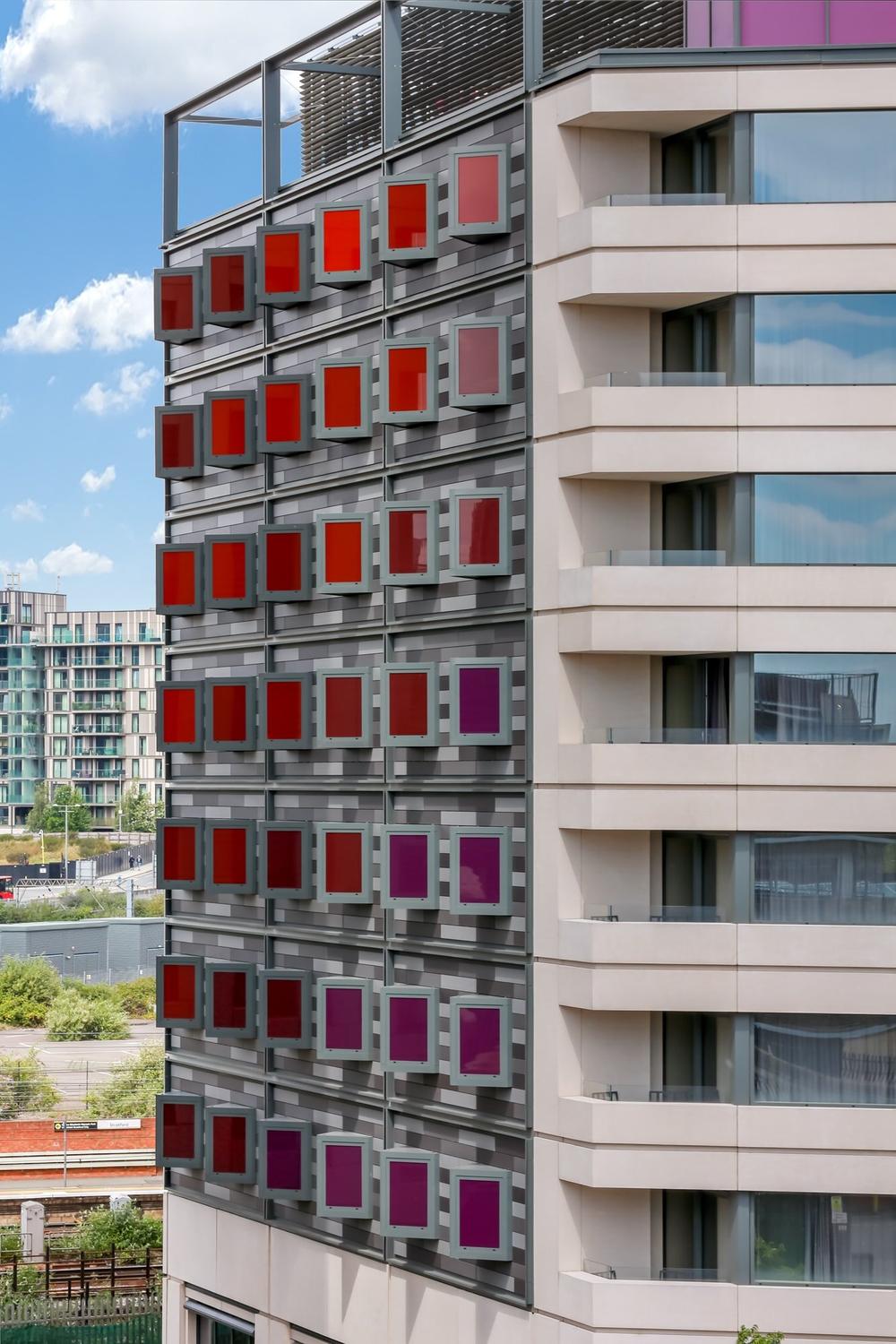
Every elevation faces a direction, and that direction decides when it is worth photographing. A south-facing facade in the middle of a summer day is lit flat on: the modelling disappears, the reveals stop reading, and the material looks like a drawing of itself rather than a real, three-dimensional surface. The same wall in raking, low-angle light shows every set-back, every reveal around a window, and every change of plane, because shadow is what tells the eye a surface has depth at all.
An east-facing facade wants the first hour or two of the day, before the sun swings round and starts lighting it from an unhelpful angle. A west-facing one wants the last hour or two. A north-facing elevation almost never gets direct sun at all in the UK, and is usually better served by soft, even daylight than by waiting for a moment that will not come. Reading the compass before the calendar is the first, and most overlooked, step in planning any exterior shoot.
This is why a shoot date with some flexibility produces better work than a fixed one. The photographer is not being precious, they are waiting for the hour that makes the design legible, in the same way a stylist waits for the right expression rather than firing the shutter continuously and hoping.
Craft
Overcast is not automatically bad
A flat grey sky rarely flatters an exterior, because it removes the shadow that gives a facade depth, and it usually photographs as an empty white shape behind the building rather than a backdrop with any texture of its own. For exteriors it is often worth moving the date, particularly for a hero shot that needs to carry a brochure cover or a press release on its own.
Interiors are the opposite. Heavy overcast is a giant softbox: it fills a room evenly, keeps the window views from blowing out, and makes materials read honestly rather than picking out one patch of hard sunlight and leaving the rest of the room in shadow. Some of the best interior photography happens on days that would be useless outside, which is one reason a well planned brief sometimes books interiors and exteriors on different days rather than trying to force both out of the same weather window.
There is a middle case worth knowing too: broken cloud, which gives moving light and shadow across a facade rather than a static one. It photographs beautifully but unpredictably, which is why an exterior shoot on a partly cloudy day often means longer on site than a still, clear one, simply waiting out the pattern for the moment the light falls right.
Craft
Mixed light indoors is a genuine technical problem, not a detail
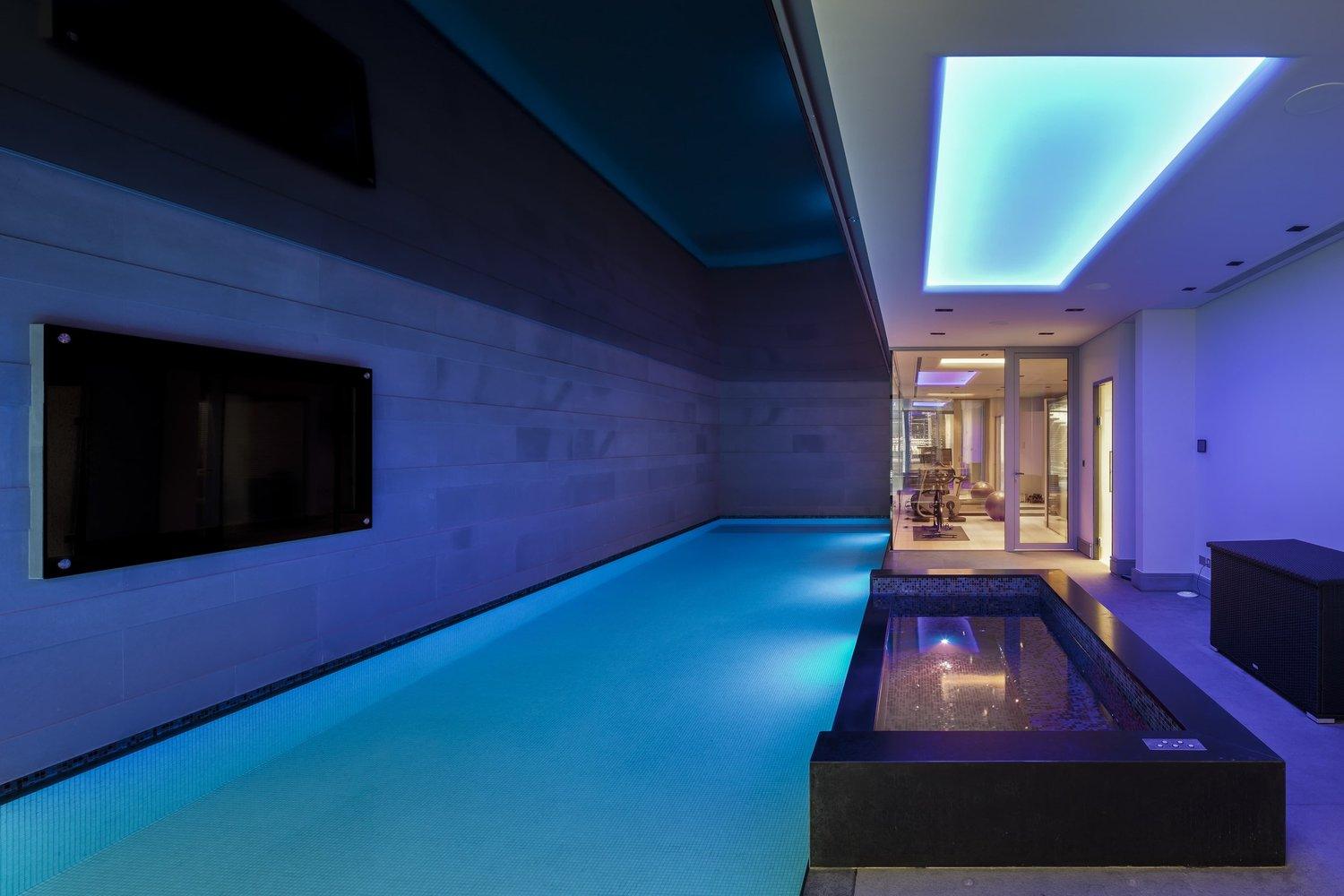
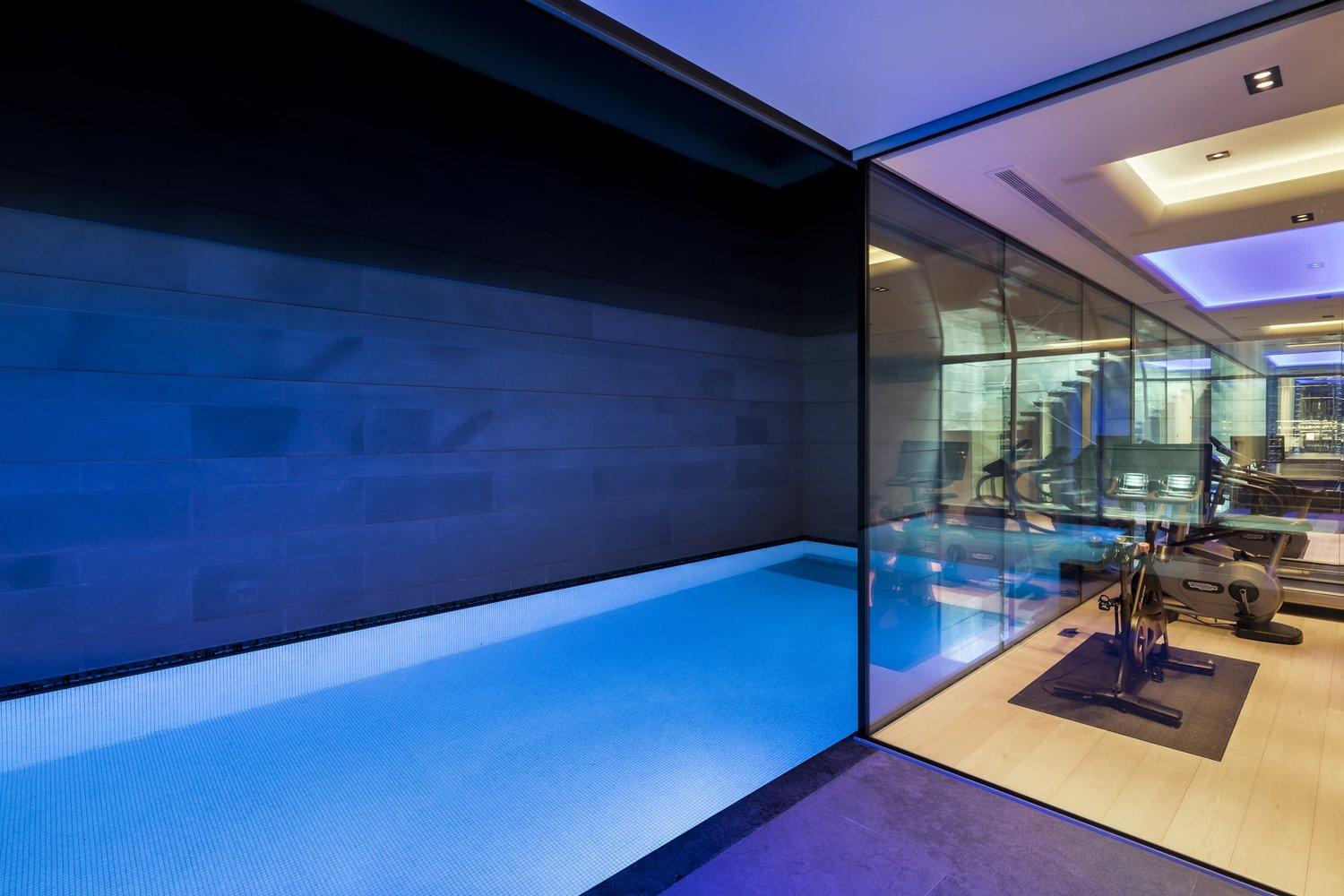
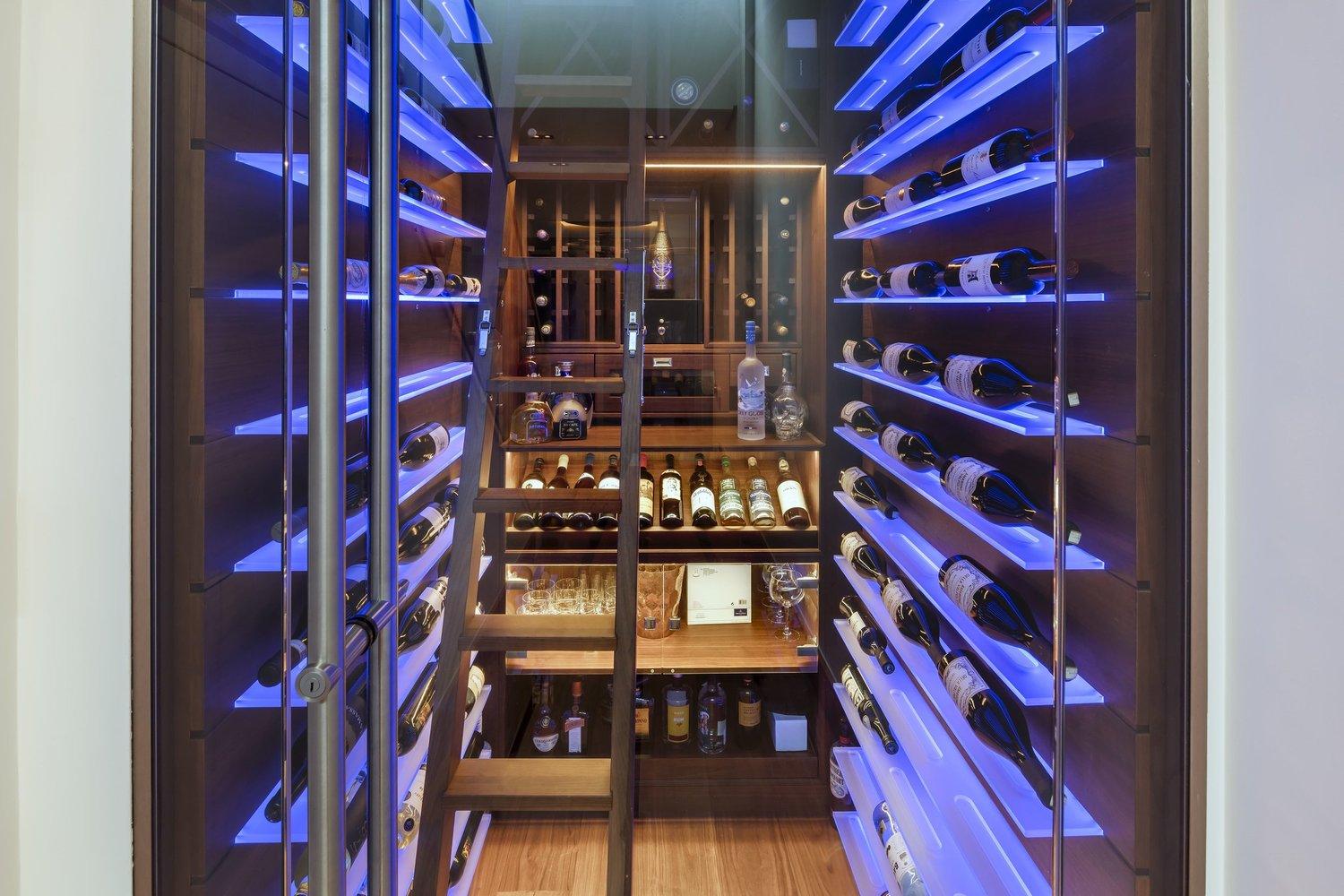
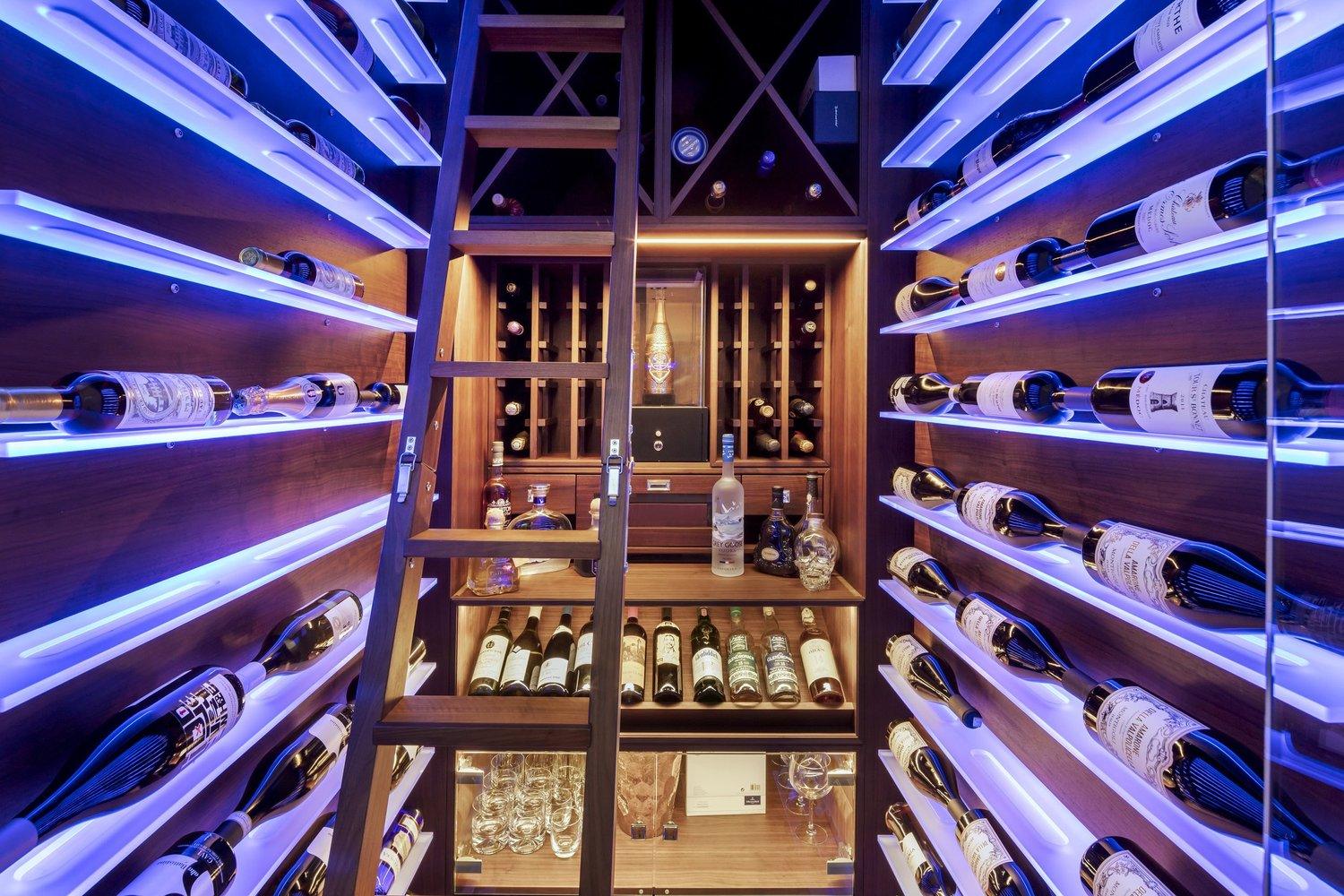
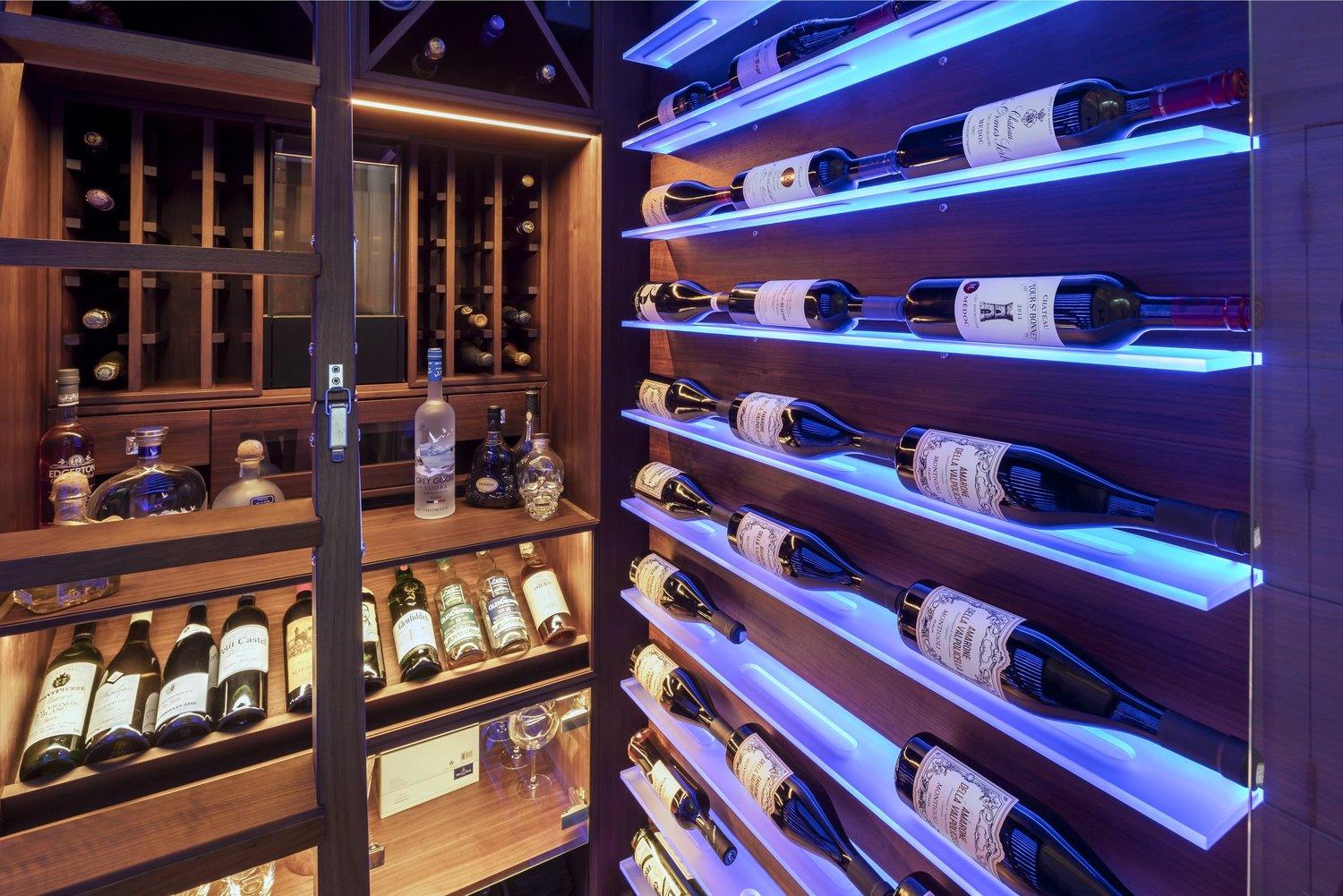
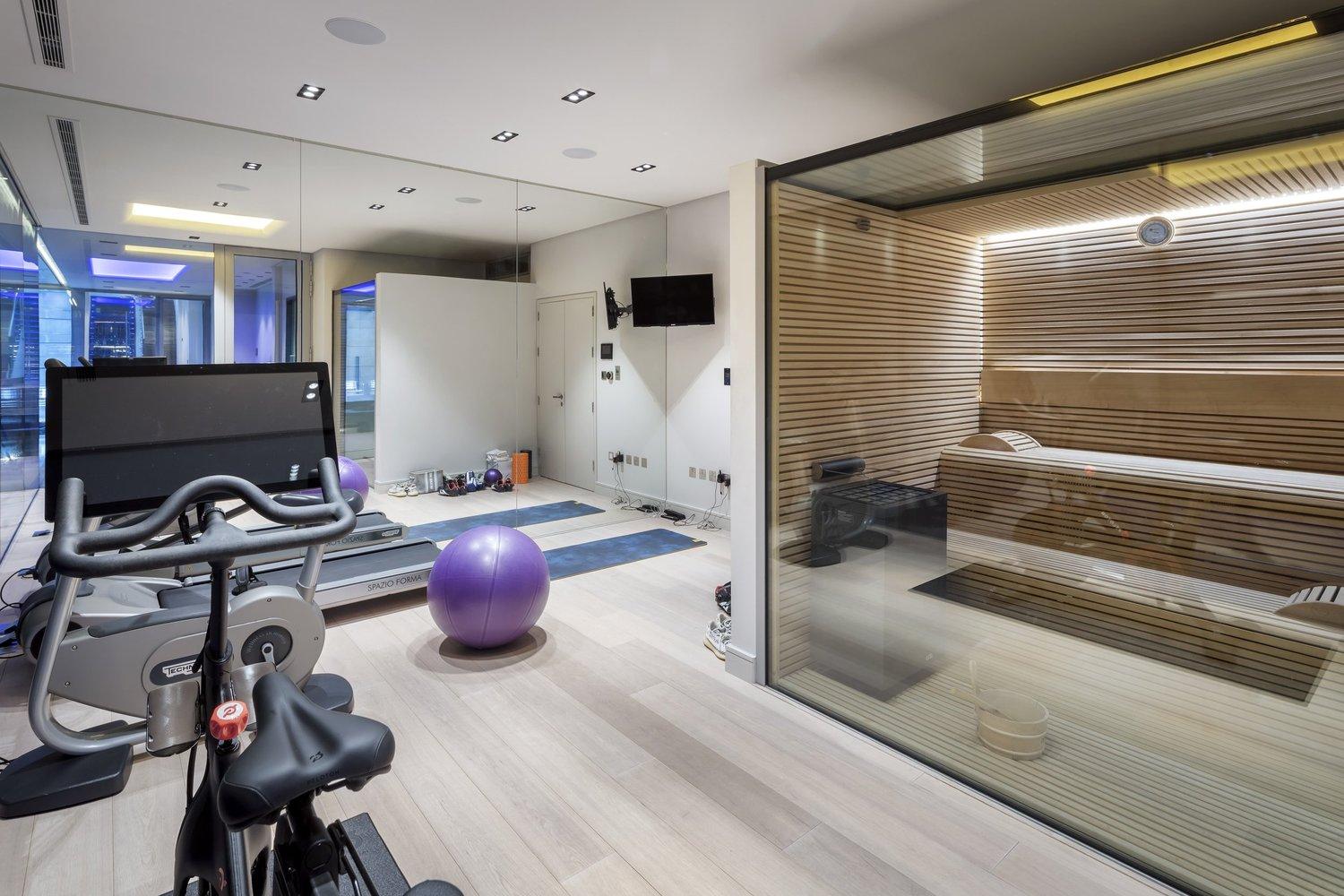
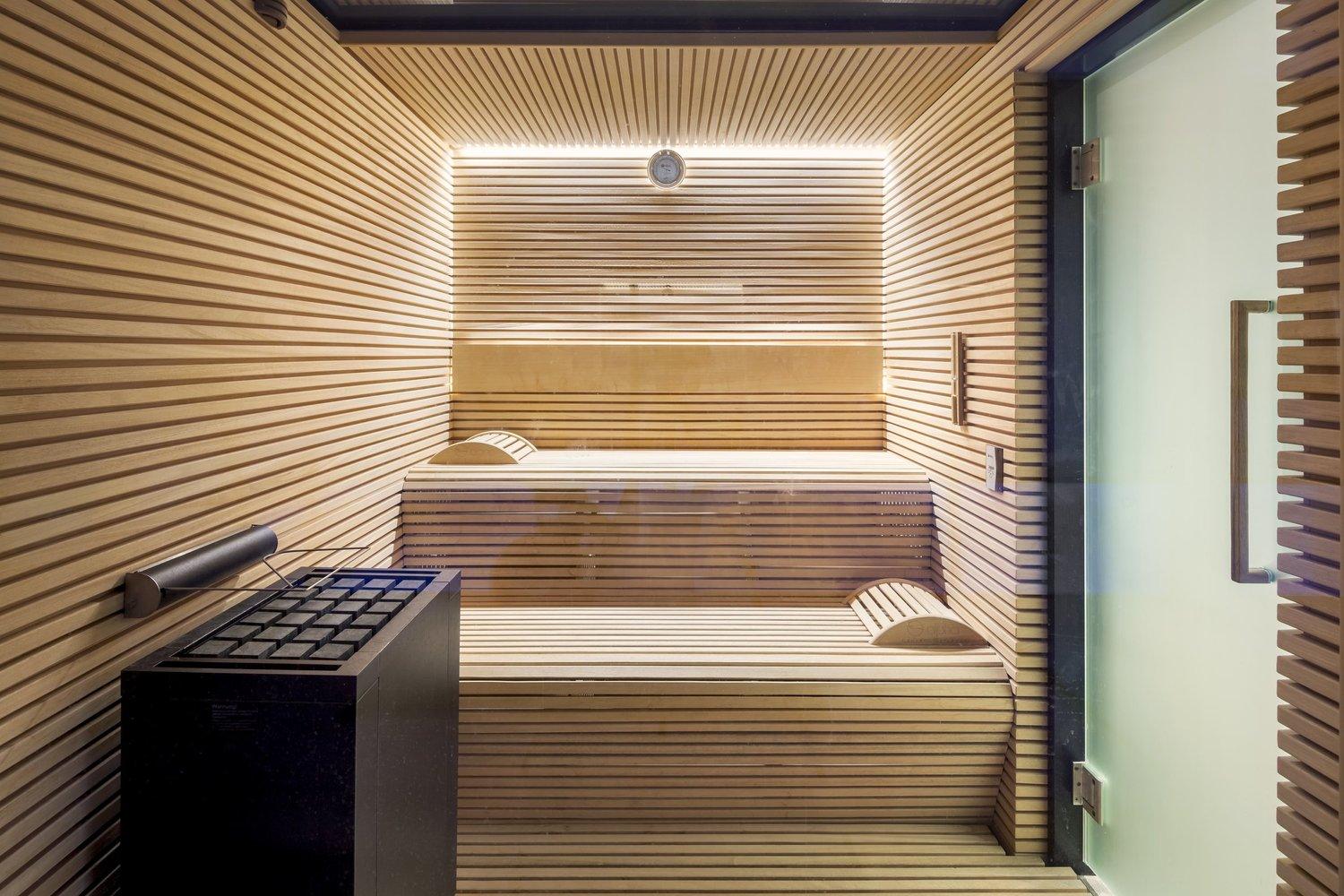
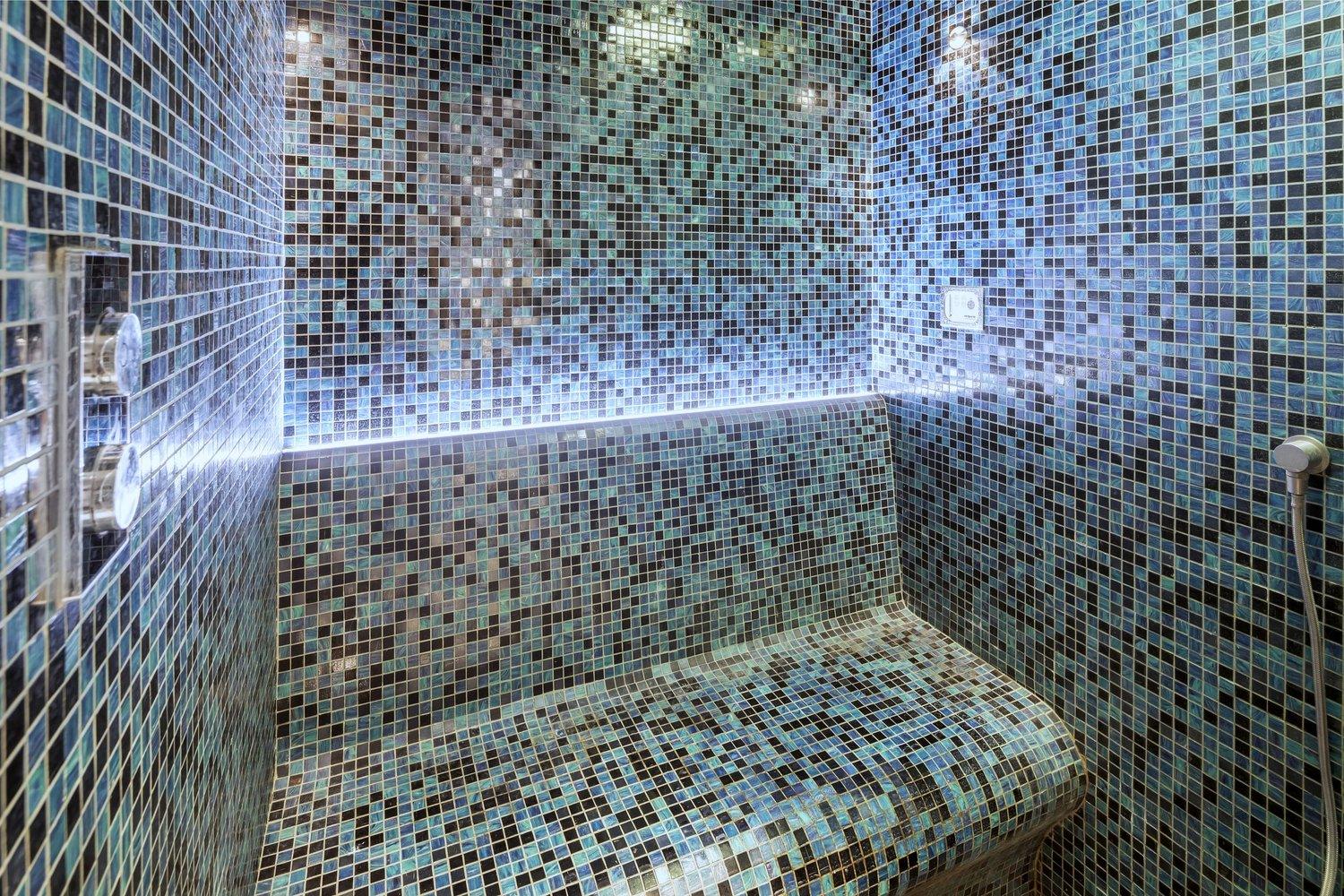
A room lit by daylight through the windows, warm tungsten lamps, and cool white LED downlights all at once is not an unusual interior, it is close to the default. Each of those sources has a different colour temperature: daylight sits around 5,500 to 6,500 kelvin, tungsten lamps around 2,700 to 3,000 kelvin, and LED fittings anywhere in between depending on the specification. A camera can only set one white balance at a time, so left uncorrected, a single frame ends up with warm pools under the lamps, a cool cast from the windows, and a slightly different colour again under the downlights, none of which matches what the eye actually perceives, because the eye adapts continuously and a sensor does not.
Balancing that properly is done partly on site, choosing which light sources to keep, dim, or switch off, and partly afterwards, correcting each area of the frame independently so the room reads as one coherent colour rather than a patchwork. It is also why a request to just brighten a room in an existing photo rarely works well: exposure and colour temperature are tangled together, and fixing one without the other usually makes the problem more visible, not less.
Craft
Dusk, and why it costs more than it looks
The window where the sky still holds colour and the building's own lighting has come on is genuinely short, often twenty minutes, sometimes less in the depths of winter when the transition from daylight to full dark happens quickly. Inside it, a scheme with considered lighting design looks like the renders that sold it, because the balance between the fading sky and the building's own light briefly matches. Outside that window, you get either a dark building against a bright sky, or a lit building against a black hole with none of the atmosphere a designer intended.
That is why dusk shots are planned rather than tacked on at the end of a daytime shoot. The camera position, the interior lights, the blinds, and often a facilities contact ready to switch specific circuits on cue, all need settling before the light arrives, because there is no second attempt that evening. Miss the window and the next opportunity is the following evening at the earliest, weather allowing.
Craft
How the seasons change the same building
London's sun path shifts a great deal across the year, and a shoot plan that works in June does not simply translate to December. In midsummer the sun rises in the northeast and sets in the northwest, stays high for most of the day, and gives a long, gentle golden hour at each end. In midwinter it rises and sets much closer to due south, never climbs far above the horizon even at midday, and the whole day can behave like an extended golden hour, which suits some facades far better than a harsh summer midday ever would.
The practical effect is that a building booked for photography in winter may actually get more flattering light for longer, while a summer shoot needs to be timed more precisely around the shorter low-angle windows at each end of the day. Neither season is simply better. What matters is planning the shoot around the specific elevation and the specific month, rather than assuming any bright day will do.
Craft
What this means when you book
Three practical things follow from all this. Give the shoot flexibility around weather where you can, because the difference between a fixed date and a date with a few days' give is often the difference between an average set of images and a genuinely strong one. Say early if you want a dusk frame, because it changes the schedule, needs coordination with whoever controls the building's lighting, and often affects the fee. And if the building has a signature lit moment, an entrance canopy, a stair, a lit soffit, name it in the brief so it is planned for rather than discovered at seven in the evening when there is no time left to set it up properly.
Common questions
Frequently asked
What is the best time of day to photograph a building?
It depends which way the elevation faces. Low, raking light early or late in the day shows modelling and depth, while midday sun on a south-facing facade tends to flatten it. North-facing elevations rarely get direct sun at all and usually suit soft daylight instead. Dusk suits buildings with designed lighting. Interiors often work best under bright overcast.
Can you photograph a building on a cloudy day?
Interiors, yes, and often better than in sun: overcast light is even and keeps window views from burning out. For exteriors a flat grey sky usually does the building no favours, so it is frequently worth moving the date if the schedule allows.
What is a dusk or twilight architectural shot?
A frame taken in the short window where the sky still holds colour and the building's own lighting is on, so the two balance. The window is often around twenty minutes, so it has to be planned in advance, with the camera position and the building's lighting settled before the light arrives, rather than added at the end of a shoot.
Do you photograph architectural lighting schemes?
Yes. Lighting design photography is shot at dusk and after dark to show how a scheme reads when its lighting is doing the work, which is usually the point at which the design is most visible.
Why do rooms with mixed lighting look strange in photographs?
Because daylight, tungsten lamps, and LED fittings all have different colour temperatures, and a camera can only set one white balance at a time. Left uncorrected, a single frame can show warm lamp pools, a cool cast from the windows, and a third tone under the downlights all at once, which needs correcting area by area afterwards rather than with one global adjustment.
Does the season affect when a building should be photographed?
Yes, significantly. London's sun path and the length of golden hour change a great deal between summer and winter, so a shoot plan built around one season does not simply transfer to another. Winter light in particular can flatter some facades for much longer than a short summer window either side of midday.
Where to next