Journal · Healthcare
What does healthcare photography of a clinic involve?
Healthcare photography of a clinic is photography of the building and its rooms, from the entrance and reception to the consulting rooms, treatment rooms and corridors, timed around appointments so no patient is in the frame or disturbed. For most single clinics my £700 rate covers it, with up to 20 finished images and up to 3 hours on site, and larger or multi-floor sites usually suit the £1,200 rate for up to 40 images and up to 6 hours. It is a different job from clinical photography of patients, which is done by medical photographers working inside hospitals.
Healthcare
What healthcare photography covers
The phrase gets used for two quite different jobs, so it is worth being clear. Clinical or medical photography records patients, wounds and procedures for medical notes and teaching, and it is done by trained clinical photographers. What I do is architectural and interiors photography of healthcare buildings, meaning the spaces, the design and the finish, photographed for the people who built, designed or run them.
The people who commission it are mostly healthcare operators, developers, and the designers behind clinical and wellbeing spaces. In practice that might be a clinic owner or practice manager who needs new pictures for the website, a developer or fit-out contractor who has just handed over a clinic and wants it recorded, or an interior designer adding the project to their portfolio. Each of them wants a slightly different set from the same rooms, so it helps to say in the brief who the images are for. The service is summarised on the healthcare photography page.
Healthcare
The rooms worth photographing
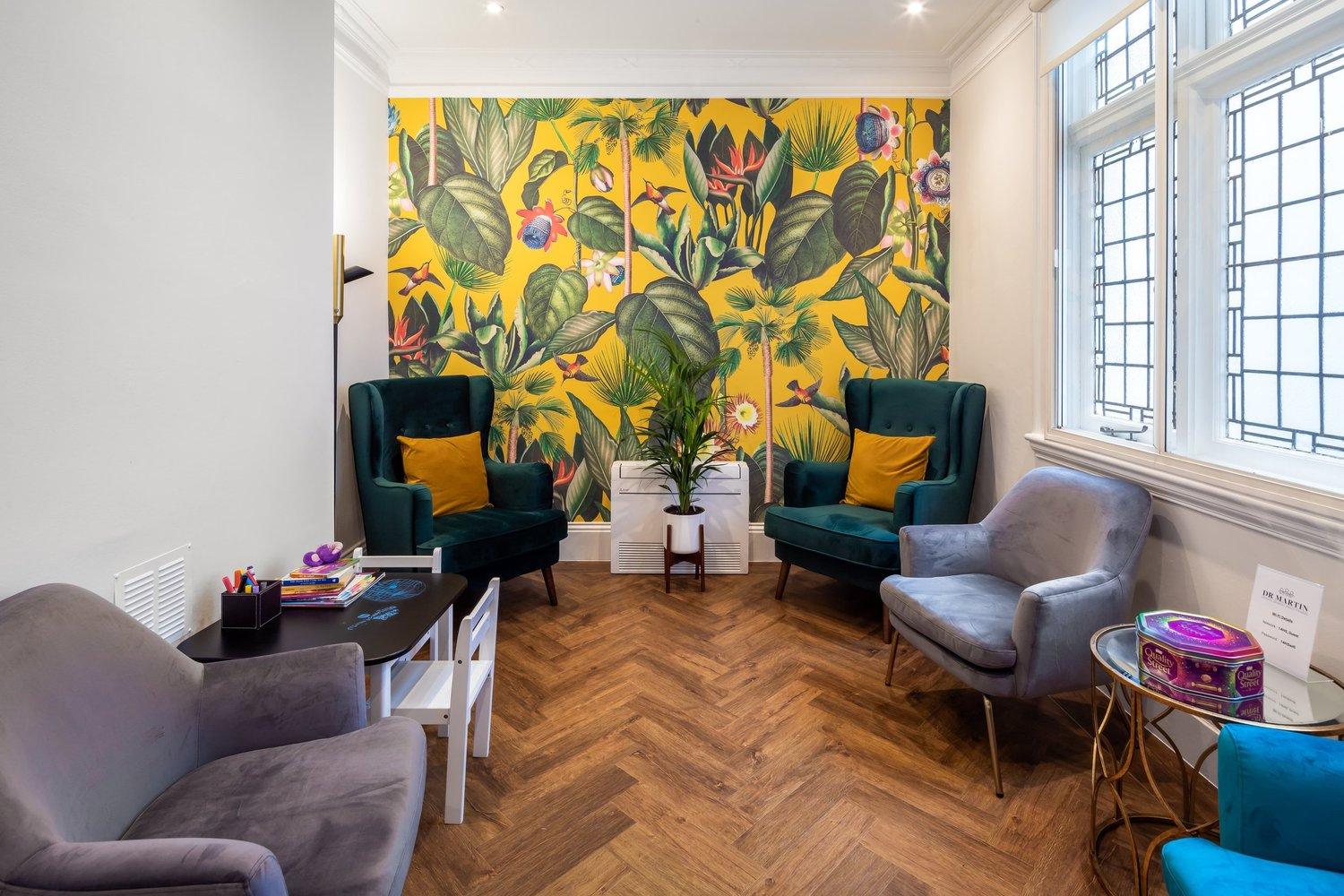
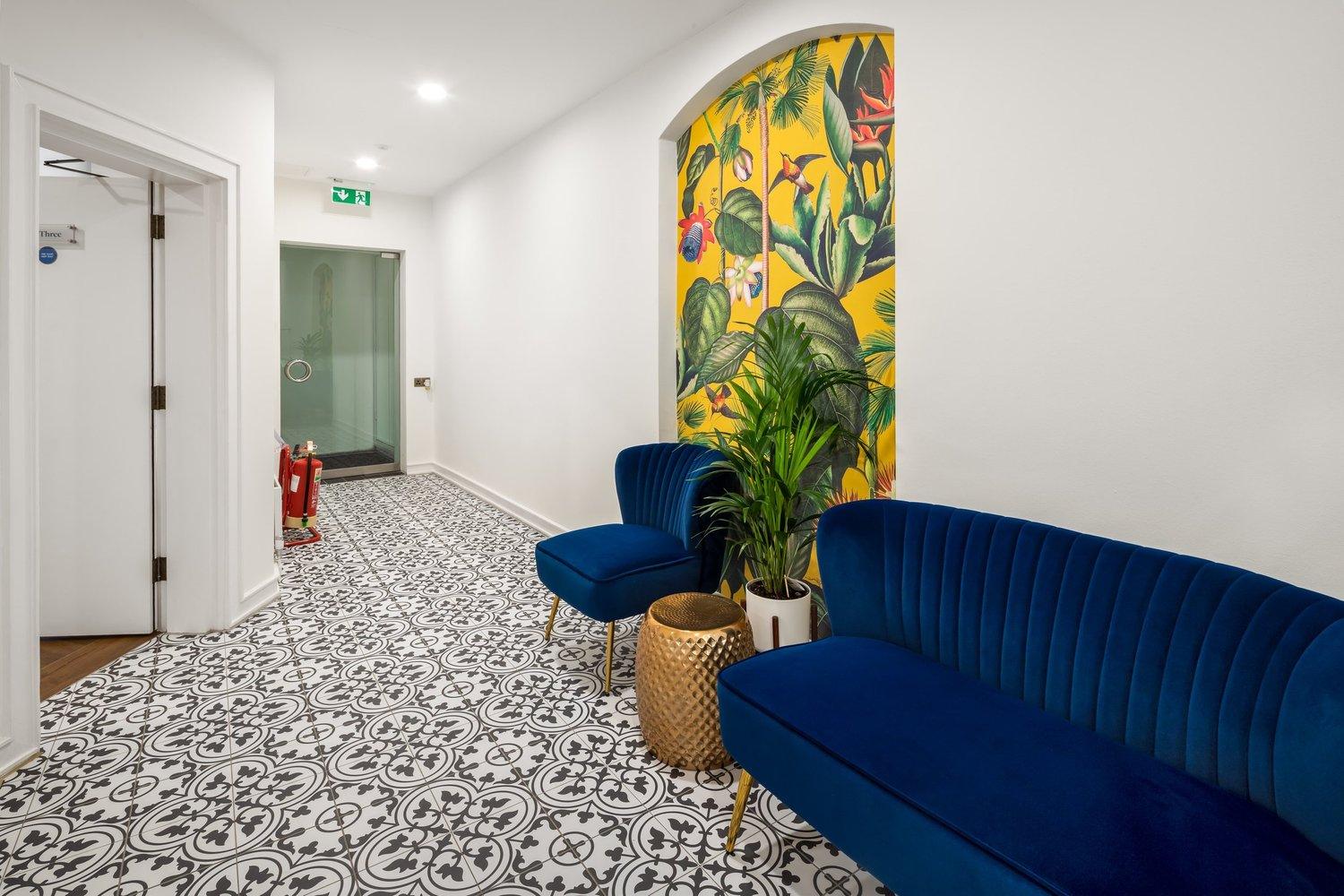
Entrance and reception. This is the space most people see first, on the website and in person, so it usually gets more setups than any other room. I would normally photograph it from where a patient walks in and again looking back across the waiting area, so the desk and the seating both read properly.
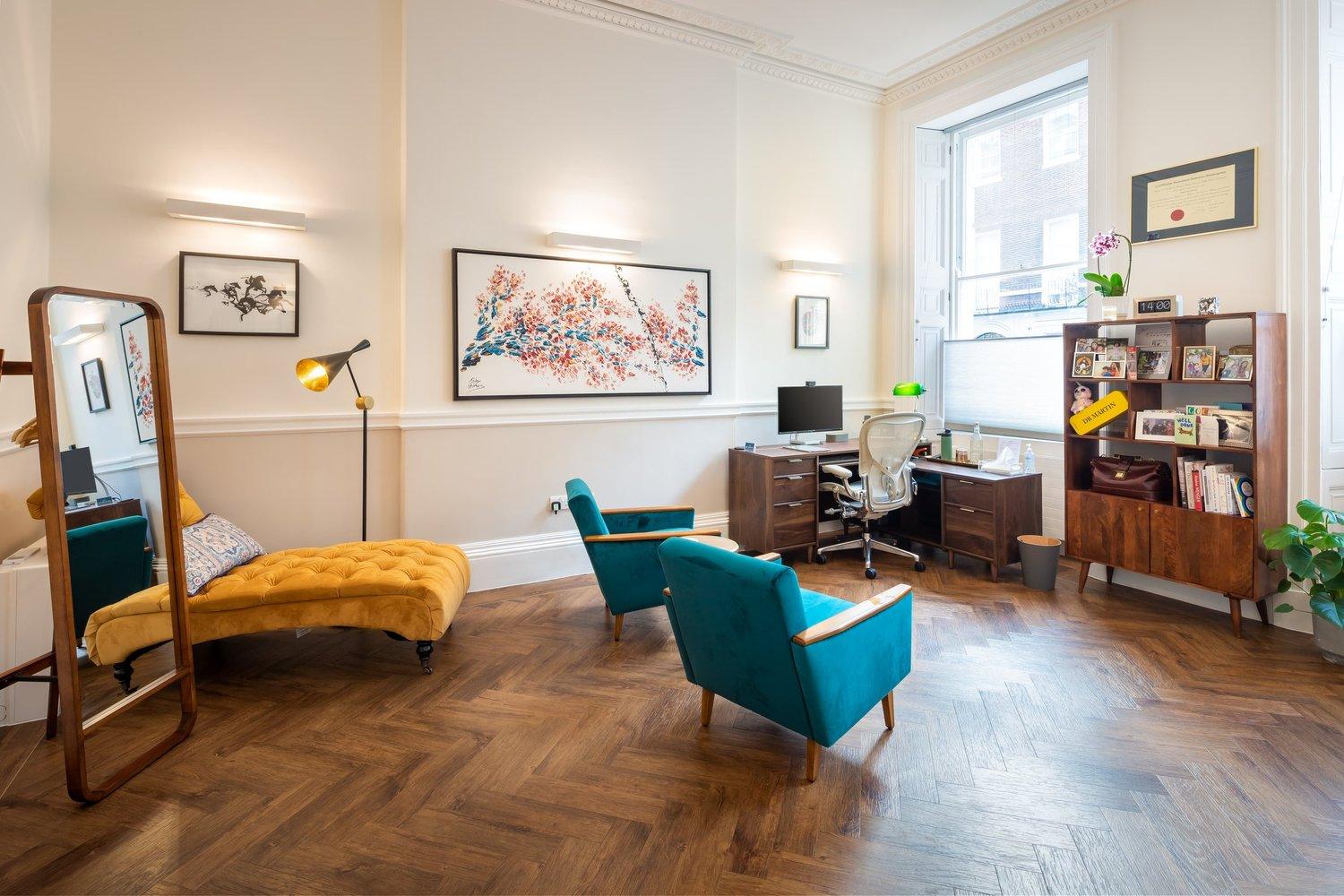
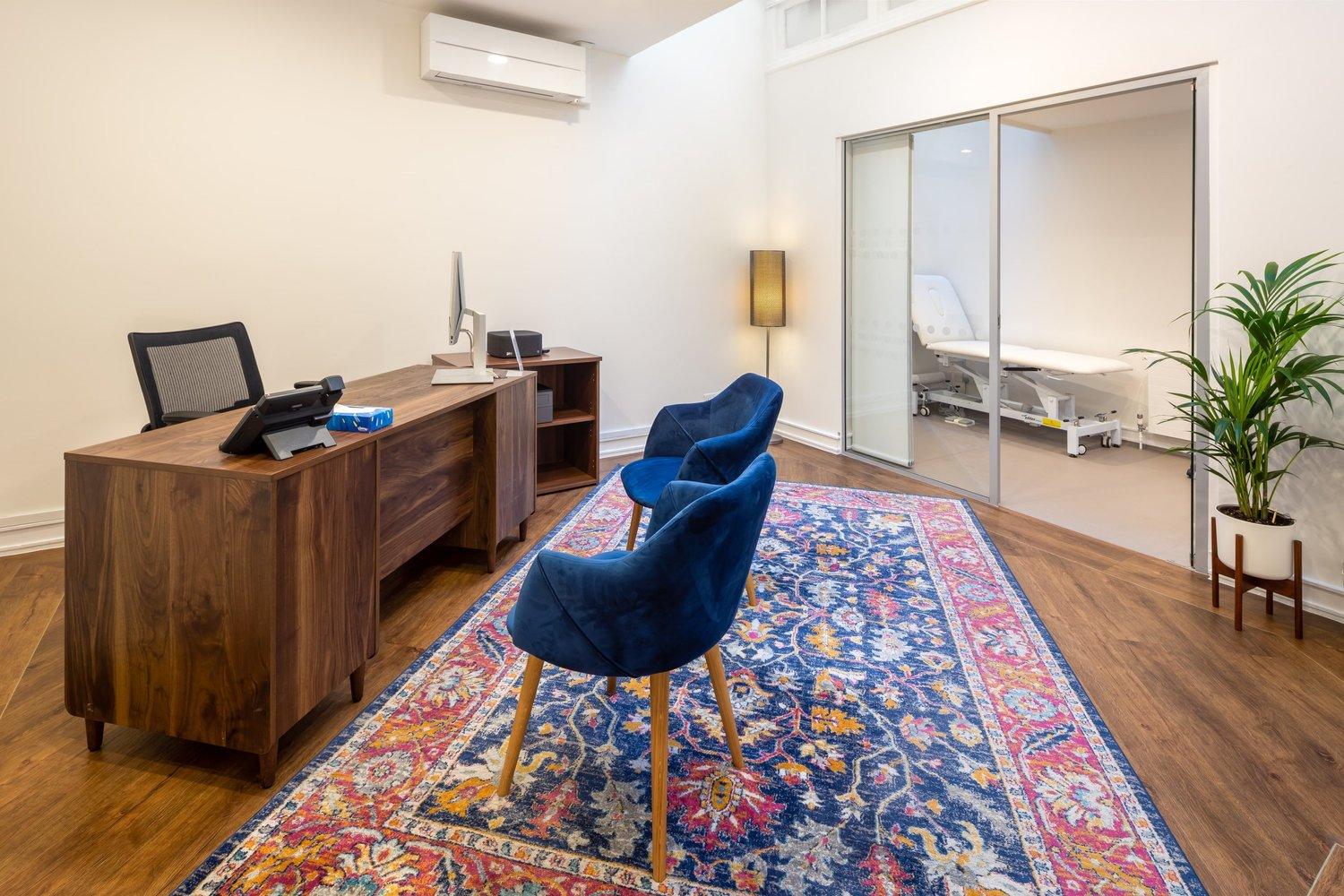
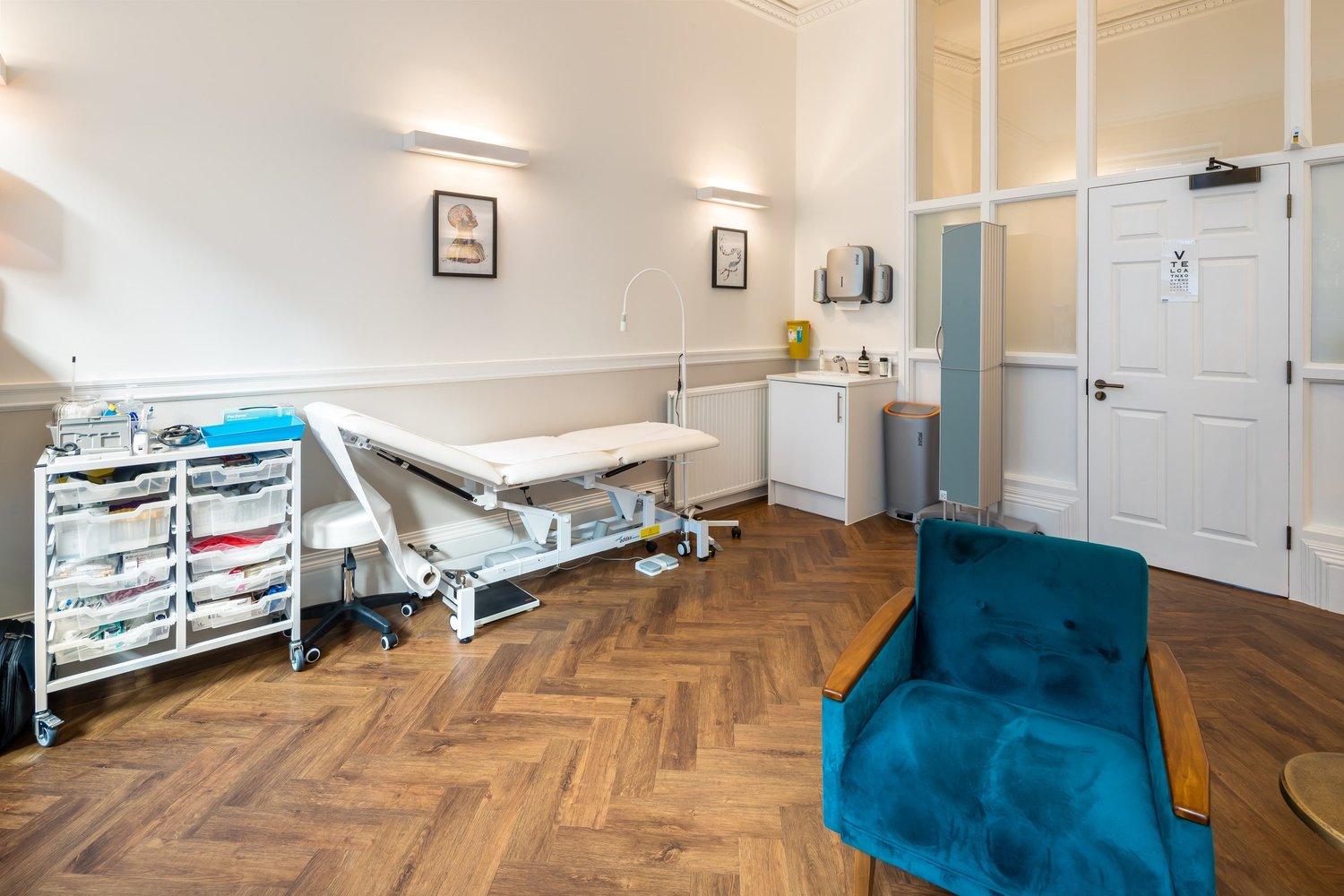
Consulting and treatment rooms. Rooms in a clinic often repeat, so I would rather photograph the best one or two of each type carefully than give every room the same treatment. A clinic with six identical consulting rooms rarely needs six images of them.
Equipment in context. A dental chair, an examination couch or a scanning room photographs best as part of the room, with enough space around it to show the finishes and the light. A few close frames of fittings and joinery are worth adding for the designer or contractor, since those are the images that show the quality of the build.
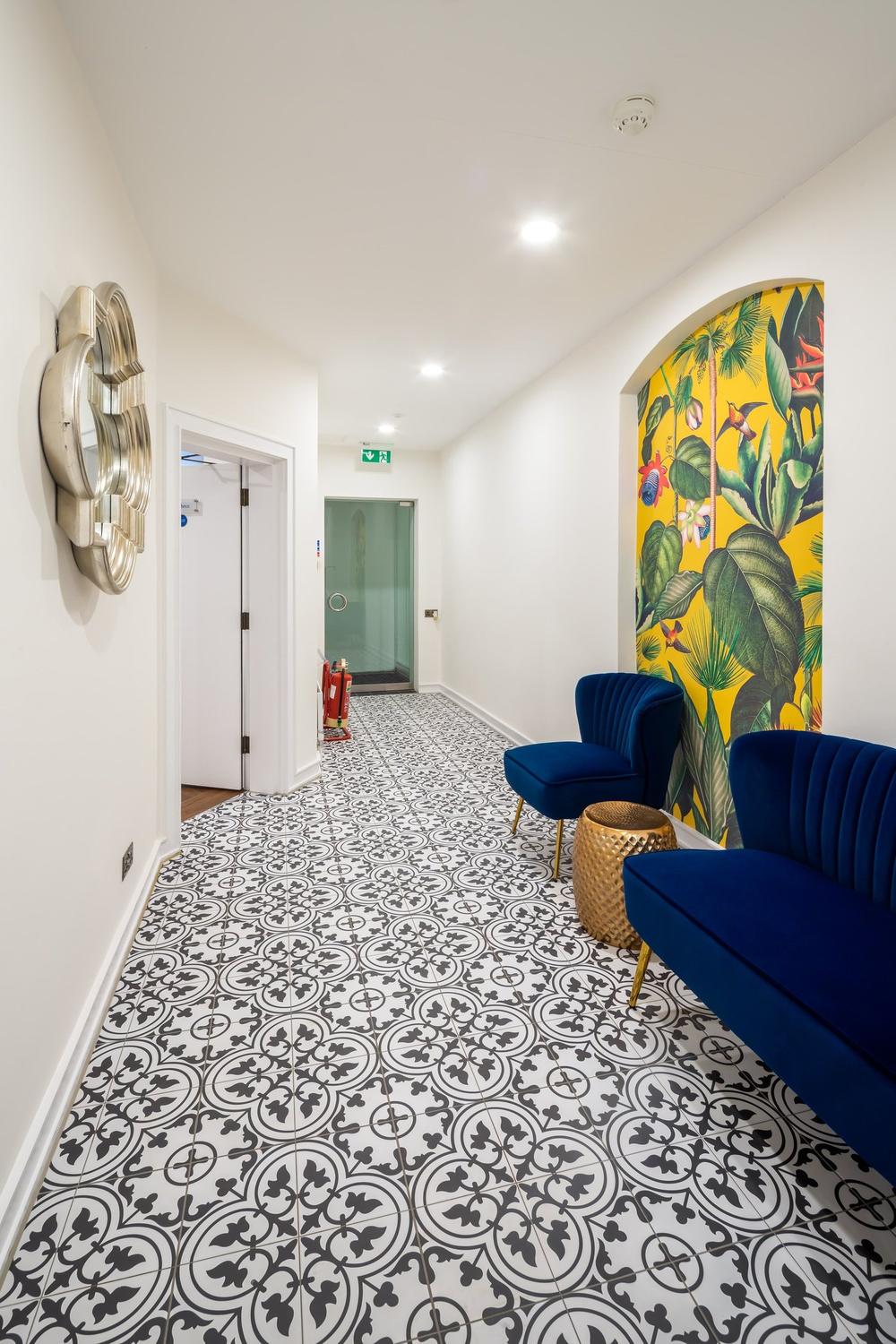
Corridors and signage. Circulation is easy to forget. A corridor photographed with the wayfinding readable shows how people find their way around the building, which a set of separate rooms does not do on its own.
Photographs only go part of the way for a patient who is nervous about a first visit and wants to see the whole route from the front door to the room. For that, the other company I run, Biztour, makes virtual tours for clinics and practices.
Healthcare
Working around appointments and patient privacy
A working clinic comes first, and the photography has to fit around it. Timing, access and privacy are agreed before the day, and I keep to whatever clinical and privacy rules the site has. That usually means shooting before the first appointment, after the last one, on a day the clinic is closed, or taking rooms one at a time as they come free during a quieter session.
I plan the shoot so there are no patients in any frame. If you want people in the pictures, it is far better to use members of staff who have agreed to it in advance and are happy to carry on working normally, than to try to work around anyone who is there for an appointment.
Privacy in a clinic is also about what has been left out on view. Before I photograph a room I check that computer screens are off or blank, and that there are no appointment lists, patient names on whiteboards or doors, or paperwork on desks in shot. These are small things, and they are much quicker to deal with on the day than to find later in a finished image.
The main trade-off is time. An occupied building or an out of hours slot takes longer than a quiet finished one, so a clinic that can only give me rooms between appointments may need the full day rate where the same clinic empty would fit into half a day.
Healthcare
Clean clinical light and a warm welcome
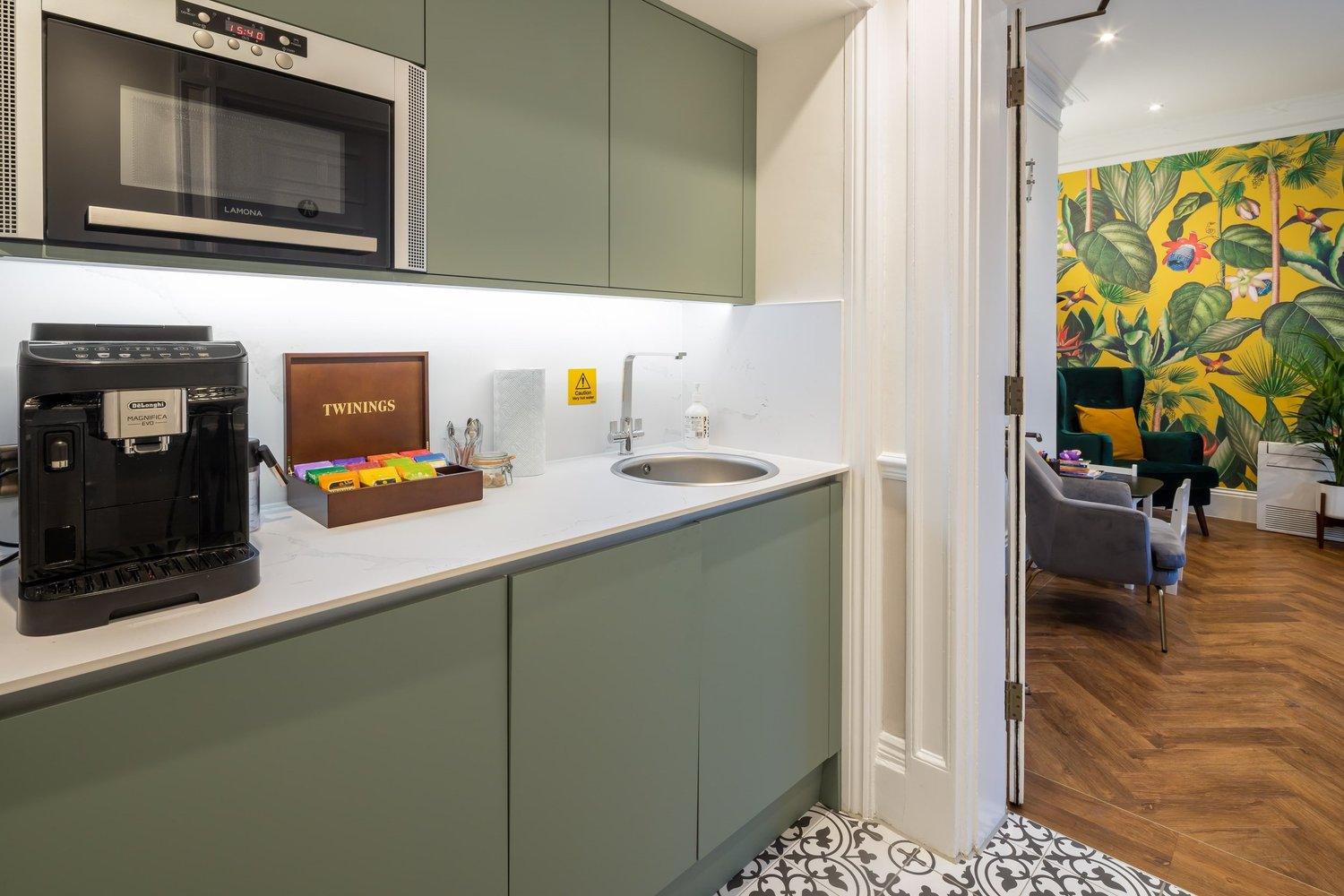
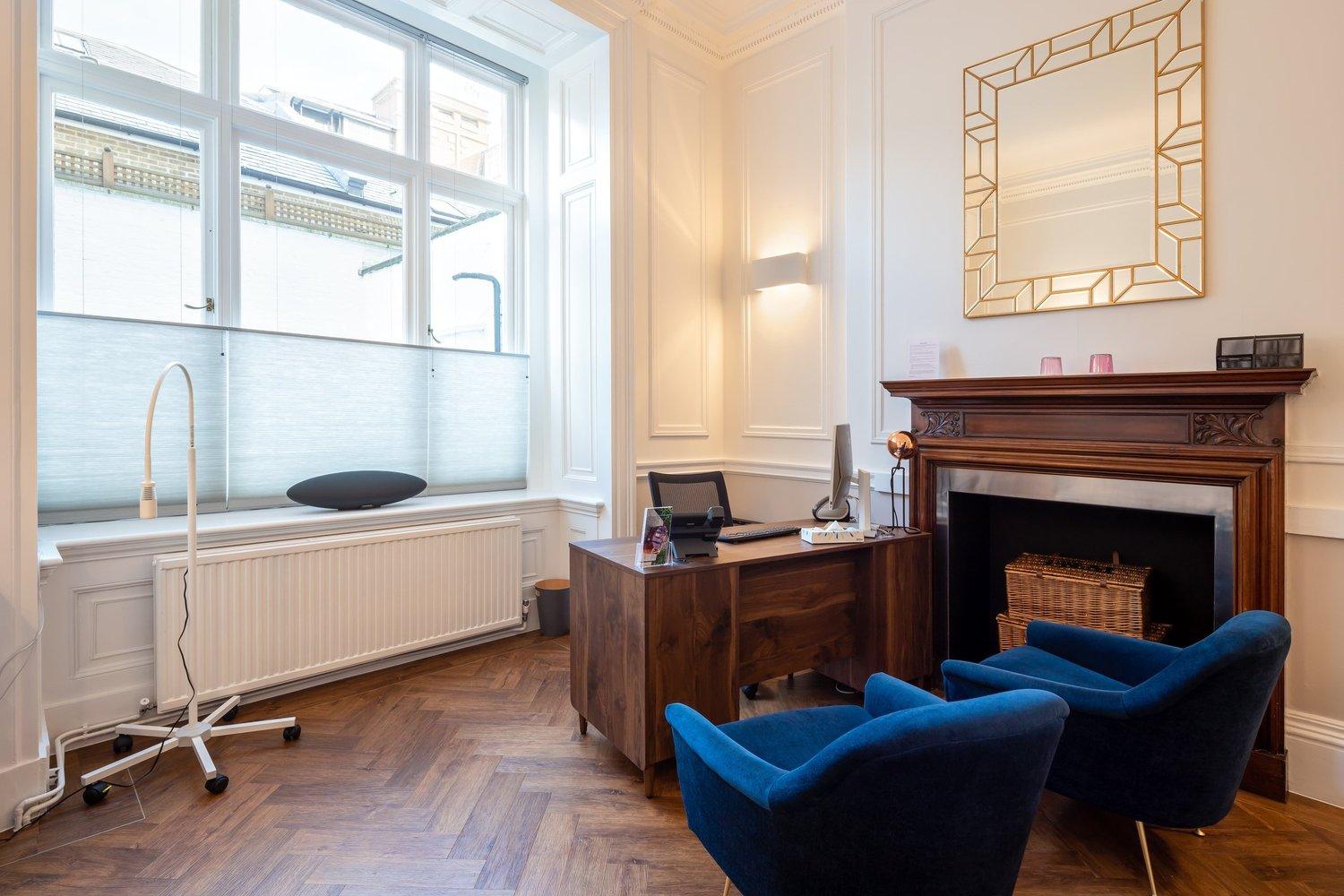
Healthcare interiors usually ask for two moods in one building. Treatment and consulting rooms need to look clean and properly lit, because a patient is judging hygiene and competence from them. Reception and waiting areas need to feel calm and welcoming, which normally means warmer light and a softer look.
The difficulty is that most clinical rooms are lit by cool LED panels that sit at a different colour from the daylight coming through the windows, and photographed straight they can look blue and a little harsh. I balance the colour so the whites read as white and the surfaces look the way they do in person, and I use supplementary lighting where a room needs it. In a treatment room I am aiming for something that looks clean and still looks like a comfortable place to sit.
In reception I would usually lean on the warmer fittings and whatever daylight there is, with the seating squared up and the desk cleared. Both looks come out of the same shoot and are finished to sit together as one set.
Healthcare
Timing a new clinic or a fit-out
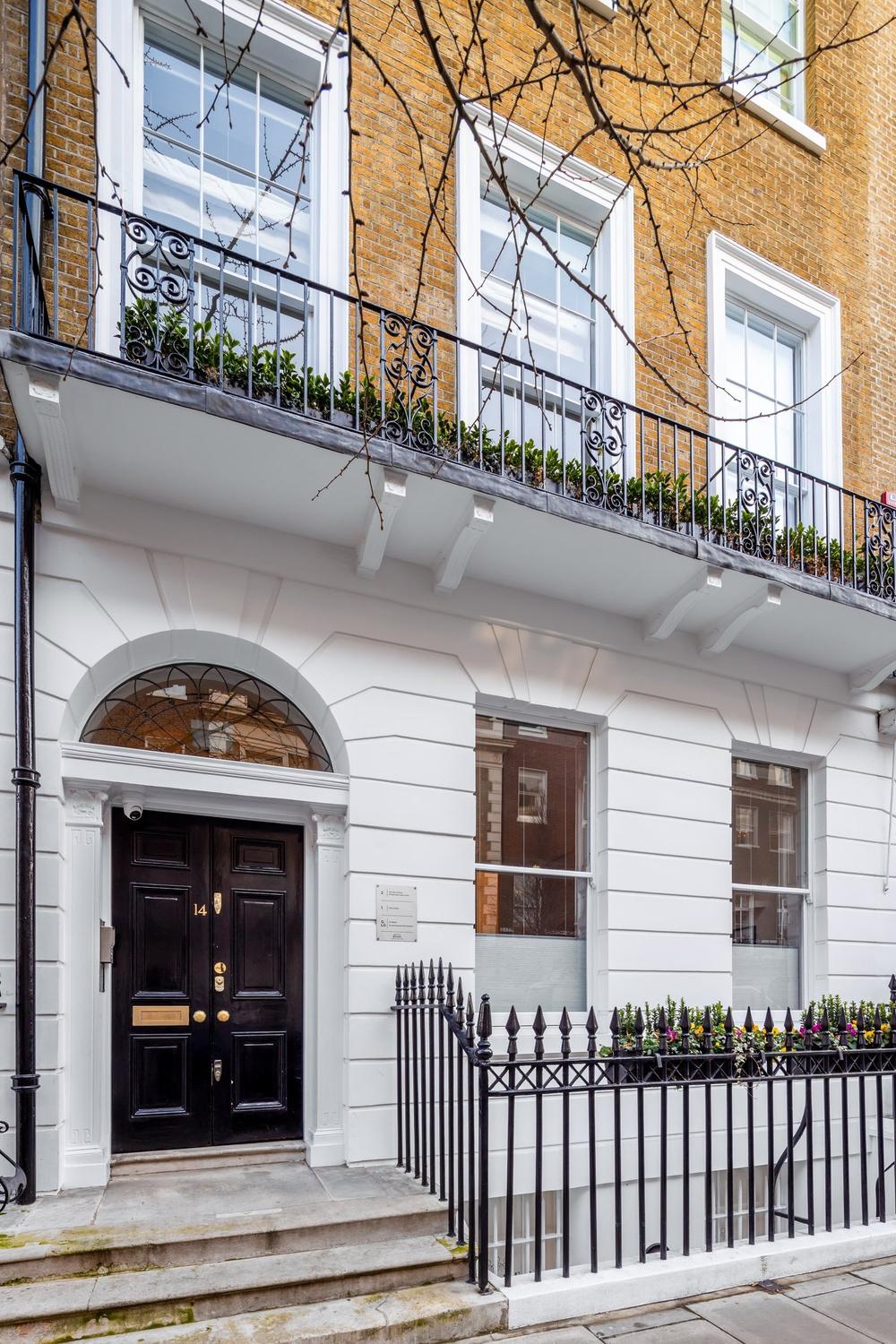
For a new clinic or a refurbishment, the best time is the gap between the end of snagging and the first patients. The rooms are finished and clean, nothing has been personalised yet, and there is no diary of appointments to plan around. If the programme is firming up, it is worth booking a provisional date early, because opening dates tend to move.
Preparation is mostly the same as for any building, and how to prepare a building for a photoshoot has the full list. The parts specific to clinics are taking the protective film off new equipment, putting away loose consumables and leaflet racks, moving any waste bags or boxes that can be moved, and checking every room has its lights working. One person on site with keys to every room saves a lot of waiting about.
Healthcare
What healthcare photography costs
Healthcare is priced the same way as every other sector on the rates page. £700 covers up to 20 final retouched images with up to 3 hours on site, and £1,200 covers up to 40 images with up to 6 hours, whichever comes first. Light retouching, a contact sheet to choose your images from and travel within London Zones 1 to 4 are included.
As a rough guide, a single practice with a reception, a waiting area and a handful of consulting or treatment rooms usually fits the £700 rate. A clinic over several floors, a site with a lot of specialist rooms, or one where I can only work between appointments is more likely to need the £1,200 day. Extra images from the same contact sheet are £50 each.
Clinic fit-outs often involve several companies who would all like the same pictures, typically the operator, the designer and the fit-out contractor. Your fee licenses the images for your own marketing, and each other company that wants to use them adds 30% of the invoice, arranged before invoicing. A half day shared with two other firms comes to £1,120 in total. The main client is billed and splits that with the others however they agree.
A 50% deposit, cleared at least 5 days before the shoot, secures the date, and the rest is due when you receive the contact sheet. If you have a clinic coming up, send me the address, roughly how many rooms there are and when the building is quiet, and I will come back with dates and a fixed price.
Common questions
Frequently asked
What is healthcare photography?
It is architectural and interiors photography of healthcare buildings such as clinics, practices and consulting rooms. It covers reception and waiting areas, consulting and treatment rooms, corridors and signage, and equipment in its setting, photographed so the design and the calm of the space come across, with no patients in the frame.
Is a healthcare photographer the same as a medical photographer?
Usually not, although the terms get mixed up. A medical or clinical photographer photographs patients and procedures for medical records and teaching. I photograph the building and its rooms for the operator, developer or designer, for websites, brochures and portfolios.
How much does it cost to photograph a clinic?
My rates are £700 for up to 20 final retouched images with up to 3 hours on site, or £1,200 for up to 40 images with up to 6 hours. Most single clinics fit the £700 rate. Extra images are £50 each and travel within London Zones 1 to 4 is included.
Can you photograph a clinic while it is open?
Yes, discreetly and to the clinic's own privacy rules, with timing and access agreed in advance so care is not disrupted. That might mean working before or after appointments, or taking rooms as they come free.
Who commissions healthcare photography?
Healthcare operators, developers, and the designers behind clinical and wellbeing spaces. Where several of them want the same images, an extended licence adds 30% of the invoice for each extra company.
Where to next