Journal · Fitness
How should a gym or fitness studio be photographed?
A gym or fitness studio is best photographed just before it opens, or in a quiet hour between classes, with the equipment lined up and clean and the feature lighting set the way the designer intended. Most single sites fit my £700 rate for up to 20 finished images, and a larger club with several studios and floors usually suits the £1,200 rate for up to 40.
Fitness
What gym photography covers
When I talk about gym photography I mean photographs of the space itself: the gym floor, the studios, the equipment zones, reception, changing rooms and any wellness areas. It is a different job from personal trainer portraits or workout content for social media, although people can still appear in the frame where it helps.
The people who commission it are usually the gym or studio operator, the interior designer who planned the space, or the developer or contractor who built it. The operator mostly wants images that sell memberships and carry the brand on the website and at launch. The designer and the fit-out firm tend to want the design and the finishes recorded properly for their own portfolio. One shoot can serve all of them if the shot list is agreed first. There is a summary of how I approach the sector on the fitness photography page, and Notting Hill Club is an example from the same category, photographed across its interiors and finishes in the space's own light.
Fitness
Shoot before opening, or in a quiet hour
The best time to photograph a new gym is the short gap after the fit-out is finished and before members arrive. The equipment is in, the floor is clean and nothing has been moved around yet. Once a gym is trading, plates end up on the wrong racks, mats get left out and the rubber floor picks up chalk and scuffs within a few days.
If the gym is already open, I plan the shoot around the class timetable. Early morning before the first sessions, or a gap in the middle of the day, usually gives a couple of hours with the studios empty. It helps to send me the timetable when you book.
New equipment often arrives with protective film on the screens and frames, and with packaging stacked in a back corridor that turns out to be in the best angle. It is worth having all of that cleared the day before. The general checklist in how to prepare a building for a photoshoot applies to gyms too.
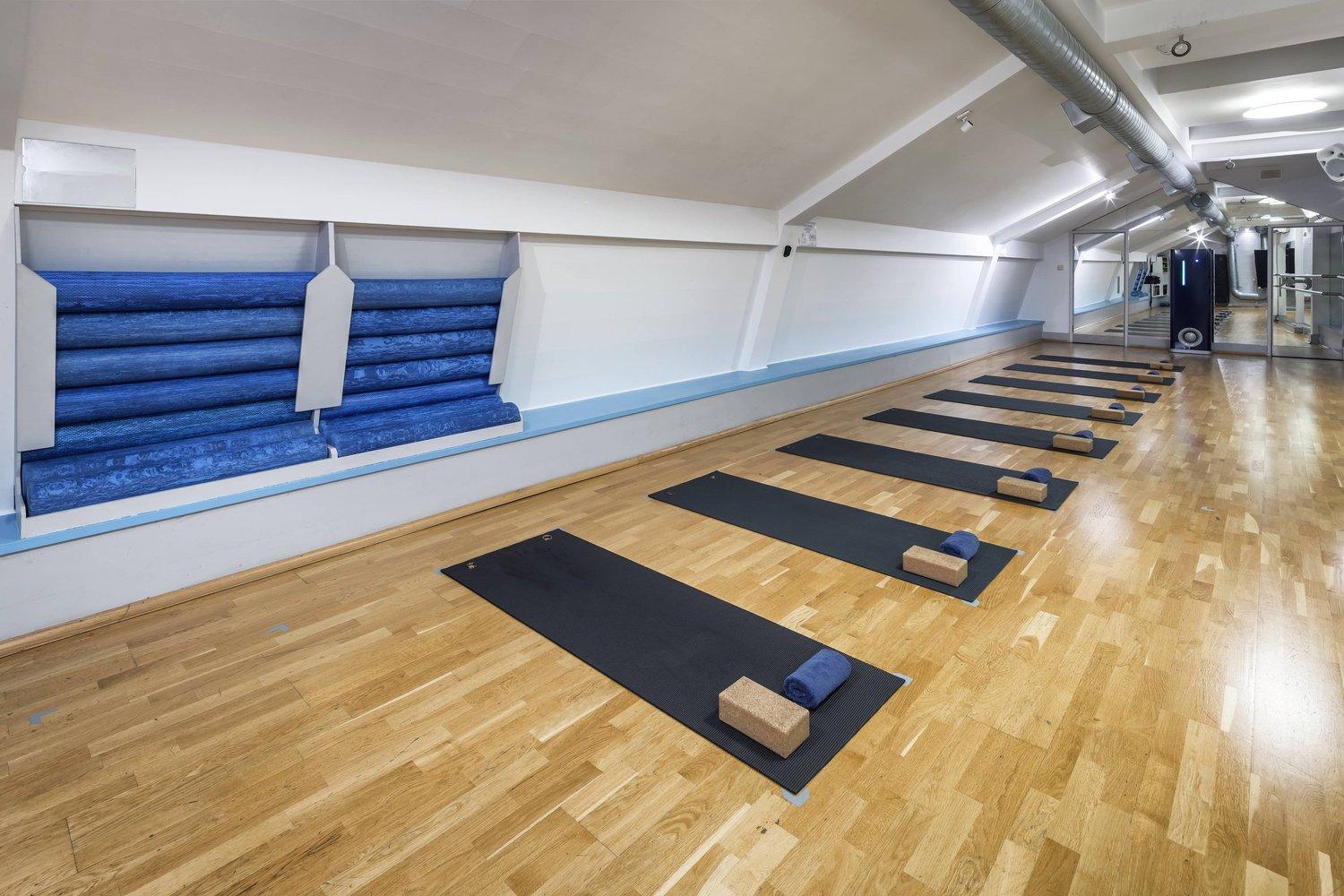
Fitness
Equipment lined up and clean
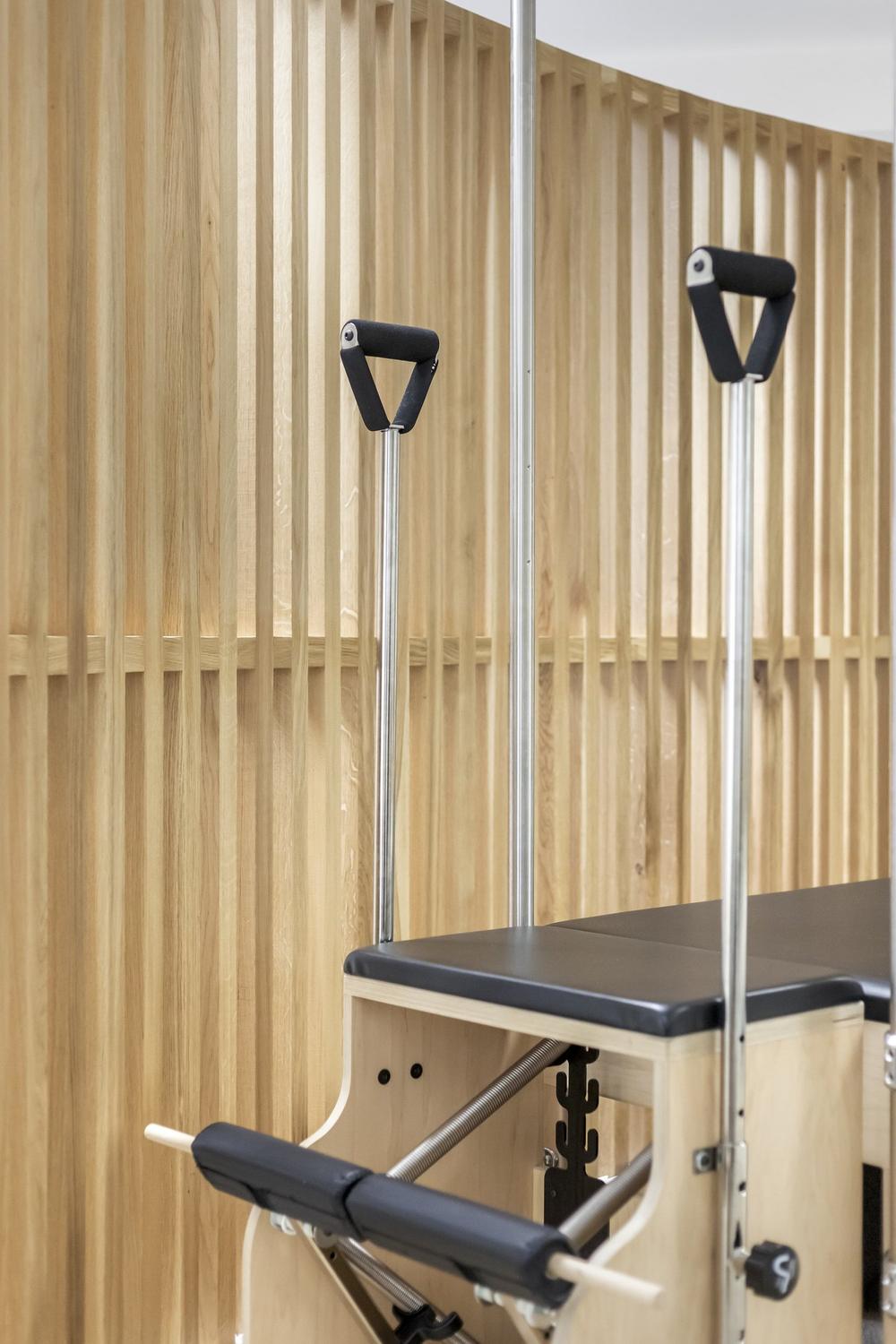
A gym floor photographs as a pattern, so small inconsistencies show up far more in a still than they do in person. A row of treadmills with one screen on and the rest off, or benches set at slightly different angles, makes the whole frame look untidy even though nobody would notice walking past.
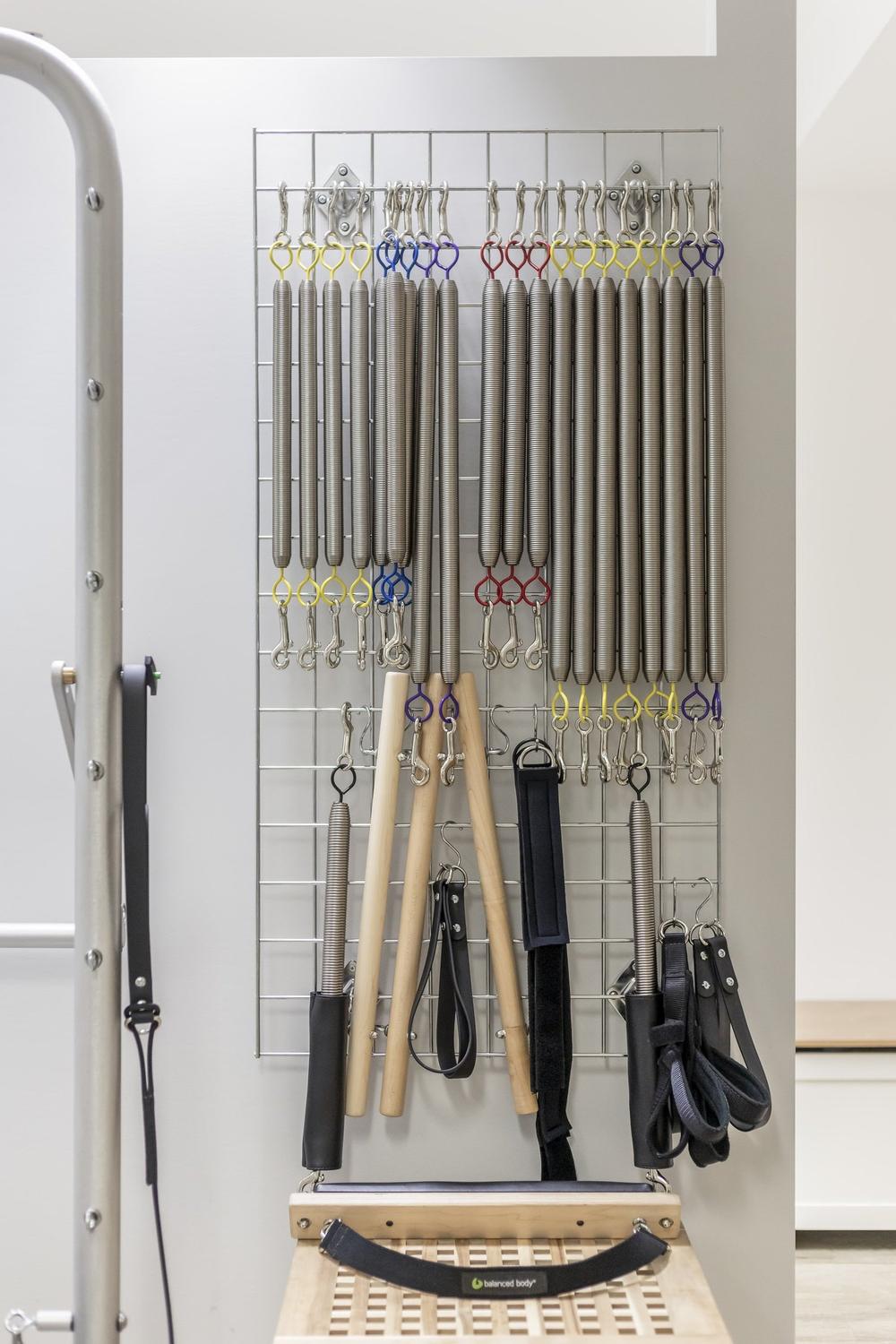
Before I start a zone I like to have someone from the gym with me who can move kit. The things I usually ask for are dumbbells back in order on the racks, plates on the right pegs, cable handles hung the same way, mats rolled or stacked, and cardio screens either all on or all off. Wiping fingerprints off mirrors and chrome, and running a mop over the rubber flooring, saves retouching afterwards.
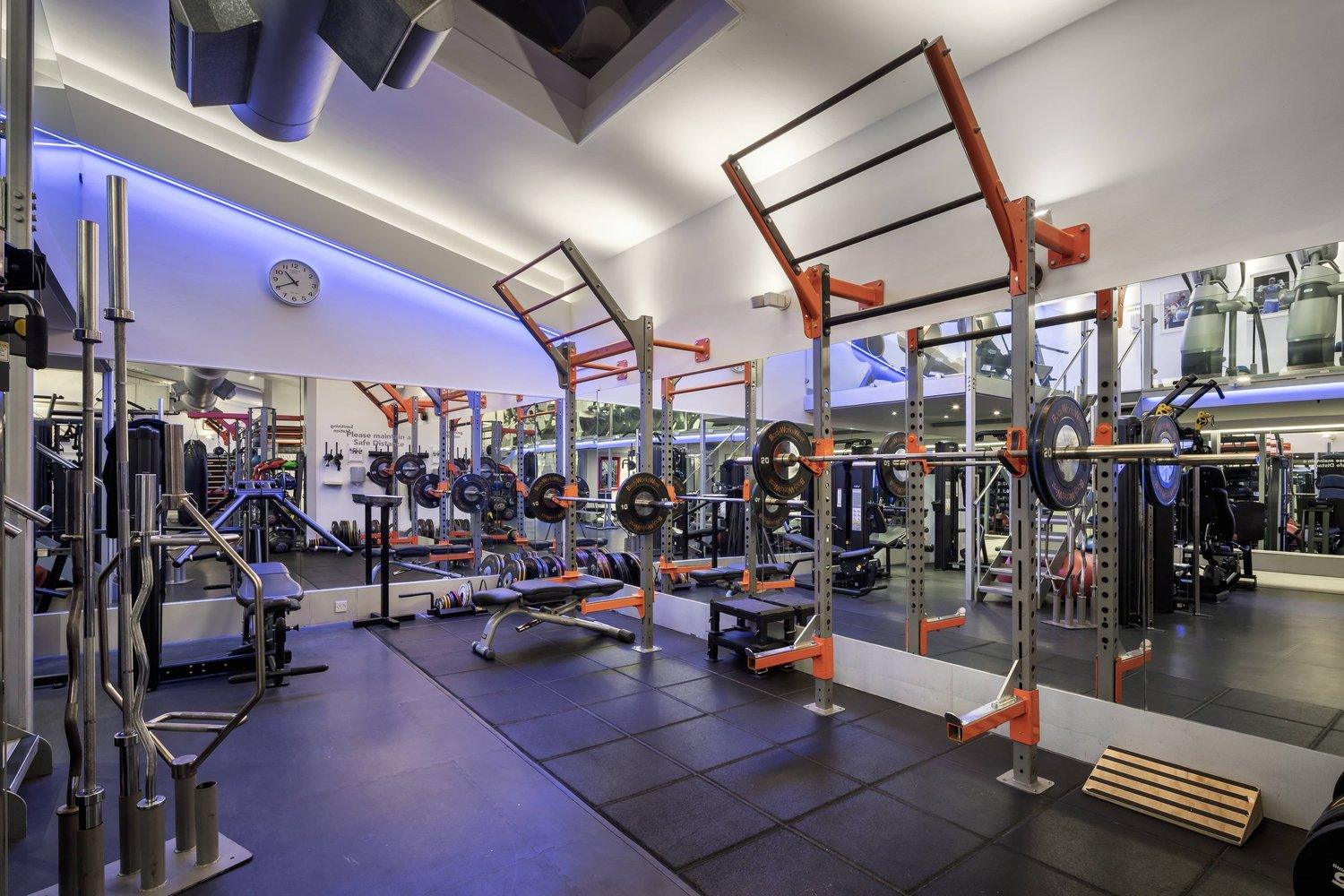
I also try to show each piece of equipment with the room around it. A squat rack photographed on its own looks like a catalogue picture. The same rack with the lifting platform and the mirror wall behind it tells a prospective member what training there is actually like, and it shows the designer's work.
Fitness
Lighting, coloured LEDs and mirrors
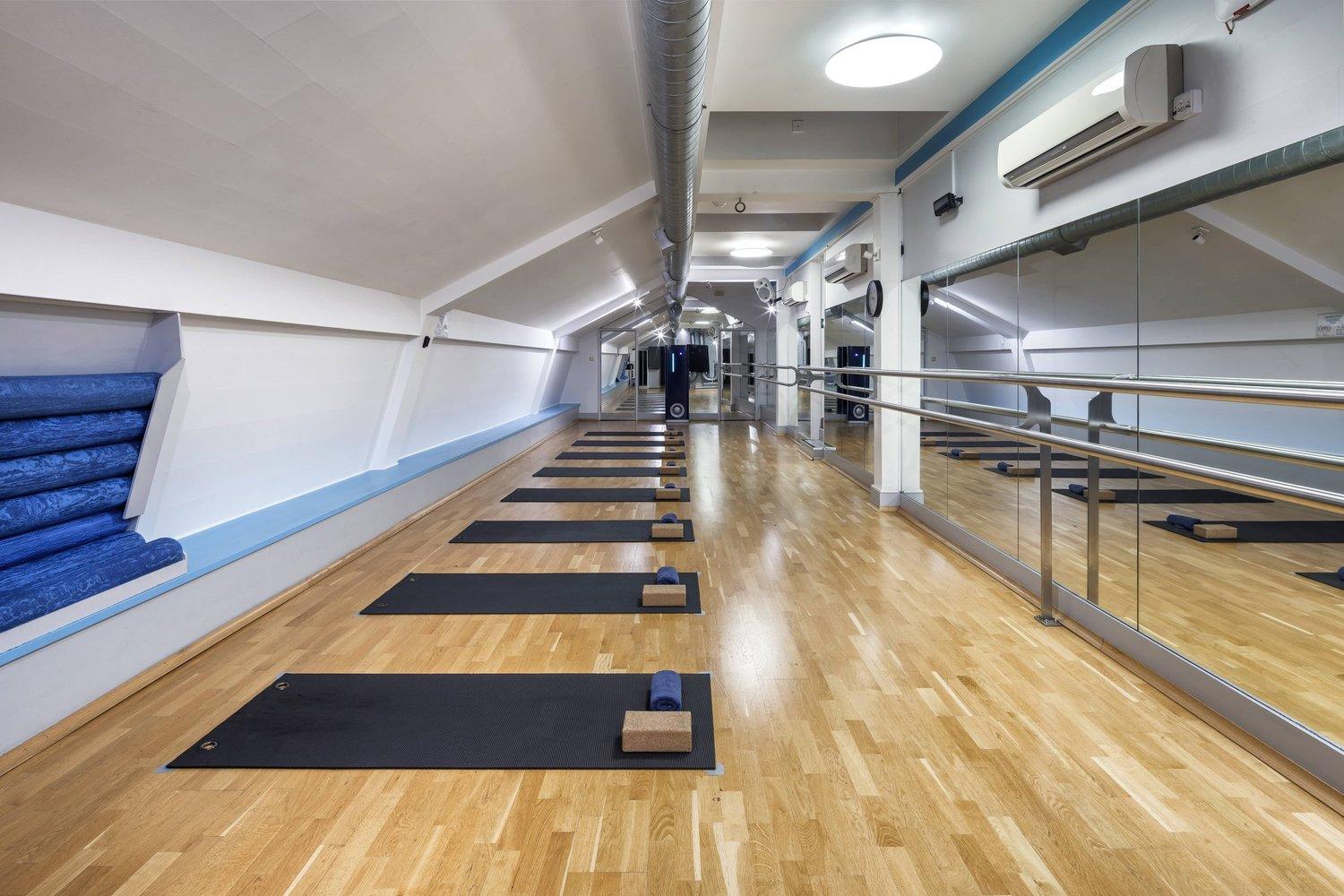
Gyms are often lit more dramatically than offices. Cycle and boxing studios in particular tend to be dark rooms with coloured LED strips, and gym floors often mix daylight from the windows with strip lighting and feature lighting along the walls. A camera can only set one white balance at a time, so I balance each area separately afterwards, keeping the coloured lighting where it is part of the design and making sure the walls, floor and equipment still look like their real colours.
It is worth telling me before the day which lighting scenes the studio uses. If a spin studio has a class setting and a cleaning setting, I would normally photograph it in the class setting, perhaps with the house lights brought up a little so the room still reads.
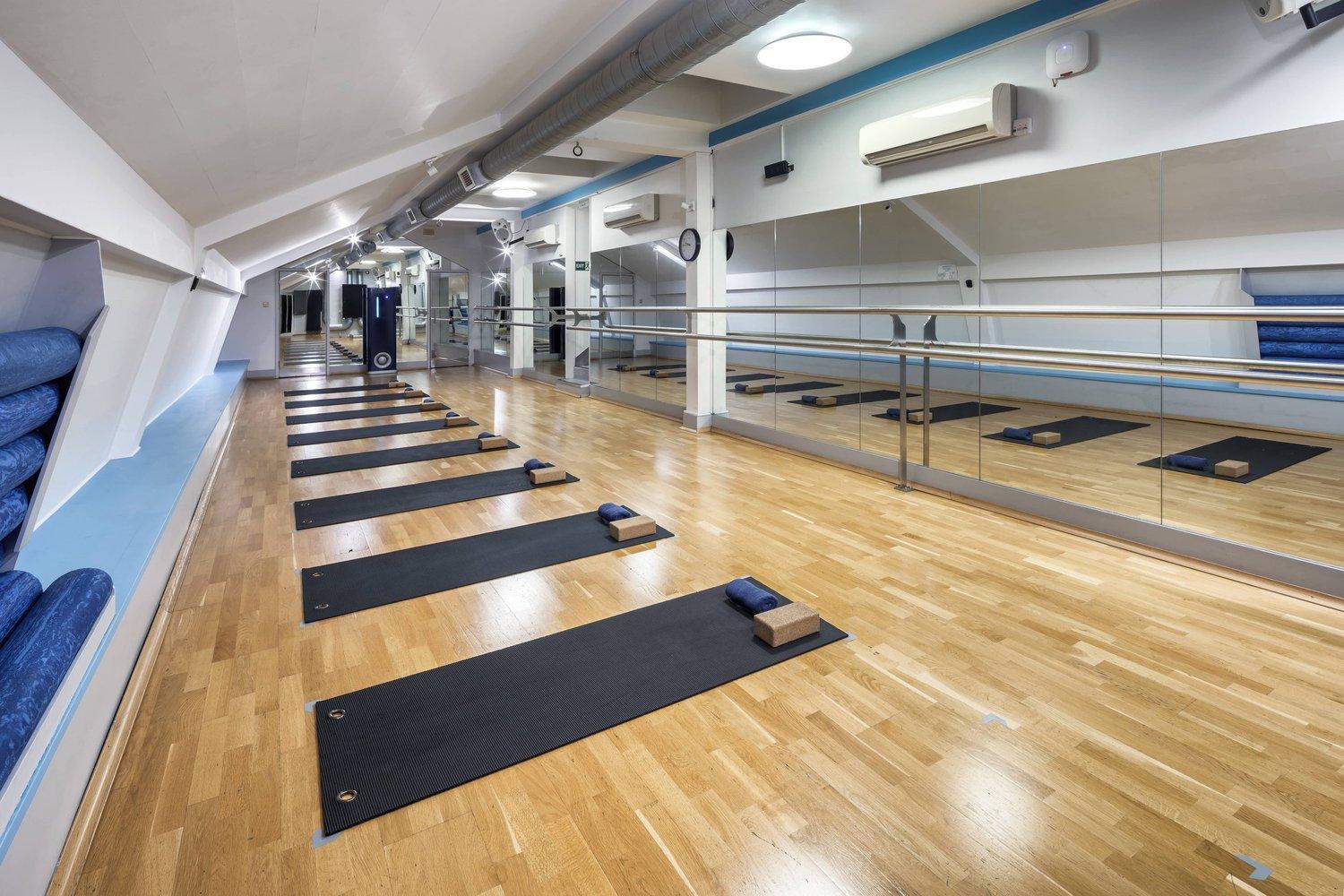
Mirrors are the other thing that slows a gym shoot down. A full mirror wall will show the camera, the tripod and me unless the angle is chosen carefully, so I usually shoot slightly off-axis to the glass. Used the right way, a mirror wall can make a small studio look as big as it feels in person, so it is normally worth keeping in the frame.
Fitness
People and movement, and when to leave them out
My usual answer is to include energy and movement where it helps and leave the space empty where it does not. A designer or fit-out contractor generally wants clean, empty frames that show the design. An operator selling memberships often wants a few frames with someone training, because an empty gym can look unused.
In practice that means a couple of staff members or trainers who have agreed to be photographed, briefed on what to do, rather than members in the middle of a session. A slightly longer exposure lets someone on a bike or a rower blur a little while the room stays sharp, which gives the image some movement without making the person the subject.
The trade-off is that a version with people and a version without each count as a final image. On the £700 rate that comes out of your 20, so I would suggest picking three or four setups for the people shots and keeping the rest empty.
Fitness
Changing rooms, reception and wellness areas
These are the spaces members ask about when they are choosing a gym, and they are the ones most often left until last on the day. Reception is the first thing a visitor sees and is often one of the most reused images in the set. Changing rooms need to be closed off for a short while and dressed properly, with towels folded, lockers shut, nothing left on the benches and the vanity mirrors clean, because tiled rooms with lots of mirror and chrome show every mark.
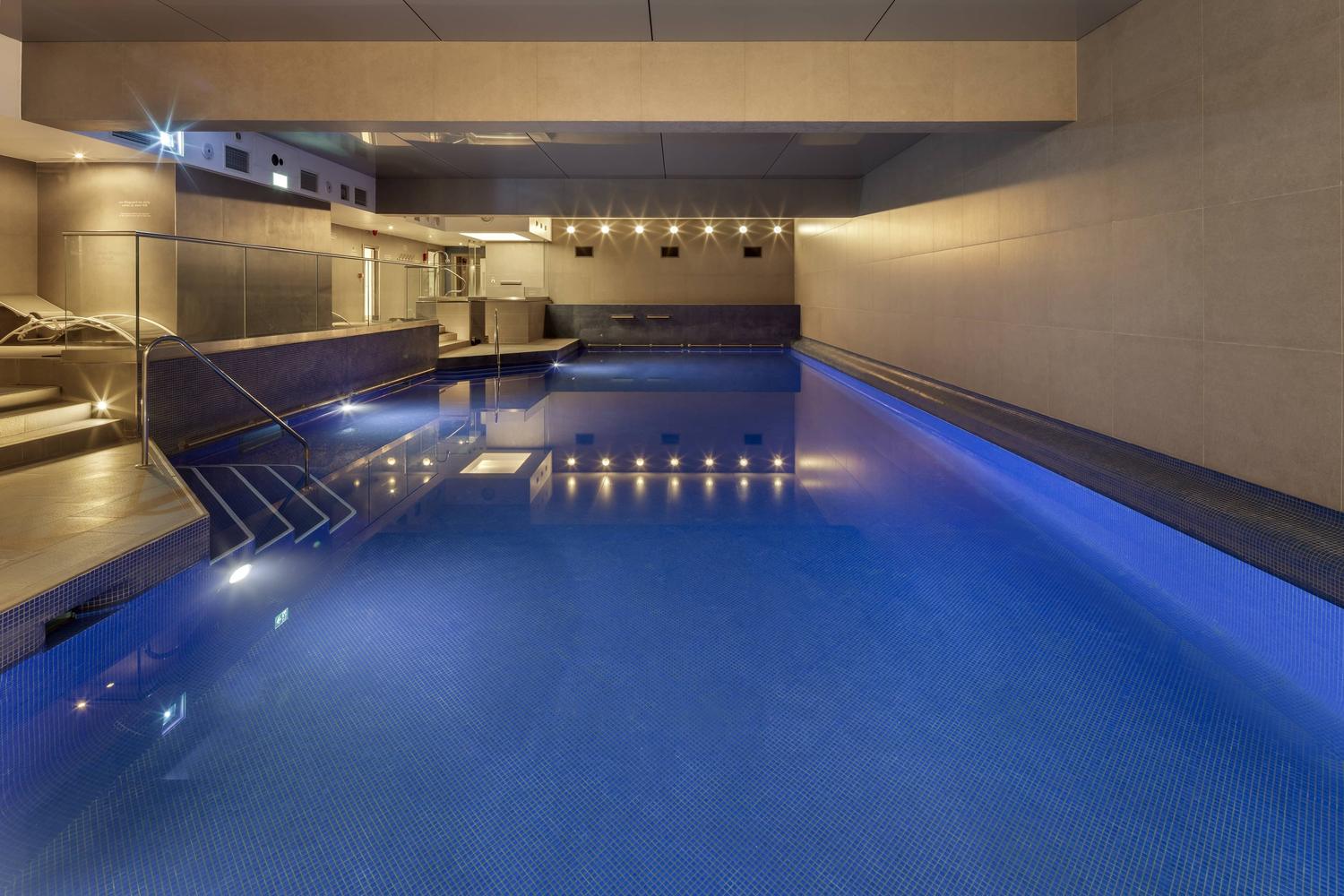
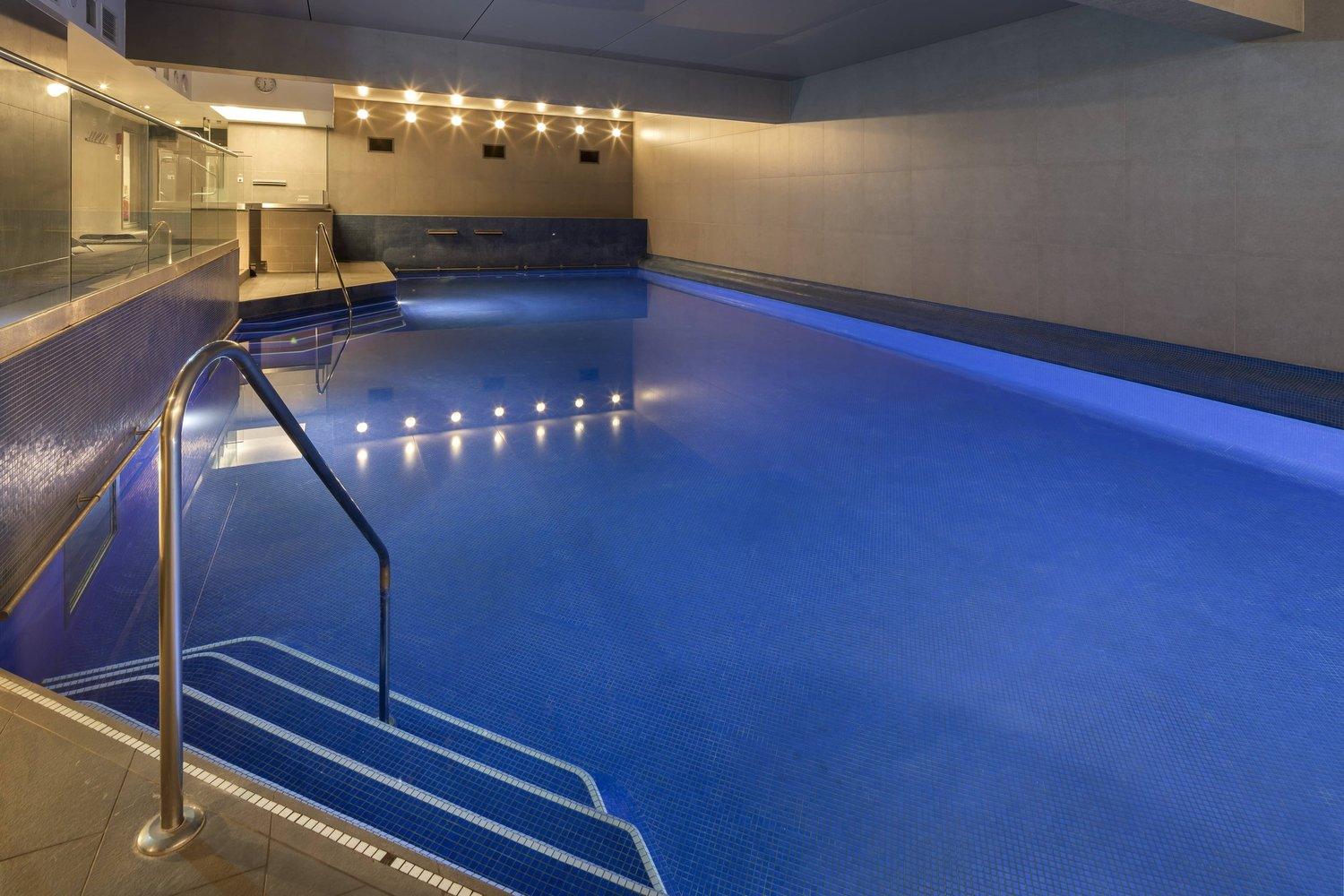
Wellness areas, such as a pool, treatment rooms or a stretching space, are normally lit much more softly than the gym floor and suit a slower, calmer set of frames.
Fitness
What it costs, and who can use the images
The same two rates cover gyms as every other sector. The £700 rate is up to 20 finished, retouched images with up to 3 hours on site, which suits most boutique studios and single-floor gyms. The £1,200 rate is up to 40 images with up to 6 hours, which is more realistic for a large club with several studios, a big gym floor and wellness areas. Extra images from the same contact sheet are £50 each, and travel within London Zones 1 to 4 is included. The full details are on the rates and licensing page.
Gyms are a good case for sharing the images. The operator, the interior designer and the fit-out contractor often all want the same photographs. Your fee licenses the images for your own marketing, and each other company who wants to use them adds 30% of the invoice, arranged before the main client is invoiced. A half day shared with two other firms comes to £700 plus 2 × 30%, so £1,120 in total, which the client can split however they like.
Booking is a 50% deposit, cleared at least 5 days before the shoot, with the rest due when you get the contact sheet. If you also want people to be able to look around the gym floor online before they visit, that is a 360 virtual tour, which the other company I run, Biztour, makes for businesses. To get a date in, send me the address, the opening date and roughly which spaces you want covered, and I will come back with a fixed price.
Common questions
Frequently asked
How do you photograph a gym?
Shoot it before it opens or in a quiet hour between classes, with the equipment lined up, mirrors and floors cleaned and the feature lighting set the way it is used for classes. Show each zone with the room around it, and add a few briefed people only where the images need some energy.
Is gym photography the same as fitness photography?
The terms overlap. In my work both mean photographing the space: gym floors, studios, equipment zones, changing rooms and wellness areas, for operators, designers and developers.
How much does gym photography cost in London?
My rates are £700 for up to 20 finished images with up to 3 hours on site, or £1,200 for up to 40 images with up to 6 hours. Extra images are £50 each and travel within London Zones 1 to 4 is included. Each additional company using the images, such as the designer or contractor, adds 30% of the invoice.
Should gym photos have people in them?
Some of them, usually. An operator selling memberships tends to want a few frames that show the space in use, while designers and contractors mostly want it empty. Staff or trainers who have agreed to take part work better than members mid-session.
When is the best time to photograph a fitness studio?
Just after the fit-out is finished and before members arrive, if you can. For a studio that is already open, early morning before the first class or a gap in the timetable usually gives enough time with the room empty.
Where to next