Journal · Retail
How should a retail store be photographed?
A store photograph has three jobs at once: show the architecture, show the merchandising, and make somebody want to walk in. Shoot it before opening, fully stocked.
Retail
Three jobs in one frame
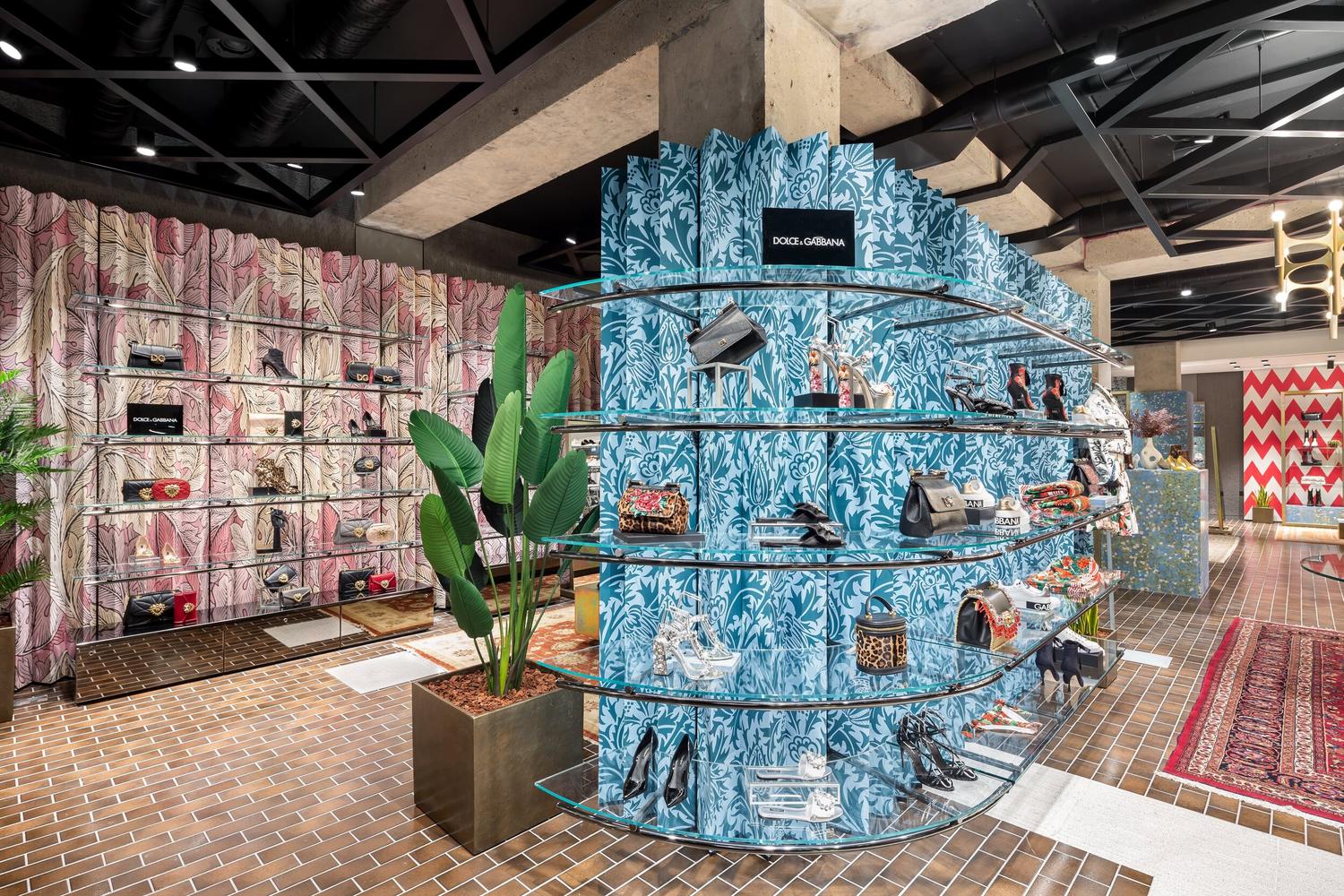
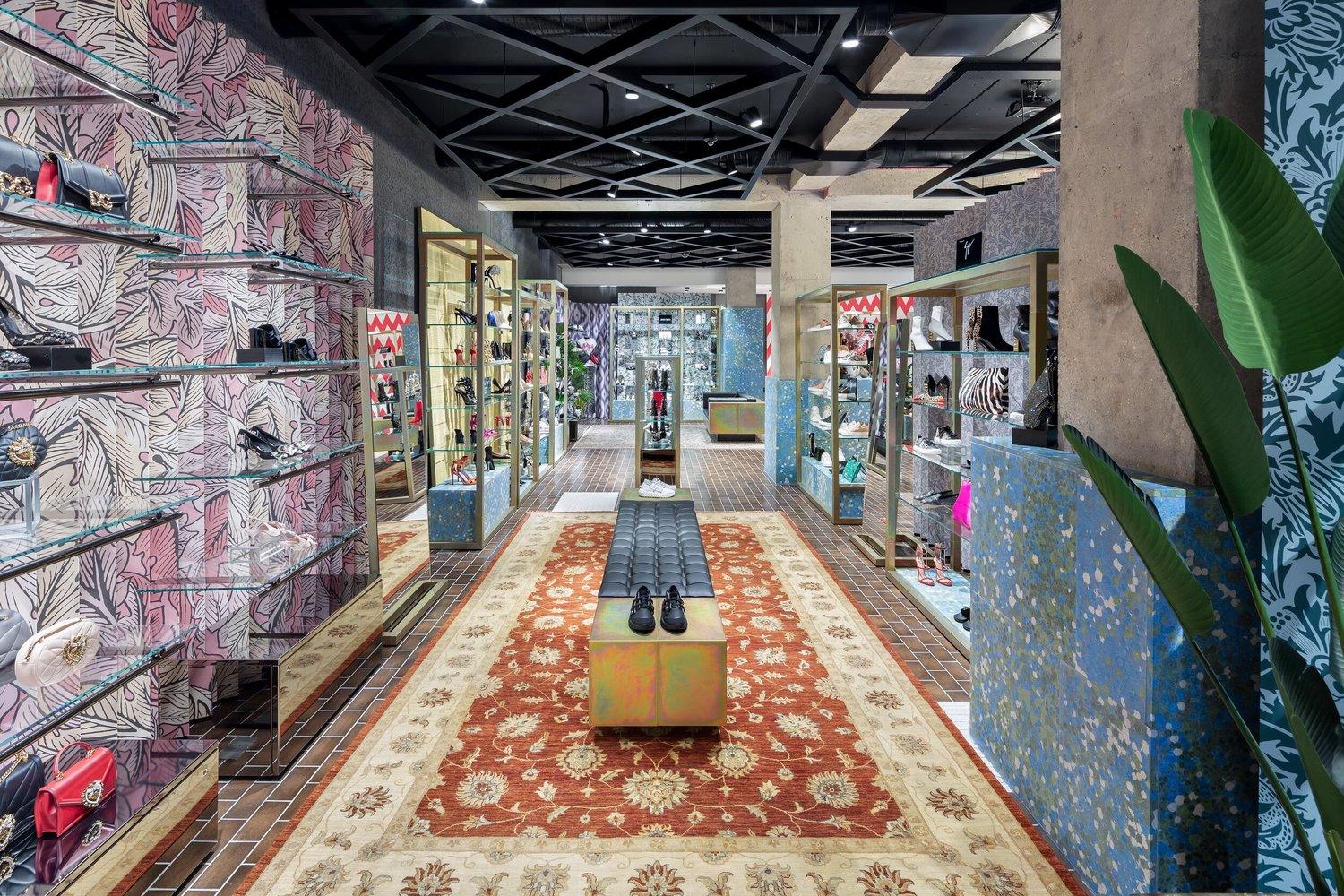
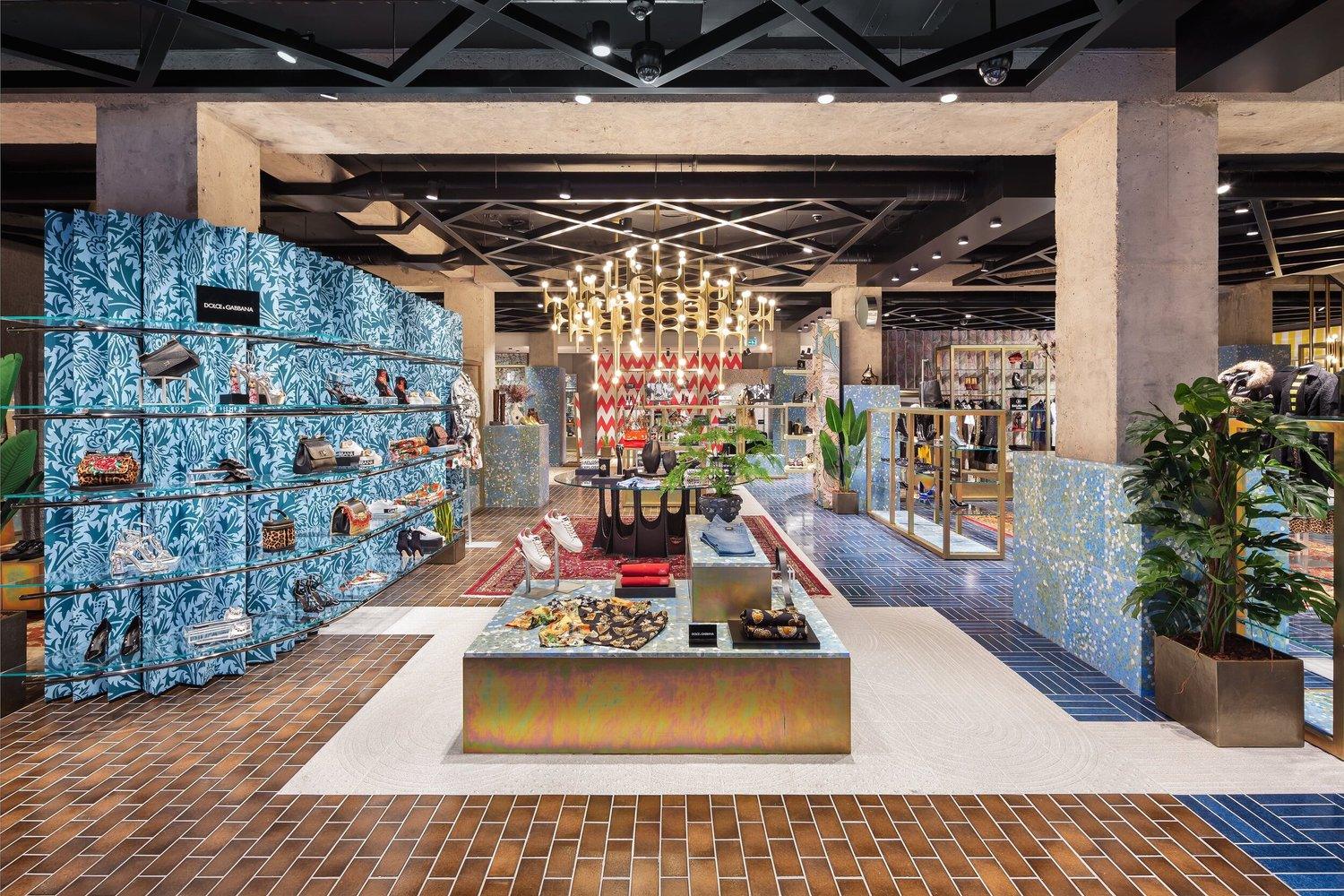
Retail images get used by more people than almost any other kind of interior photography. The designer wants the architecture and the materials. The brand wants the merchandising and the product looking right. The landlord or agent wants the unit and the footfall. A good store shot serves all three without looking like a compromise.
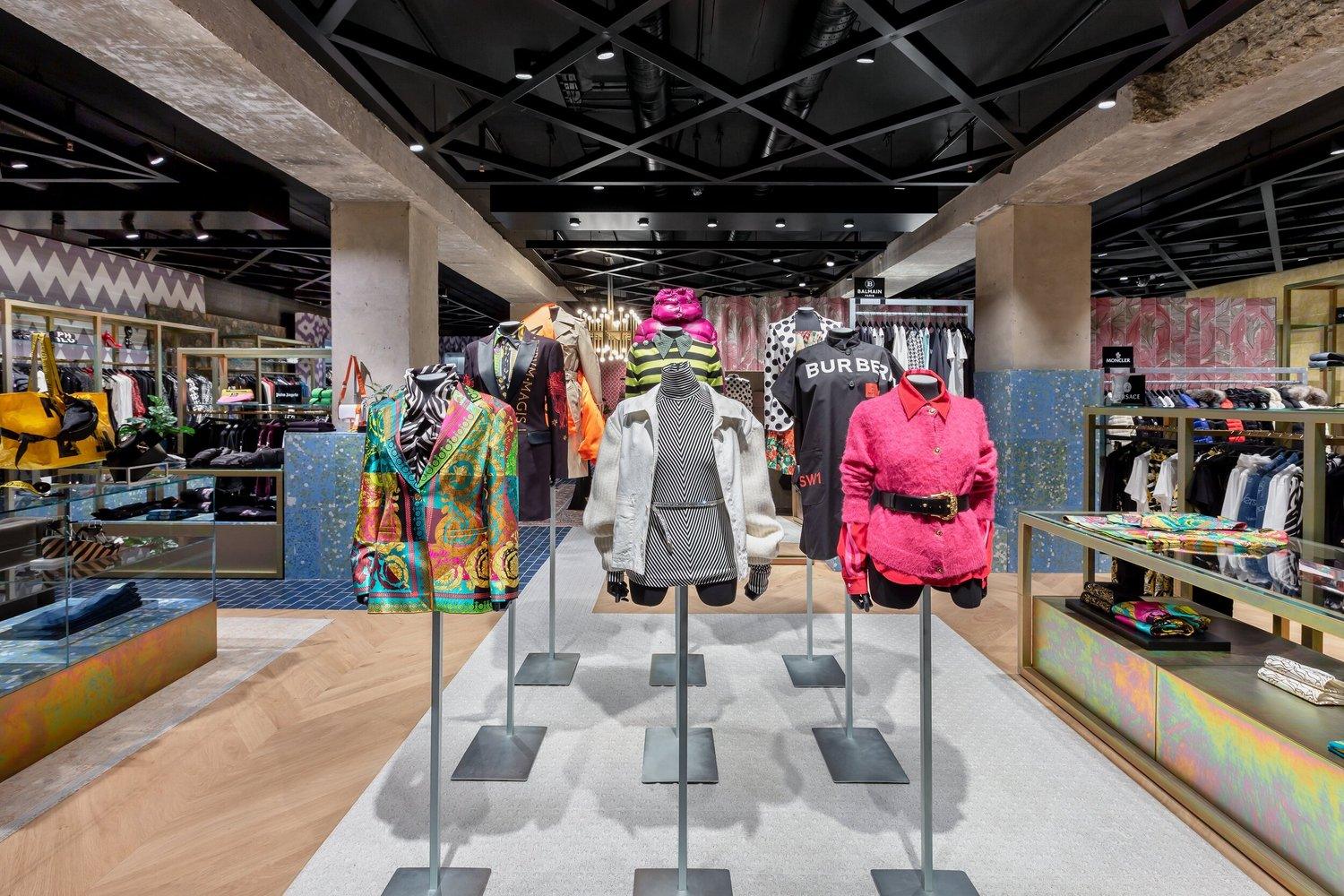
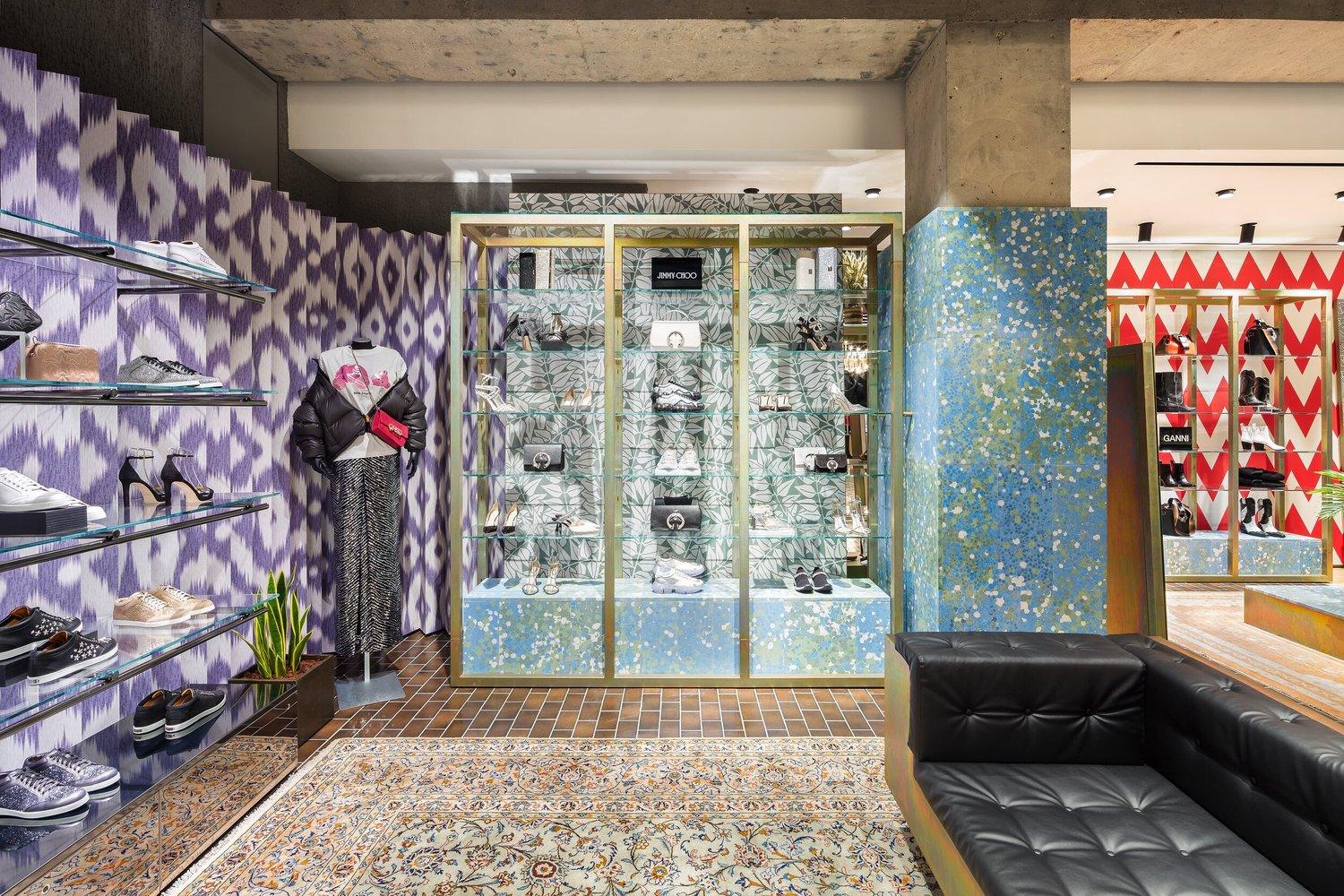
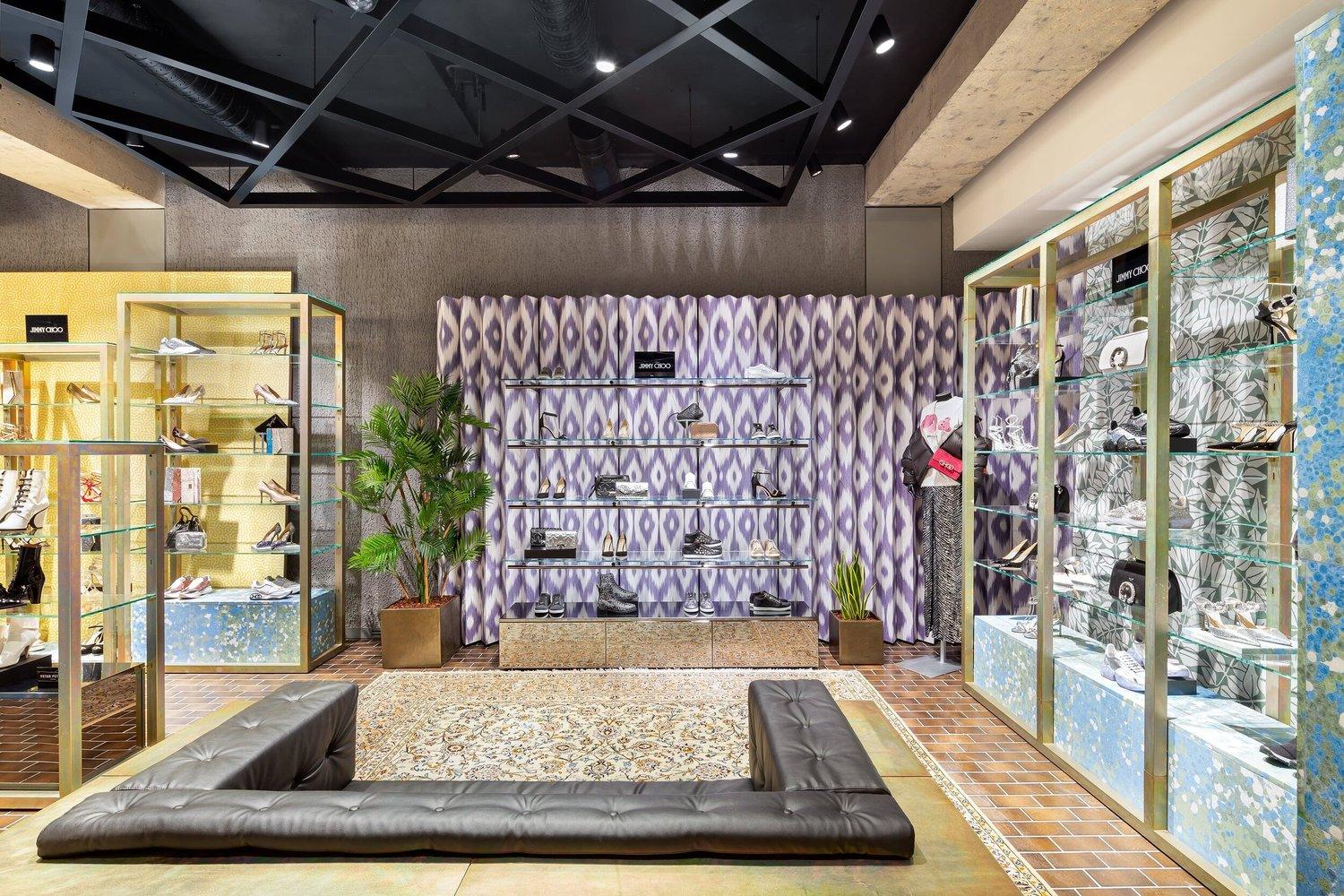
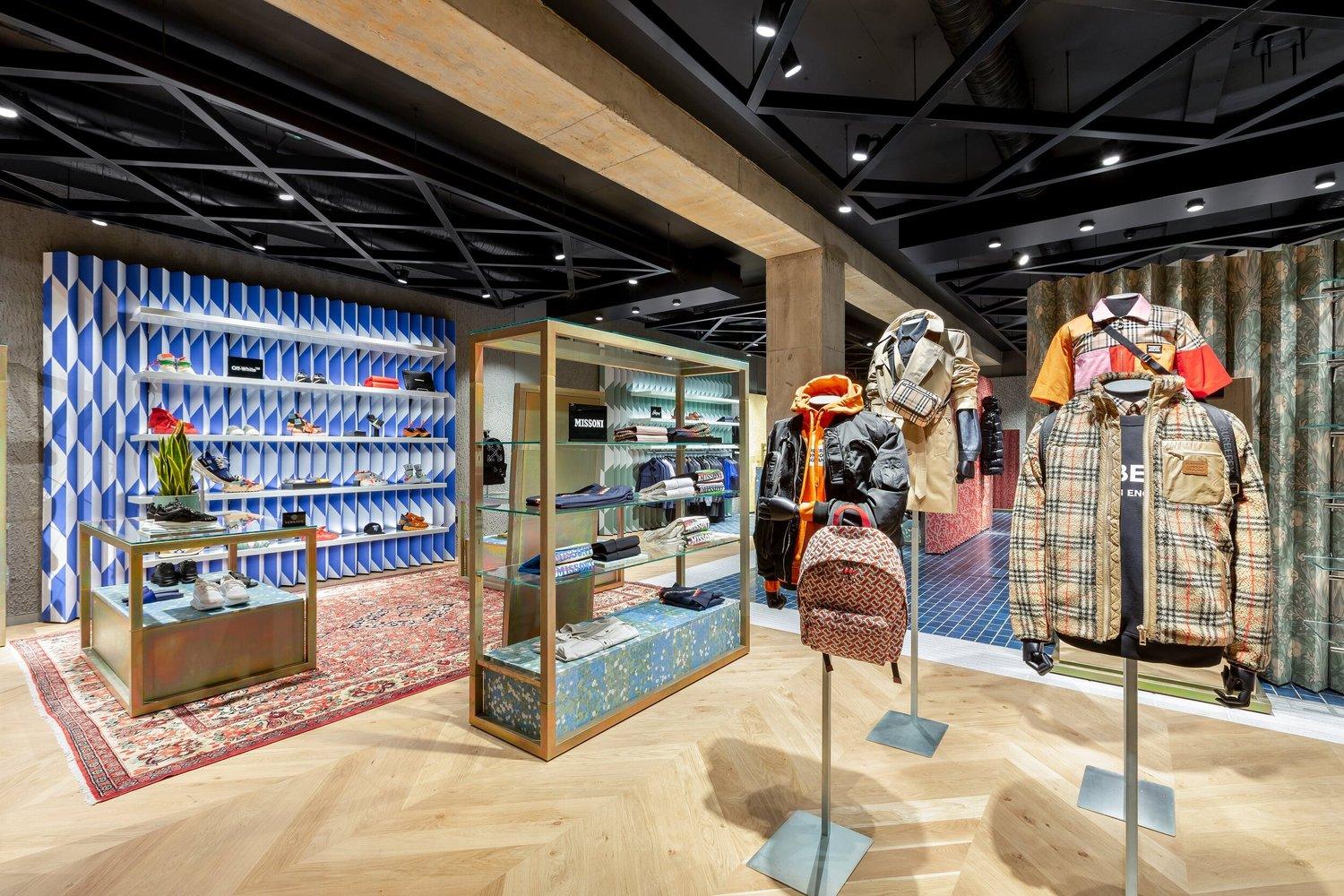
In practice that means the wide views need to be architecturally correct, verticals held and proportions honest, and the closer frames need to treat the product as carefully as a product photographer would, with rails faced properly, folded stock squared, and nothing half-hung or askew in a shot that will be reused for years.
Retail
Shoot before opening, fully merchandised
The best window is early morning before the doors open, with the store fully stocked and faced up as if trading. You get clean sightlines, controlled lighting, and no customers to work around or ask permission from, and no risk of a shopper wandering into a long exposure and blurring across the frame.
Have the visual merchandising team on site if you can. Retail displays photograph differently from how they look in person, a rail that looks fine to a passing customer can look uneven or gappy in a still, static photograph, and someone who can straighten a rail or restock a shelf between frames saves a lot of retouching later.
Retail
Shopfront glazing has its own set of problems
Large expanses of glass at the front of a store create reflections of the street, the opposite building, and often the photographer, all of which can dominate a shot that is supposed to be about what is inside the window. Camera angle and position matter more here than almost anywhere else in a retail shoot: shooting slightly off-axis rather than square on to the glass, and choosing the time of day carefully, usually avoids the worst of it, since direct reflections move as the sun does.
Overcast conditions or the flatter light of early morning tend to make shopfront glazing far more cooperative than bright midday sun, which is one more reason a store shoot with some flexibility around timing tends to come back stronger than one booked at a fixed hour.
Retail
Details that earn their place
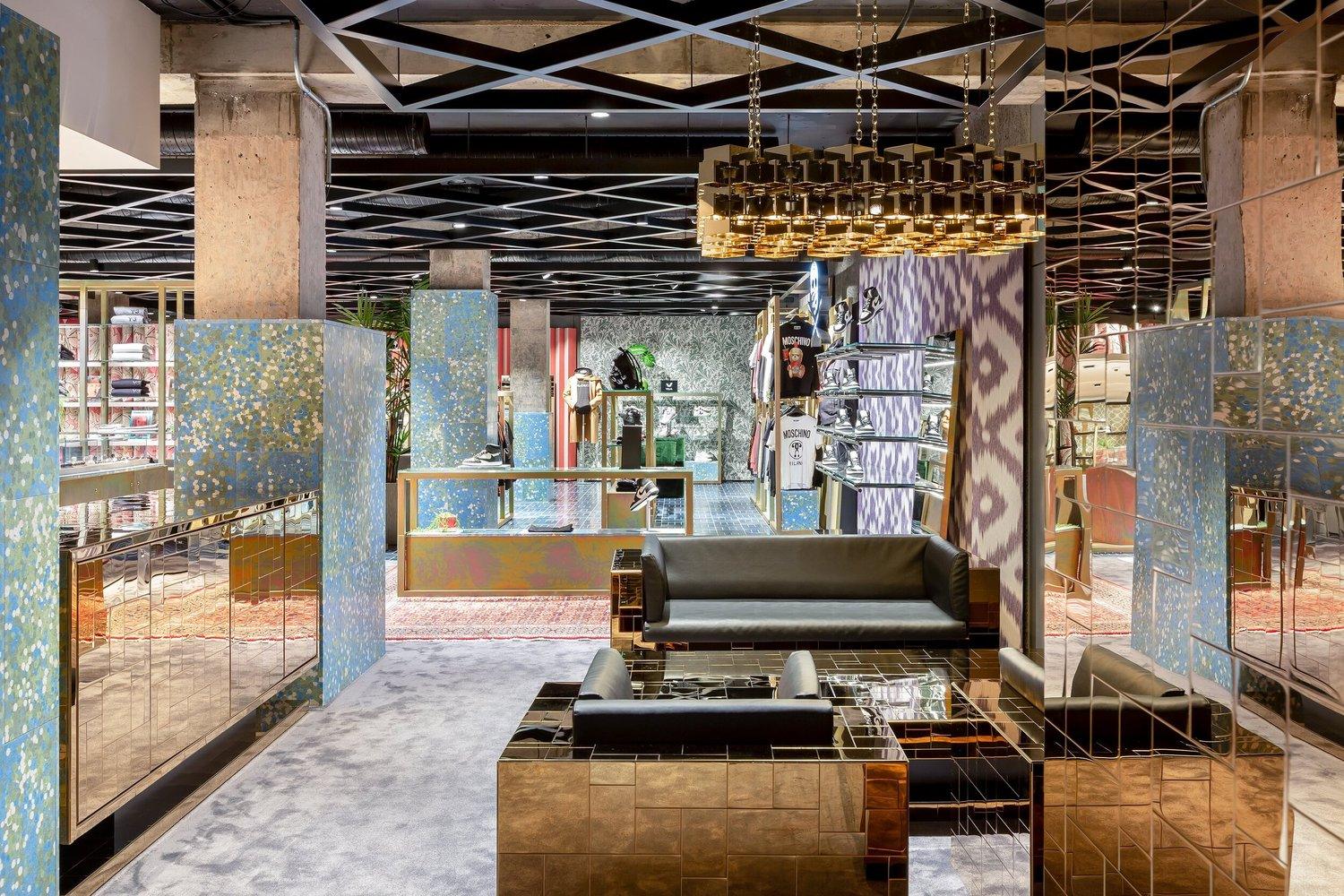
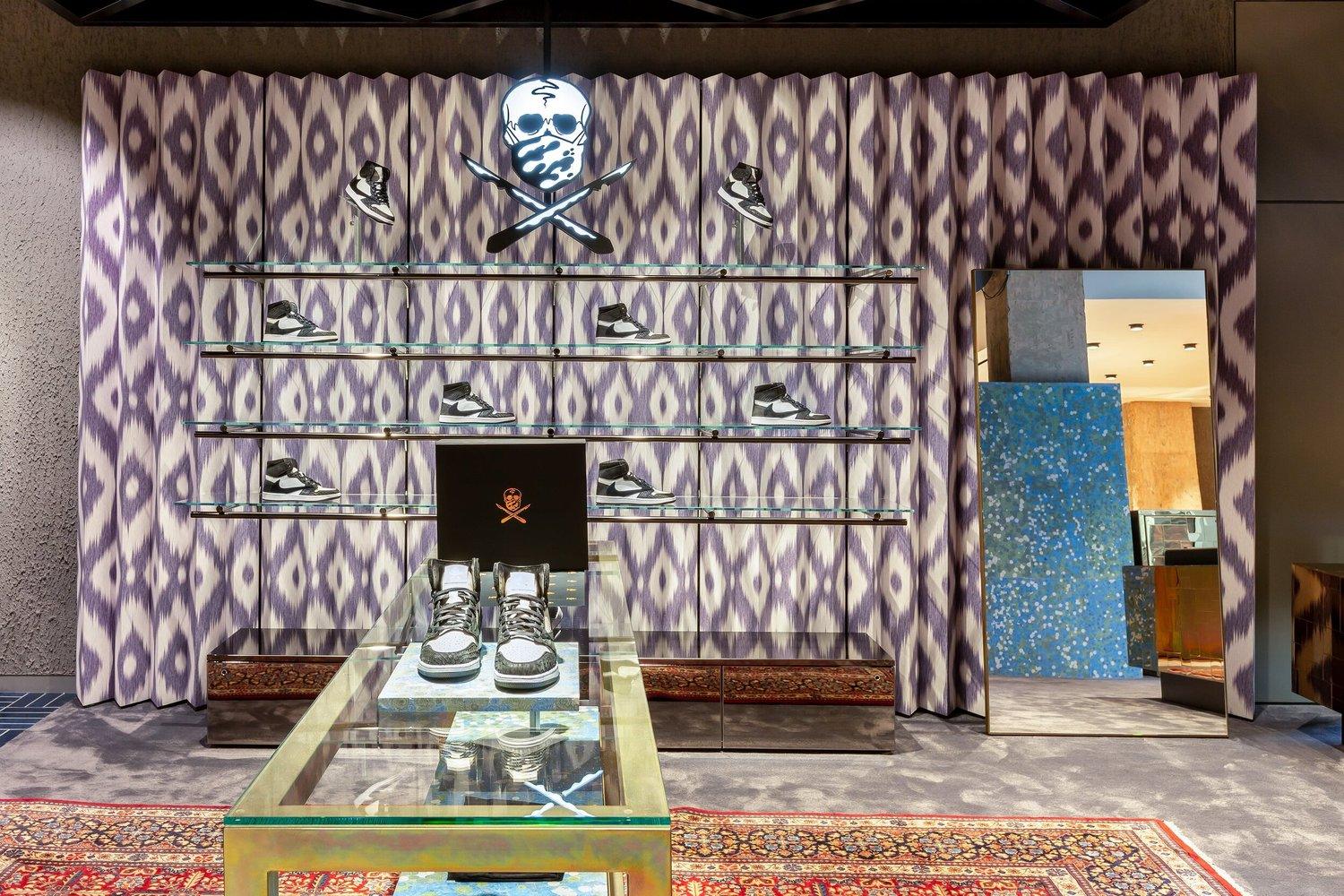
The frames that get reused most are usually not the widest ones. They are the shopfront and signage from the street, the entrance threshold, the fitting rooms, the till point, and the material junctions the designer sweated over: a brass edge, a terrazzo return, the way the flooring changes.
Retail
Rollout consistency for multi-site brands
For brands with a rollout, consistency matters more than novelty: the same camera heights, the same angles for equivalent spaces, the same treatment in retouching, so twenty stores read as one estate rather than twenty different photographers' opinions of the same brand. That usually means working from a fixed shot list per store type rather than treating each visit as a fresh creative brief.
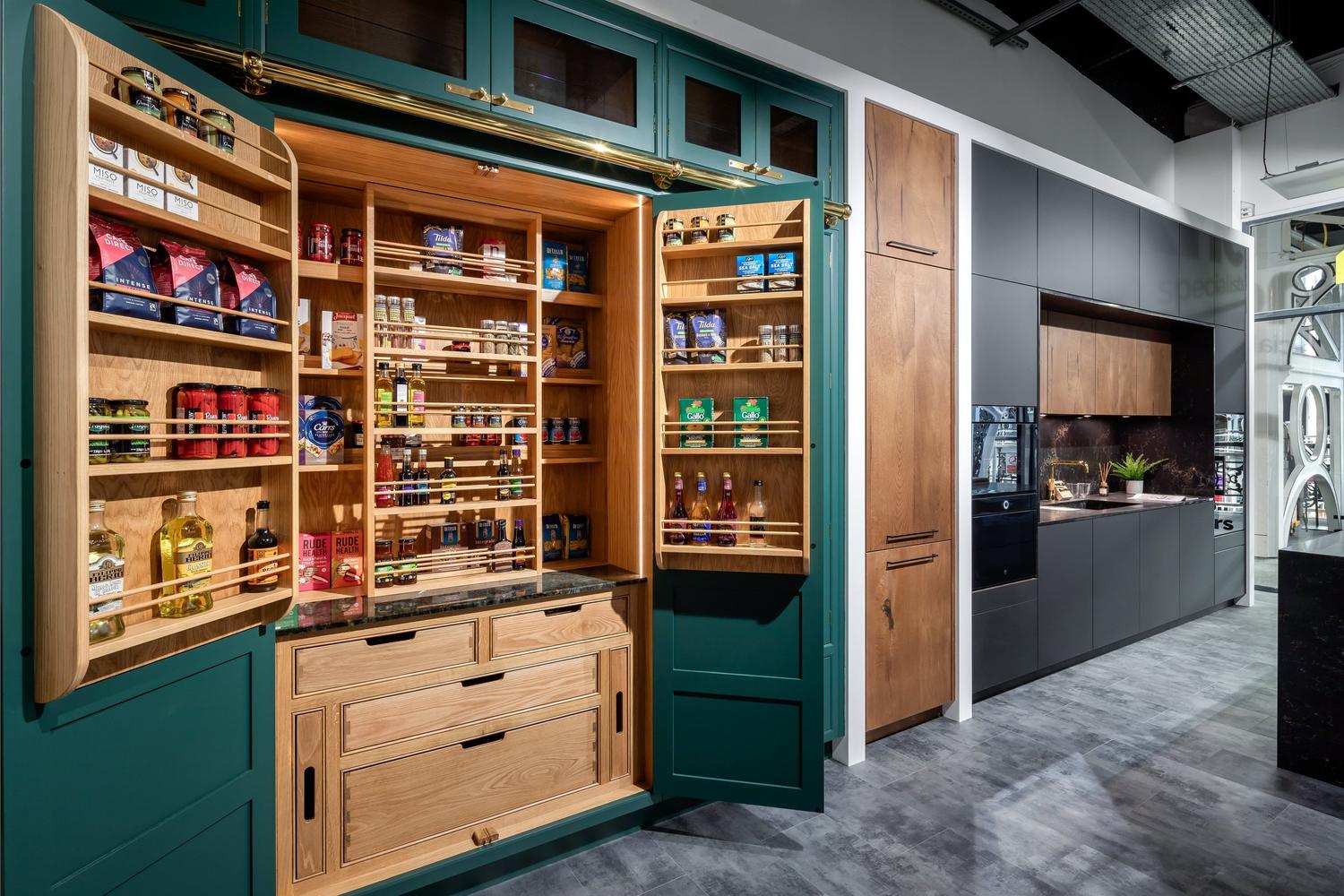
That is also true of showrooms, where the product and the space have to be photographed as one thing, and a brand with several locations needs the same discipline applied so a customer comparing two showrooms online is comparing the actual spaces, not two different photographic styles.
Retail
When a store is worth re-photographing
Retail fit-outs age faster than most architecture, because a refit, a new season's window display, or a rebrand can change how a store actually looks well before the building itself is due anything like a full renovation. A photography set that is two seasonal refits out of date stops representing the store honestly, even though nothing about the architecture has changed.
It is worth treating retail photography as something to revisit on a cycle tied to merchandising and refit changes, rather than as a single one-off commissioned at opening and never repeated, particularly for a flagship unit that carries a disproportionate share of a brand's marketing.
Common questions
Frequently asked
When is the best time to photograph a retail store?
Early morning before opening, with the store fully stocked and faced up as if trading. You get clean sightlines and controlled lighting with no customers in frame.
What should be prepared before a store photoshoot?
Full merchandising as if trading, clean glass and floors, working lighting including display and accent lights, and ideally a visual merchandising contact on site who can adjust displays between frames.
Do you photograph shopfronts as well as interiors?
Yes. The shopfront and signage from the street is usually one of the most reused images in a retail set, alongside the entrance threshold and the interior wides.
How do you deal with reflections in shop window glass?
Mostly through camera position and timing: shooting slightly off-axis rather than square on to the glass, and favouring overcast conditions or early morning light, both of which reduce the direct reflections that bright midday sun tends to create.
How do you keep photography consistent across multiple store locations?
By working from a fixed shot list per store type, using consistent camera heights and angles for equivalent spaces, and applying the same retouching treatment across every location, so the estate reads as one brand rather than several different photographic styles.
Where to next