Journal · Residential
How is a residential development photographed?
A residential scheme is sold on more than the flats. Buyers are buying the amenity space, the arrival, the view, and the street, so all of it needs photographing.
Residential
What actually sells a scheme
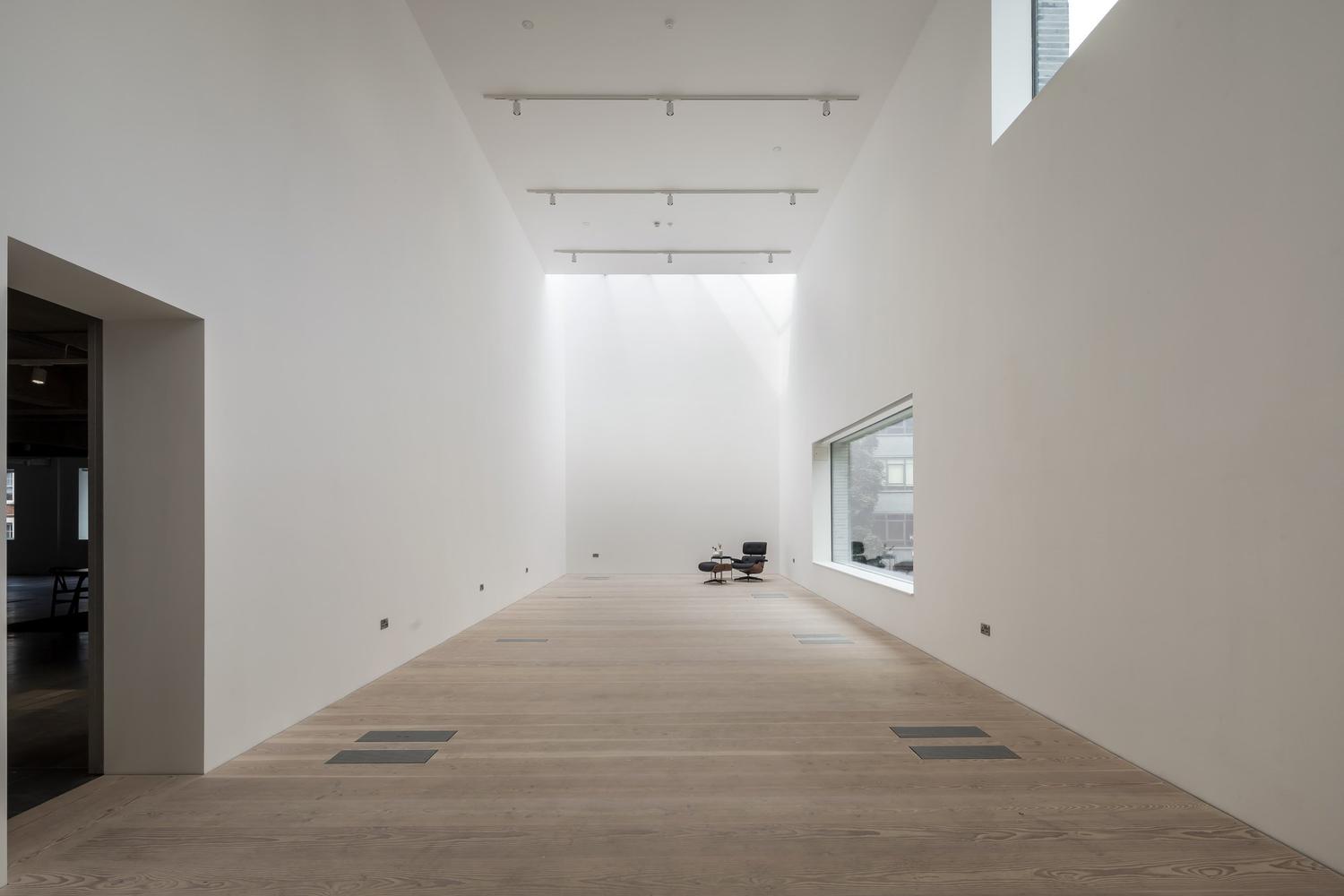
The unit interiors matter, but they are rarely what decides a buyer. The images that do the heavy lifting are usually the arrival sequence, the amenity space, the view from the upper floors, and the building in its street.
That is because buyers are choosing a way of living as much as a floor area. A residents' lounge that looks genuinely usable, or a roof terrace with a real London view, is worth more in a brochure than another angle of the same kitchen.
Residential
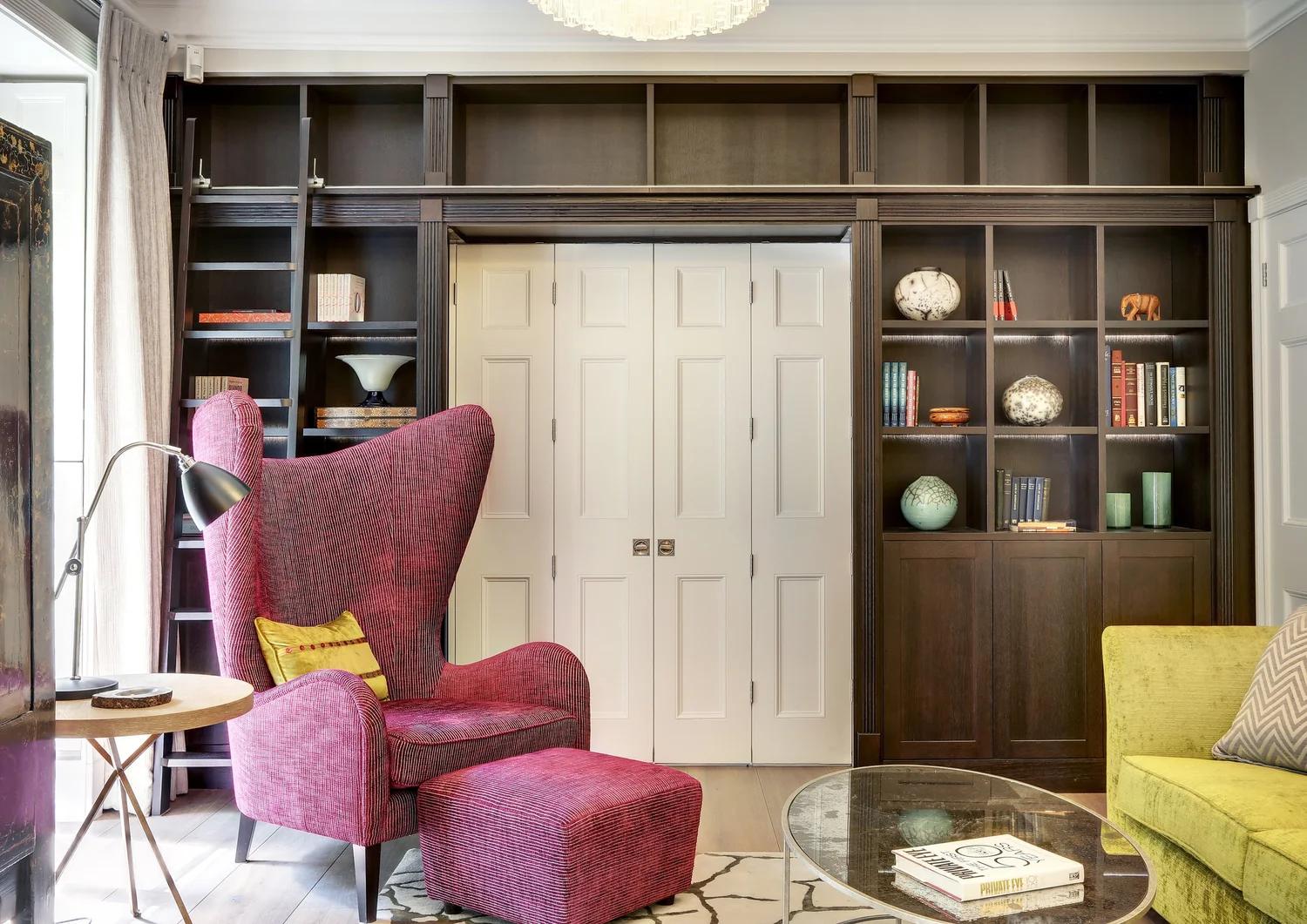
Interiors: the unit and the finish, not just the floor plan
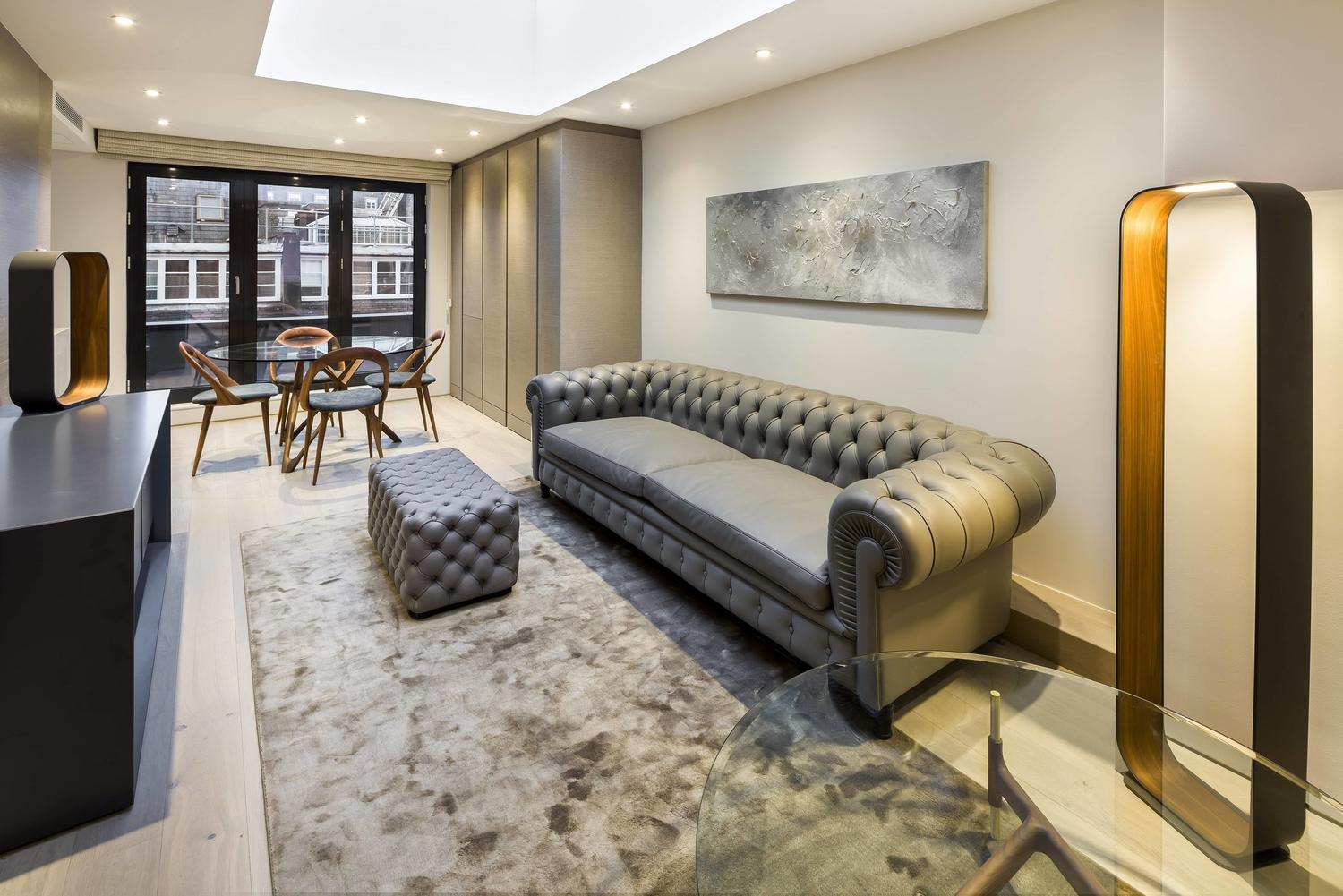
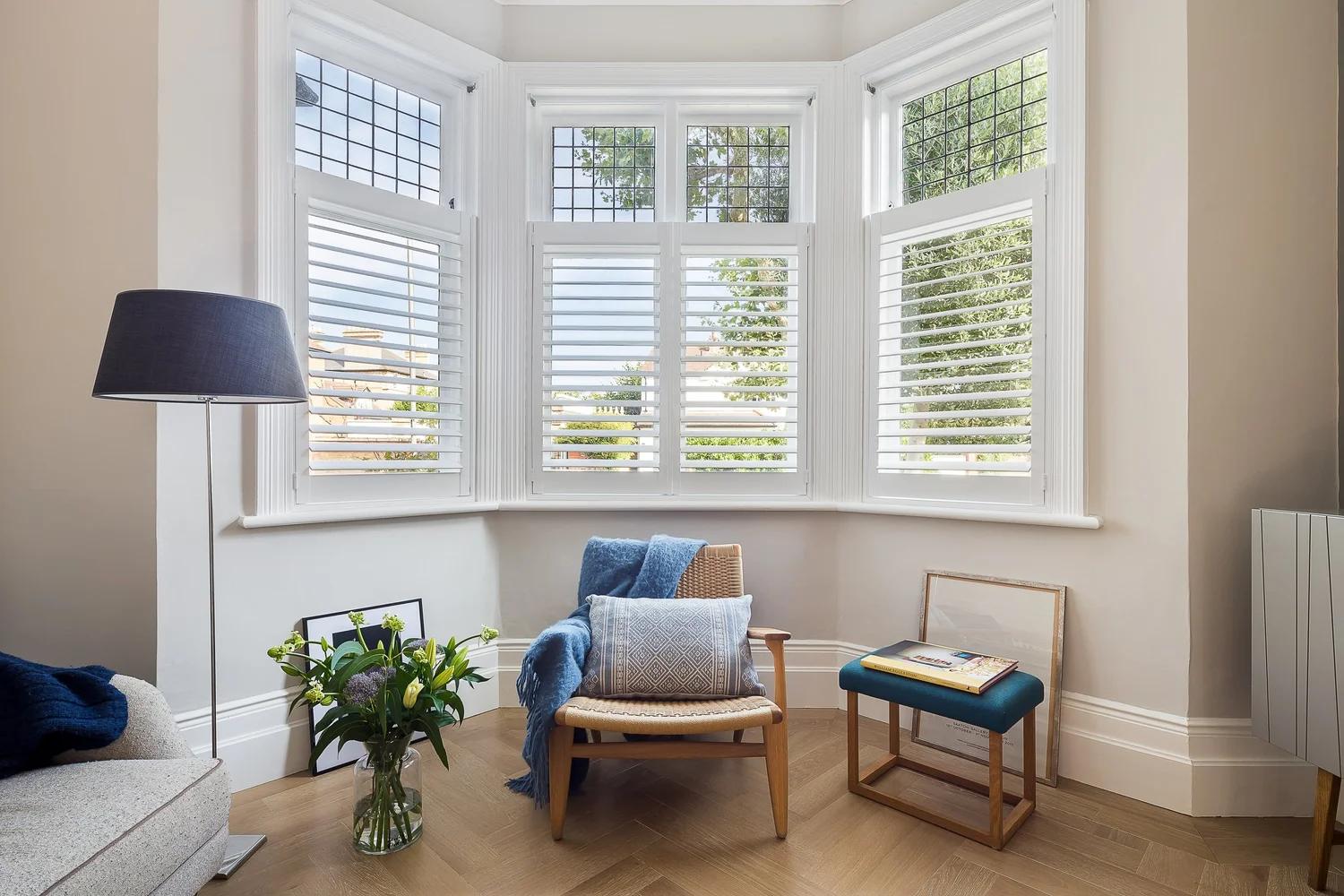
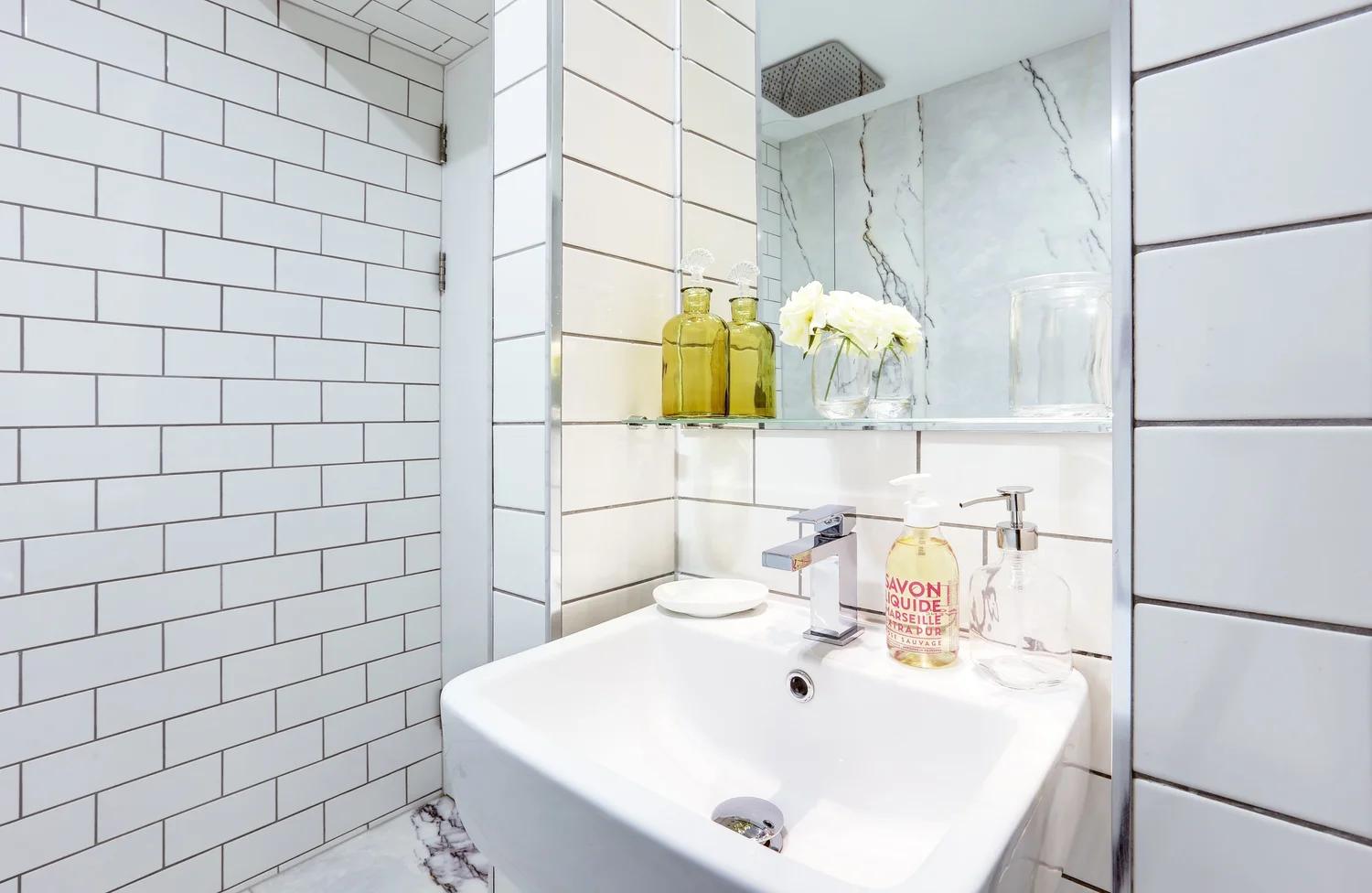
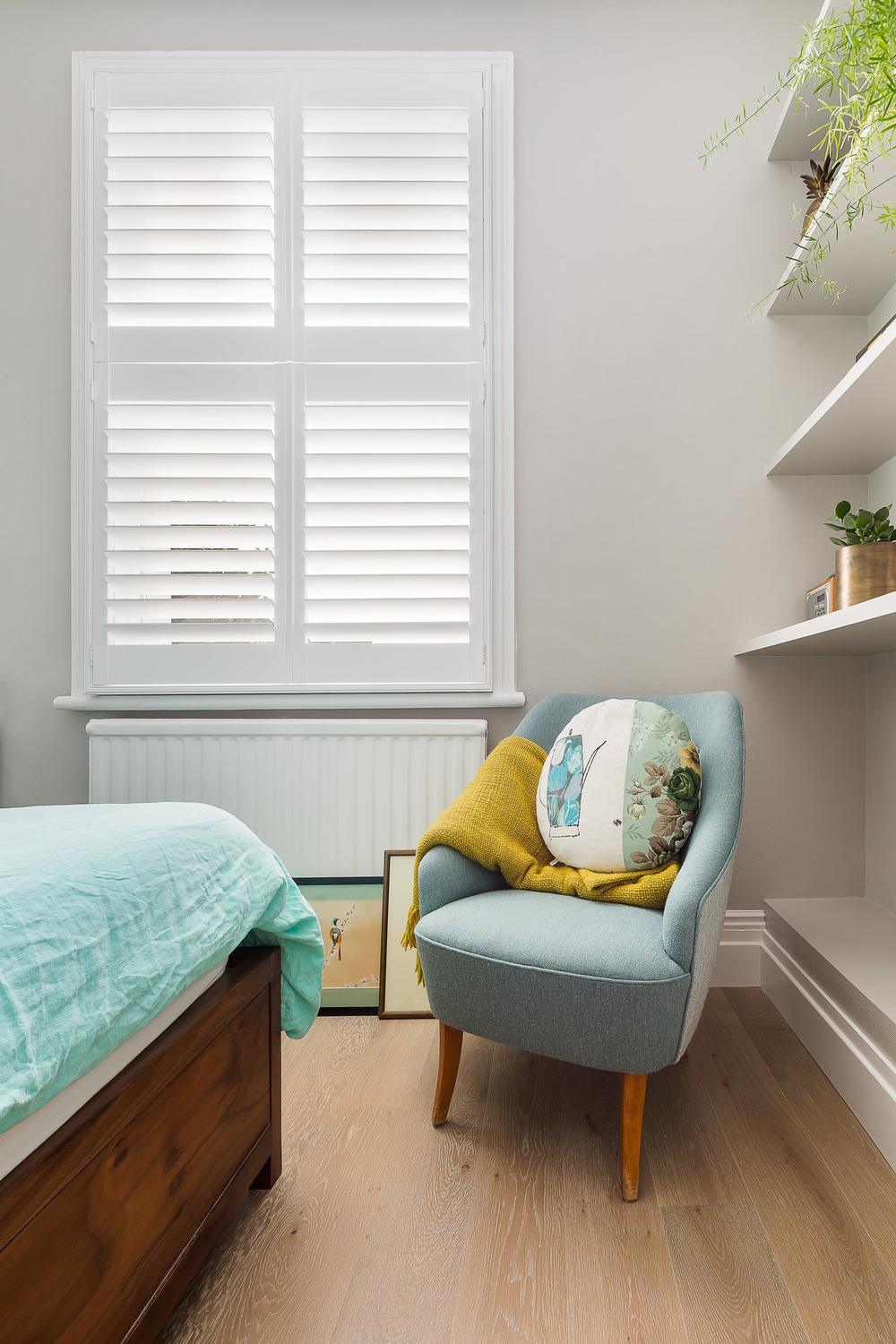
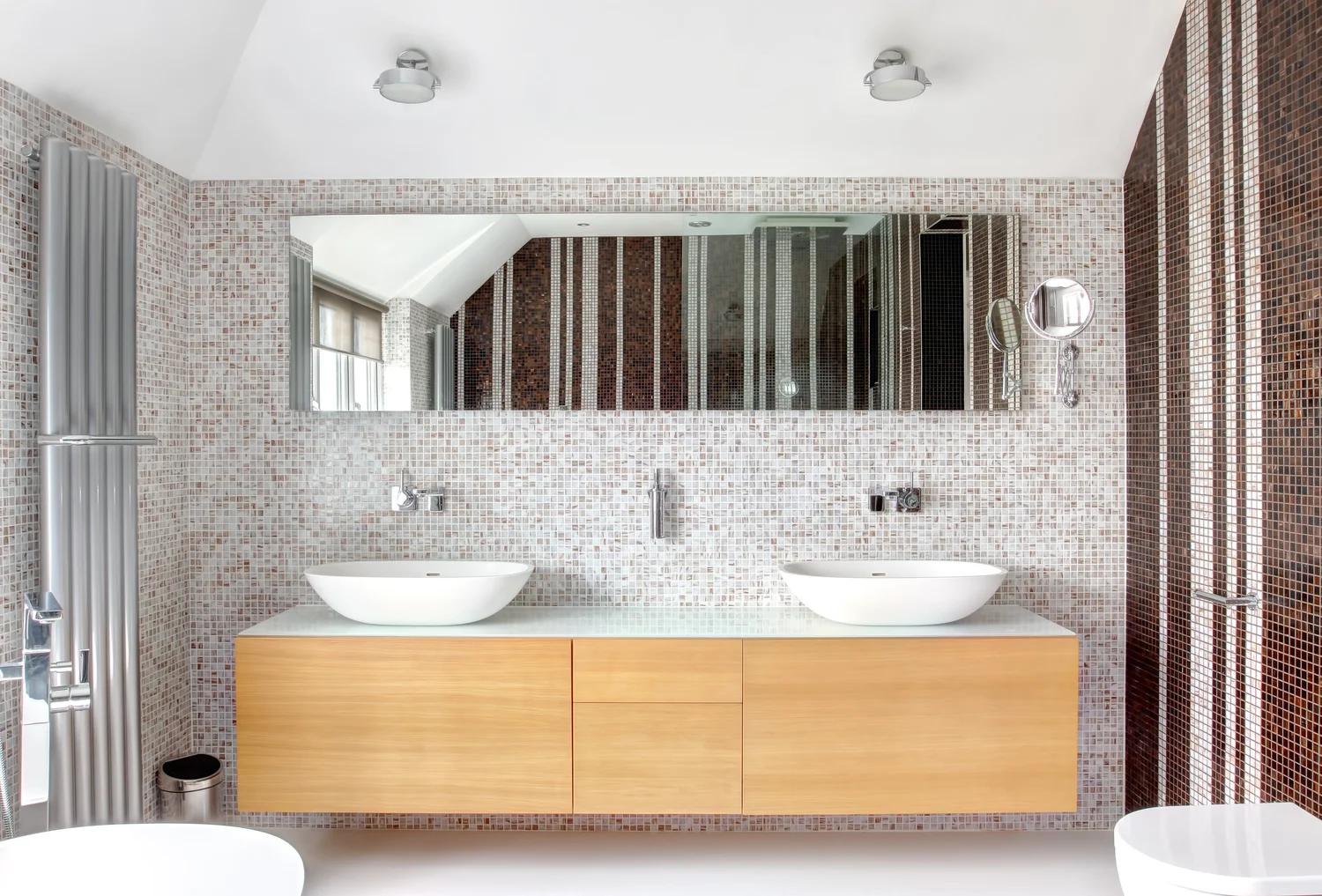
Apartment interiors bring their own technical problem, which is scale. Rooms in a new residential scheme are often smaller than a house, so the temptation is to reach for a very wide lens to make them look bigger. Pushed too far, that same wide lens distorts proportions, stretches the corners of a room, and makes a small space look subtly wrong to anyone who visits in person after seeing the photographs, which does buyers no favours at viewing stage.
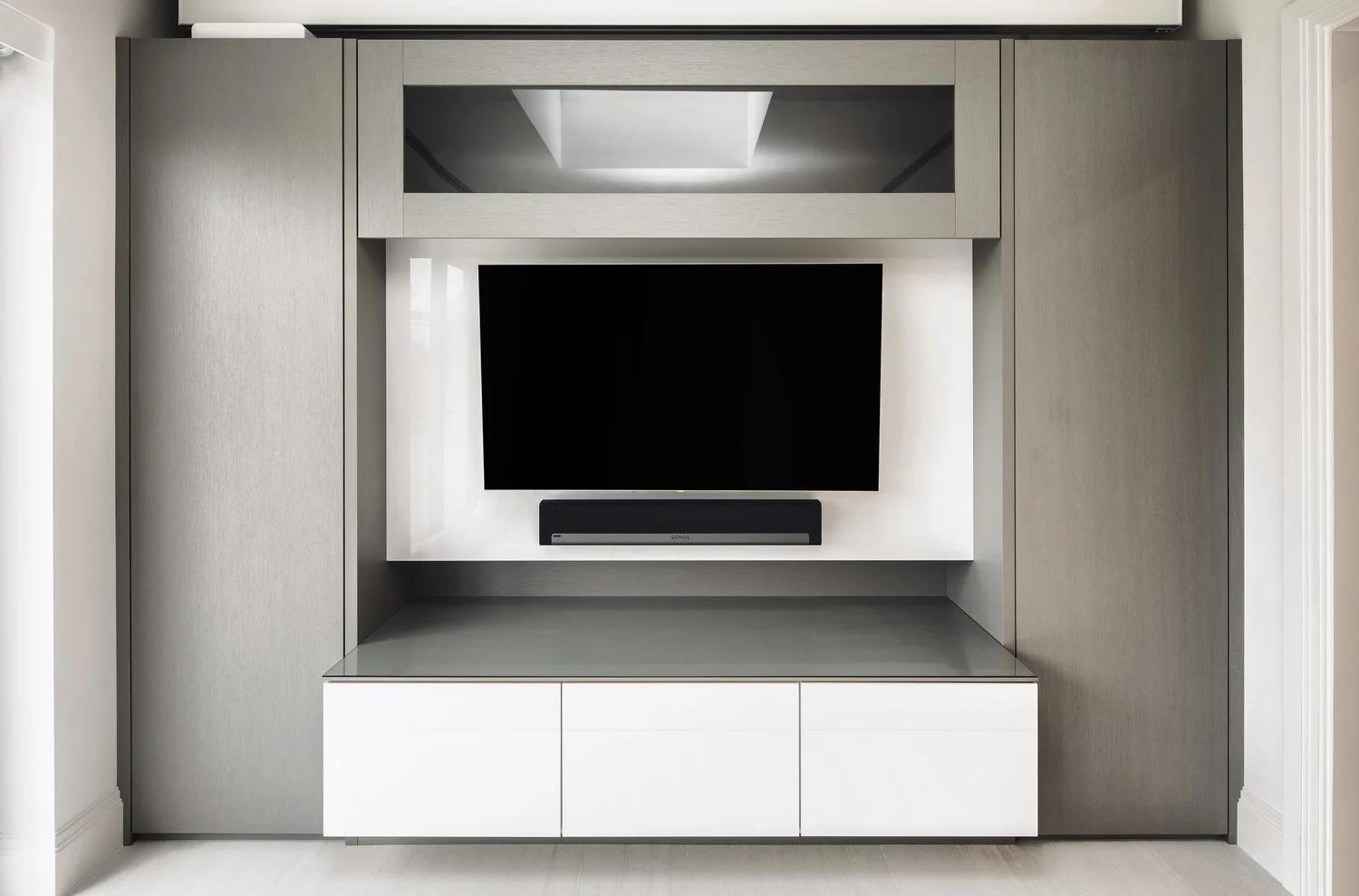
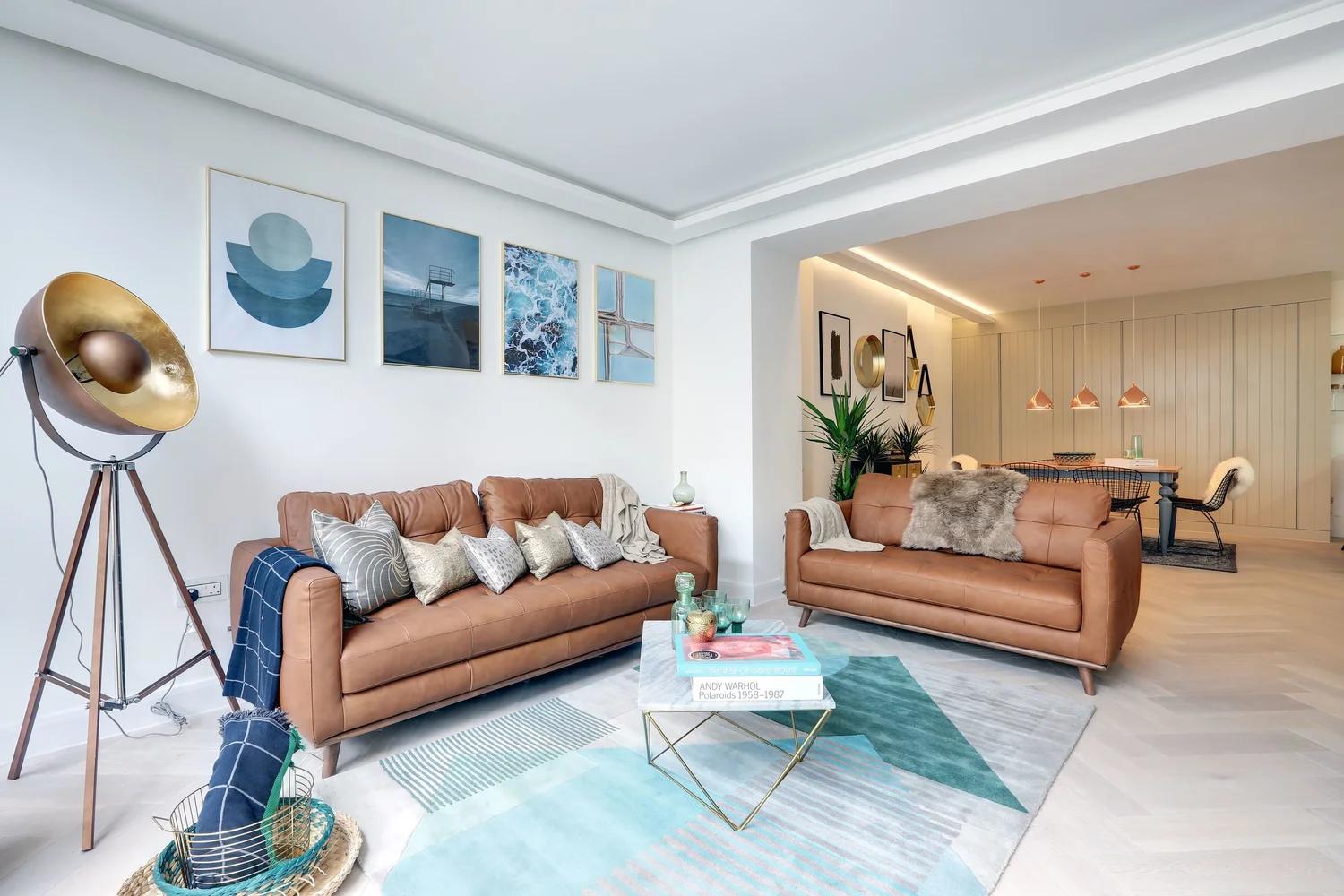
The better approach keeps the same discipline as any interior shoot: a level camera, corrected verticals, and a lens wide enough to show the room honestly without exaggerating it. Natural light through the windows is balanced against the room in the same way as any other interior, so the view out, often one of the reasons someone buys a particular unit, is not lost to a blown-out window.
Residential
Show homes need dressing, and a decision
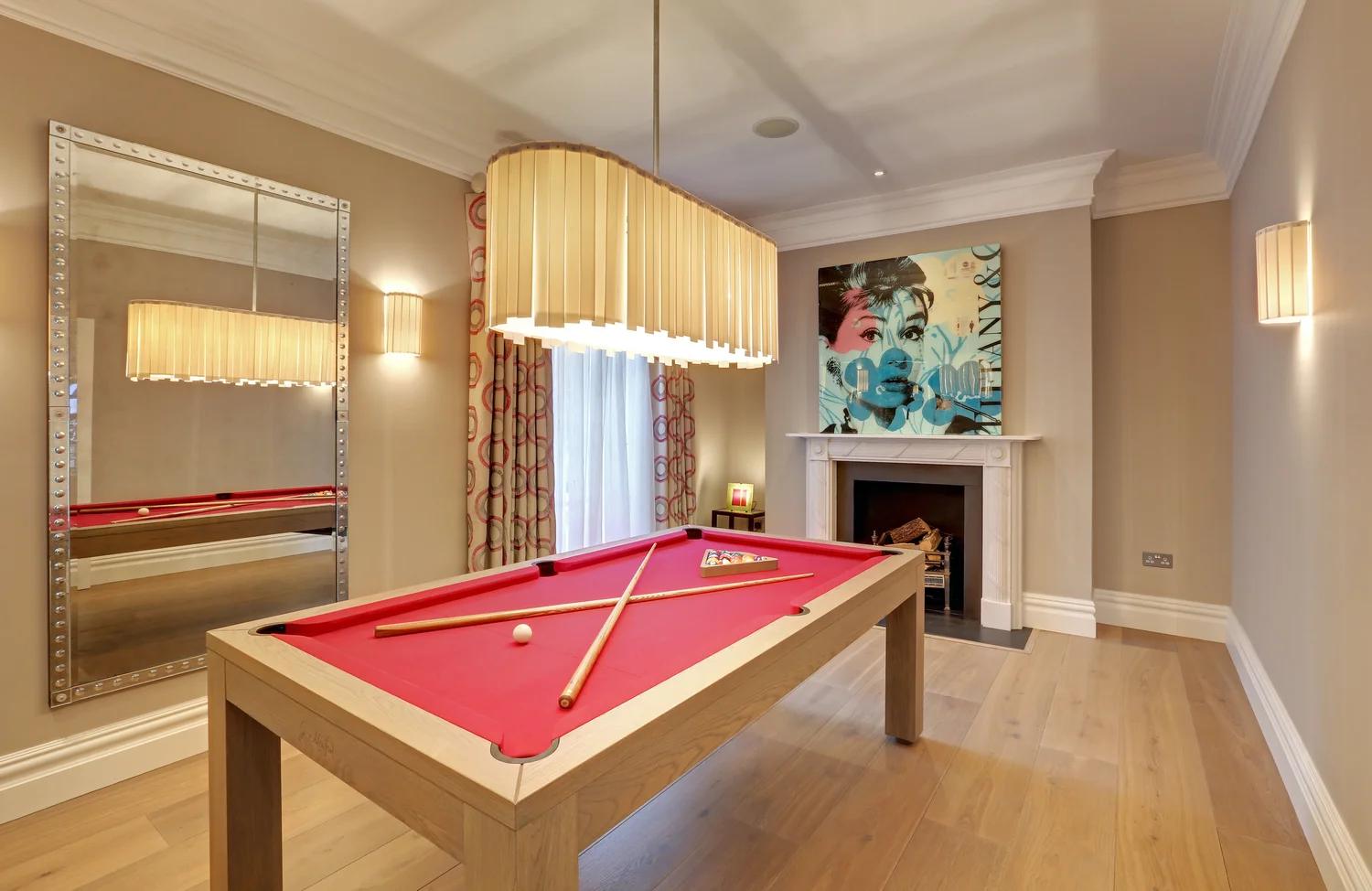
A dressed show home photographs far better than an empty unit, and most developers already have one. The question is whether the photography is of the show home, the standard unit, or both, and whether the marketing is allowed to imply one when showing the other.
Decide that before the shoot. It is a straightforward question at brief stage and an awkward one after the brochure has gone to print.
Residential
Exteriors, and the honest version of the street
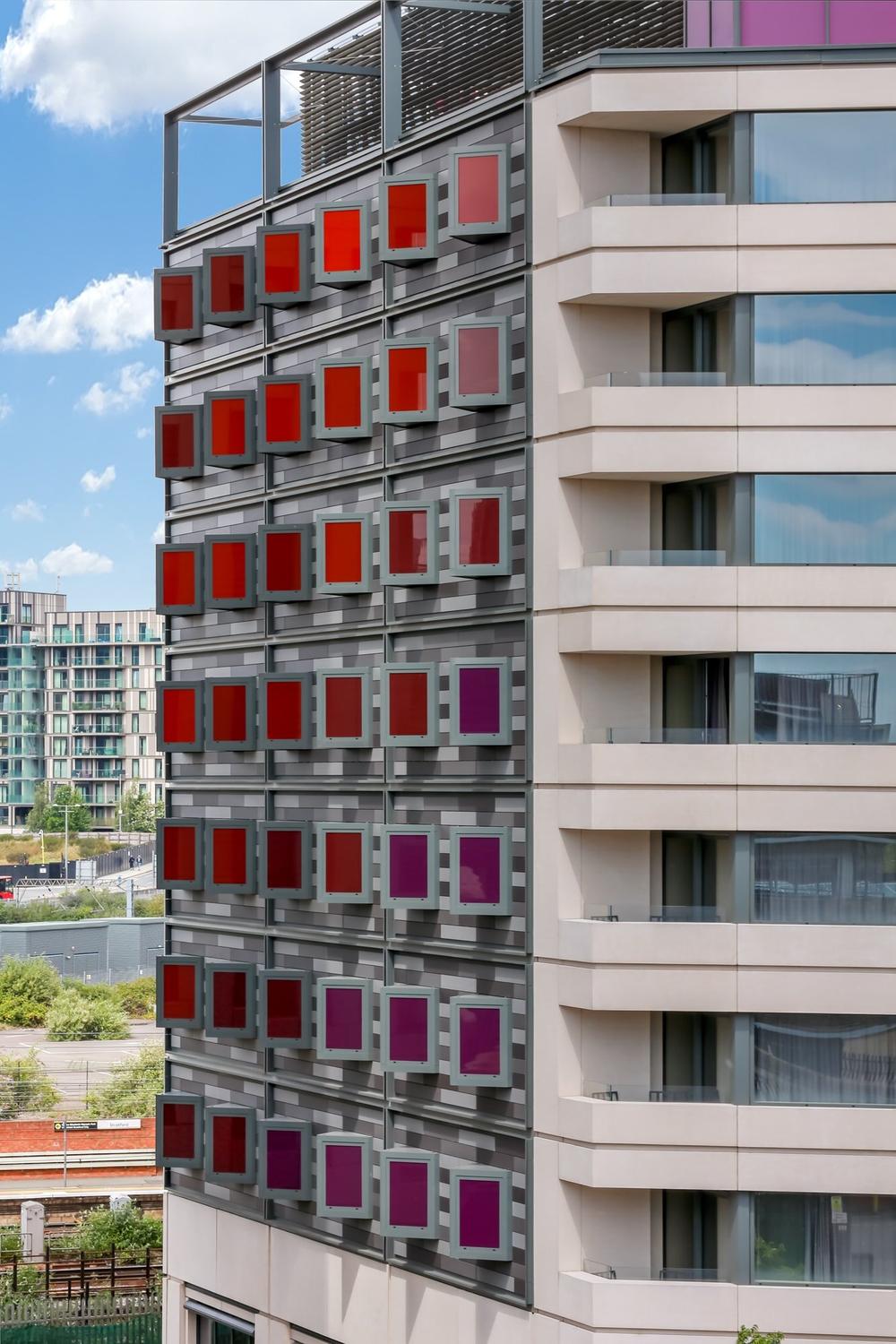
The exterior set usually needs three things: the building read cleanly against the sky, the entrance and how a resident arrives, and enough of the surrounding context to be honest about where the scheme sits. Buyers notice when the context has been carefully cropped out, and it costs trust.
Time of day matters more here than anywhere else in a residential set, because the same elevation can look either generous or grim depending on where the sun is.
Residential
Photographing a scheme in phases
Large residential schemes are rarely marketed only once, at the very end. Sales often start well before the final block completes, off a show home and a soft launch, and the photography needs to keep pace: an early set built around the show home and whatever amenity space is ready, followed later by a fuller set once more of the scheme, and ideally some real residents, are in place.
Each stage is really its own smaller project rather than one long booking, in the same way a phased commercial scheme is, and it is worth treating the photography budget the same way: planned per stage against what is actually ready to shoot, rather than committed to in full before anyone knows what the site will look like at each point.
Residential
Different channels want different shapes
The same photography set rarely serves every channel unedited. A printed brochure can use a wide, considered composition with room to breathe. A property portal listing usually needs a more literal, comprehensive view of each room, closer to real estate coverage in spirit. Social media wants a small number of striking images that work in a square or vertical crop, which is not how an architectural set is naturally composed.
It is worth being clear at brief stage about every channel the images will end up on, since a photographer composing with only the brochure cover in mind may frame shots in a way that crops awkwardly once the same image is dropped into a portal listing or a social post.
Common questions
Frequently asked
What should be photographed at a residential development?
The exterior in context, the arrival and entrance, the amenity spaces, the views from upper floors, and the unit interiors, usually including a dressed show home. The amenity and arrival images often work harder in sales material than additional unit shots.
Should a show home be dressed for photography?
Yes, dressed spaces photograph considerably better than empty ones. Agree in advance whether the images are of the show home or a standard unit, so the marketing represents accurately what a buyer is getting.
Do you photograph the area around a development?
Usually yes. Context images of the street and surroundings are part of an honest set, and buyers are choosing a location as much as a flat.
How do you photograph small apartment interiors without distorting them?
By keeping the same discipline as any interior shoot, a level camera and corrected verticals, rather than reaching for an extremely wide lens to exaggerate the size of the room. A lens pushed too wide stretches proportions and creates a mismatch between the photographs and how the space actually feels in person.
Should a residential scheme be photographed more than once?
Often yes, particularly on a phased scheme where sales start before the final block completes. An early set around the show home and available amenity is usually followed by a fuller set later once more of the scheme, and sometimes real residents, are in place.
Where to next