Journal · Awards
What do architecture awards judges want from photography?
A judging panel almost never visits the building. They are judging the photographs, which means the images have to carry the entire design argument on their own.
Awards
The images are the entry
This is the part that is easy to forget when you have lived with a building for three years. The panel has not stood in it, walked its approach, or felt how the light moves through it. They have a small set of photographs and a few hundred words.
So the set has to do the arguing. If the whole idea of the scheme is how it meets the street, there must be a photograph that makes that legible to someone who has never been there. If the idea is the section, there needs to be an image that reveals it. A panel member spending ninety seconds on an entry among a hundred others will not reconstruct an argument the photographs do not already make for them.
Awards
Matching the image to the category
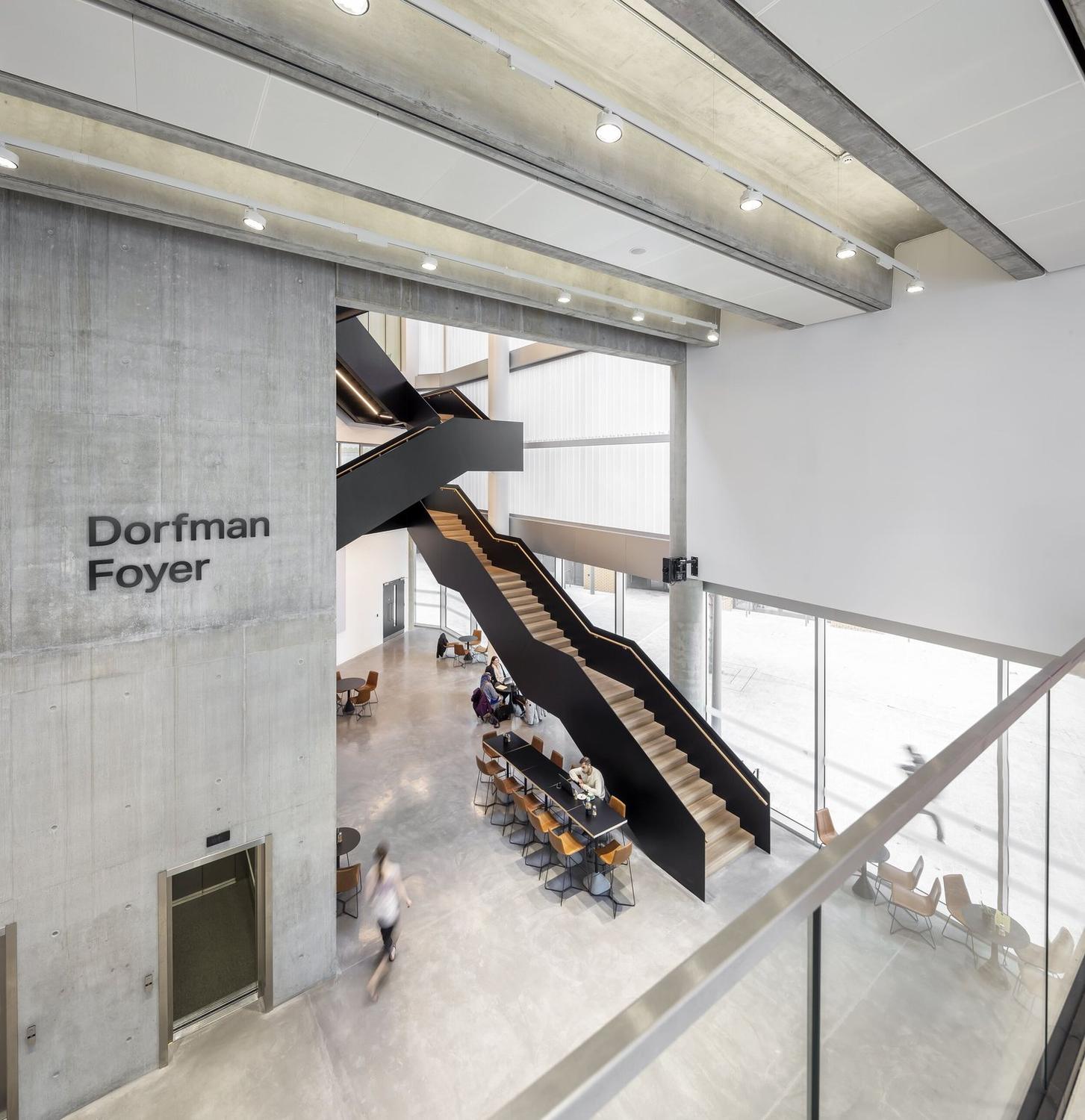
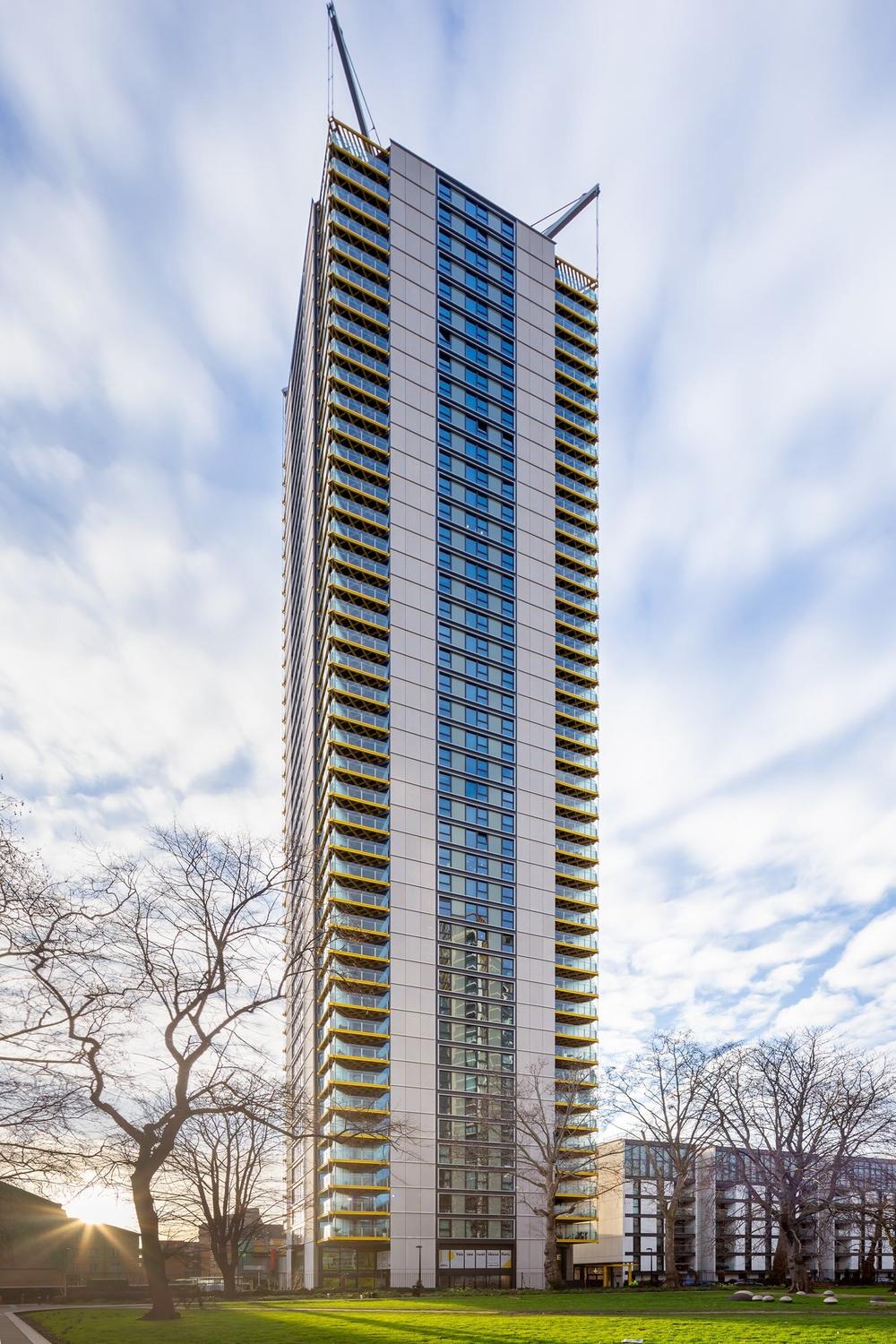
Different award categories reward different things, and the strongest single image for one is not necessarily the strongest for another. A sustainability or retrofit category wants evidence of what changed and why it matters, existing fabric retained, a material reused, a detail that shows a lower-carbon choice. A residential or workplace category wants the lived experience, how the space is actually used. A masterplanning or urban design entry wants context and scale, the building in its wider setting rather than an isolated hero shot.
It is worth choosing or requesting a slightly different edit of the set for each category a scheme is entered into, rather than submitting one fixed portfolio everywhere, since the same photographs rarely argue every case equally well.
Awards
Fewer, stronger, ordered
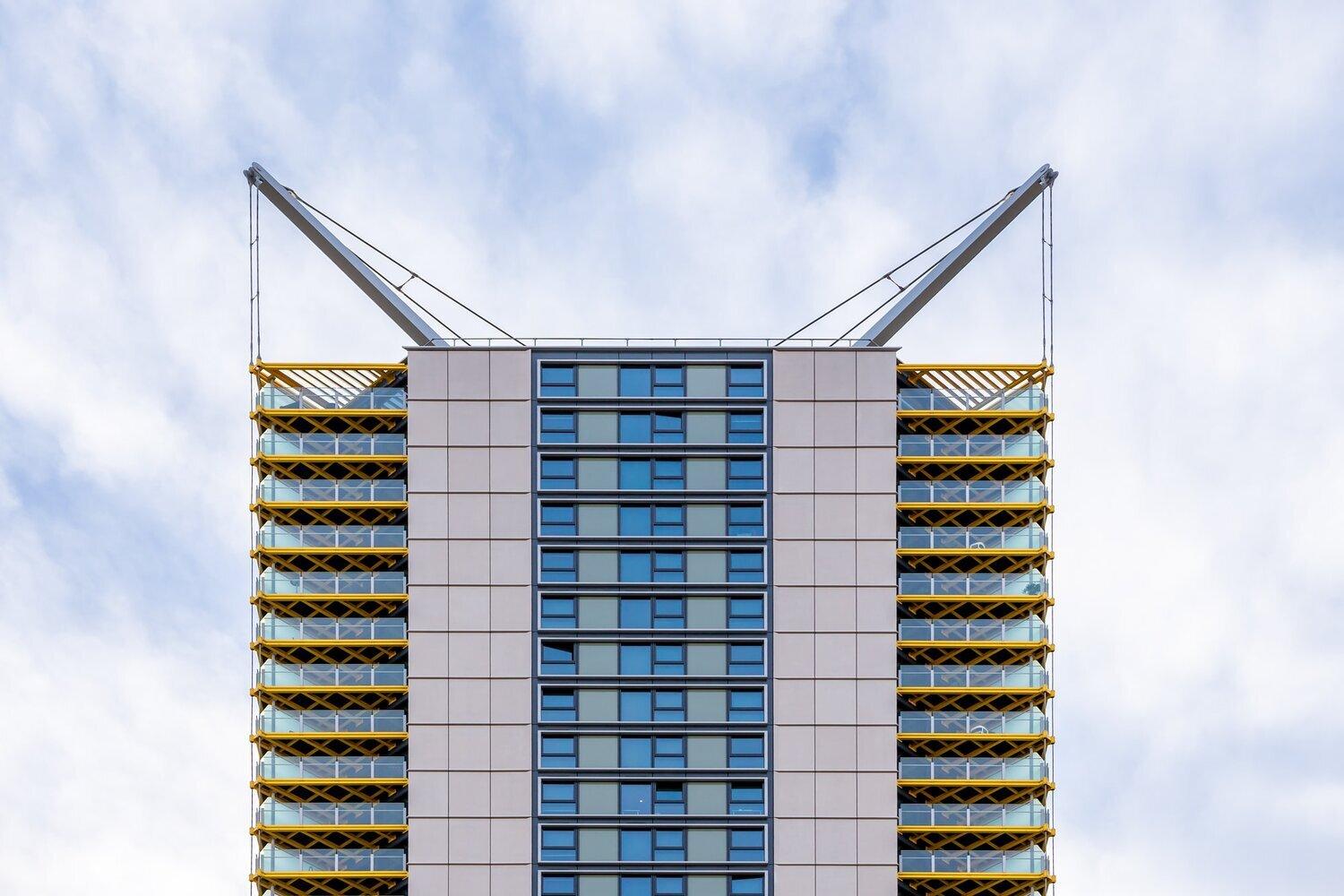
Most submissions allow a limited number of images, and the temptation is to use every slot. Resist it. A tight set of eight strong photographs beats twelve where four are filler, because the weak ones drag the average down and dilute the argument.
Order matters too. Lead with the image that states the idea, then support it. A set that reads in sequence is far more persuasive than a gallery in arbitrary order, in much the same way a well-structured piece of writing leads with its strongest point rather than burying it in the middle.
Awards
What loses entries
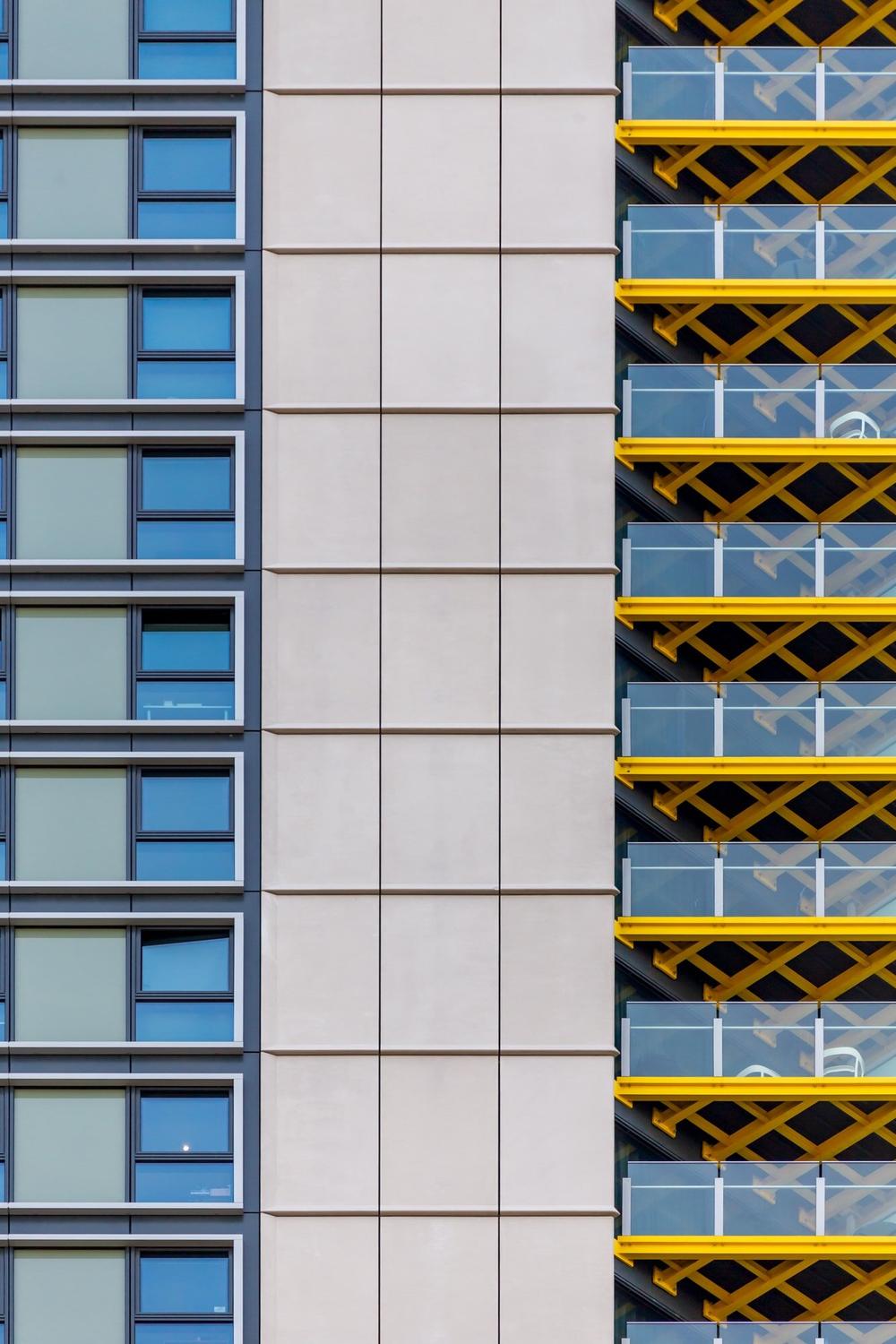
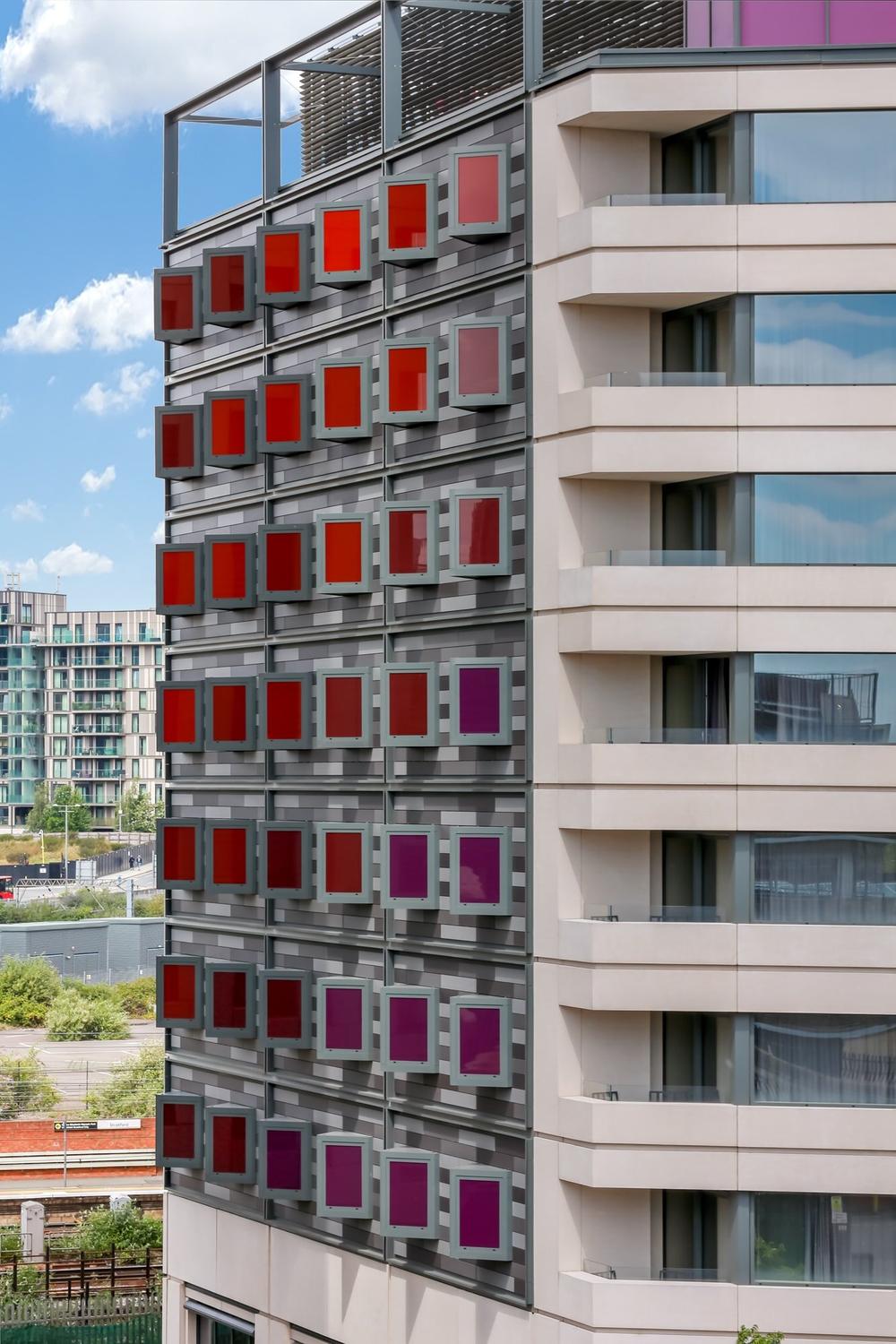
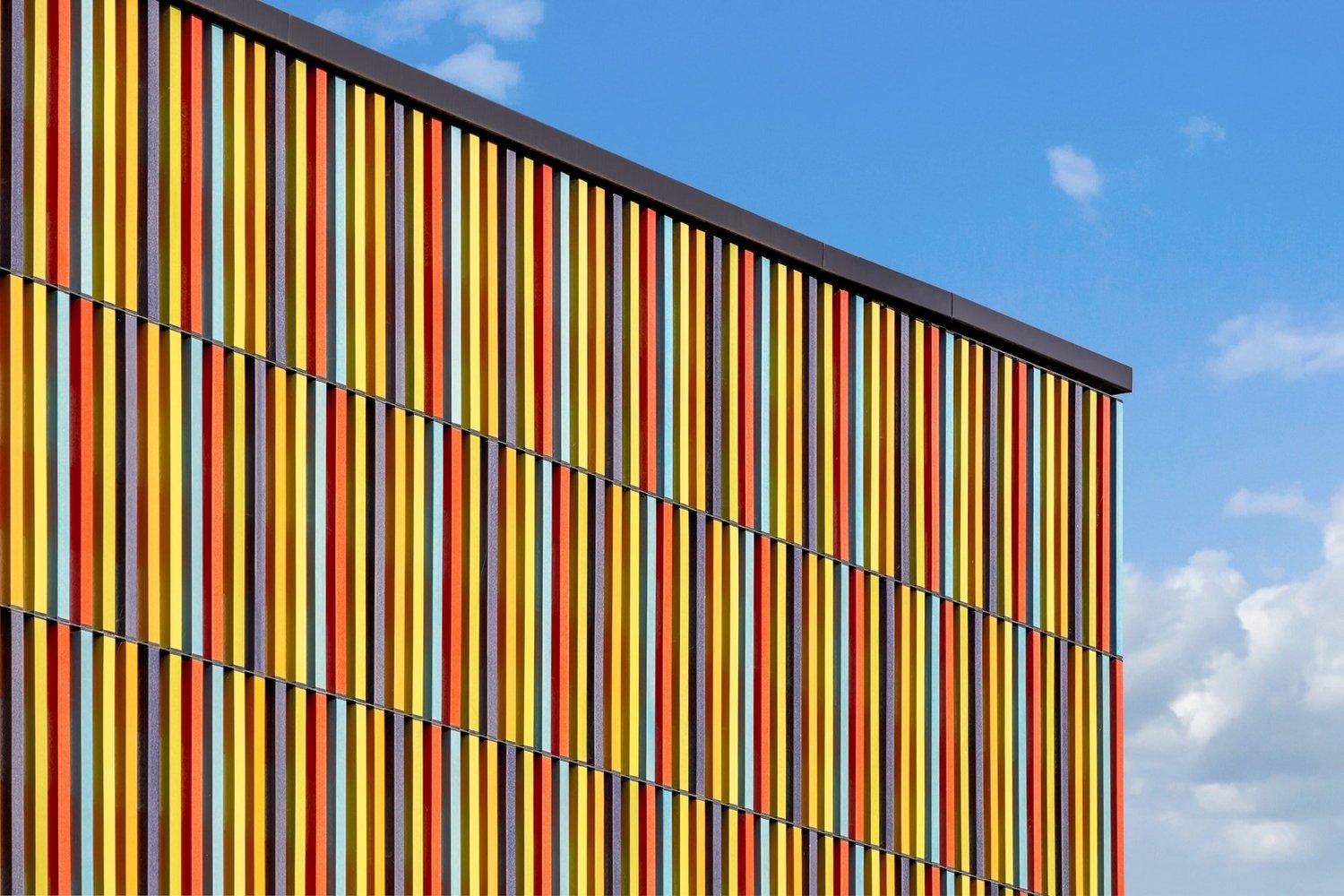
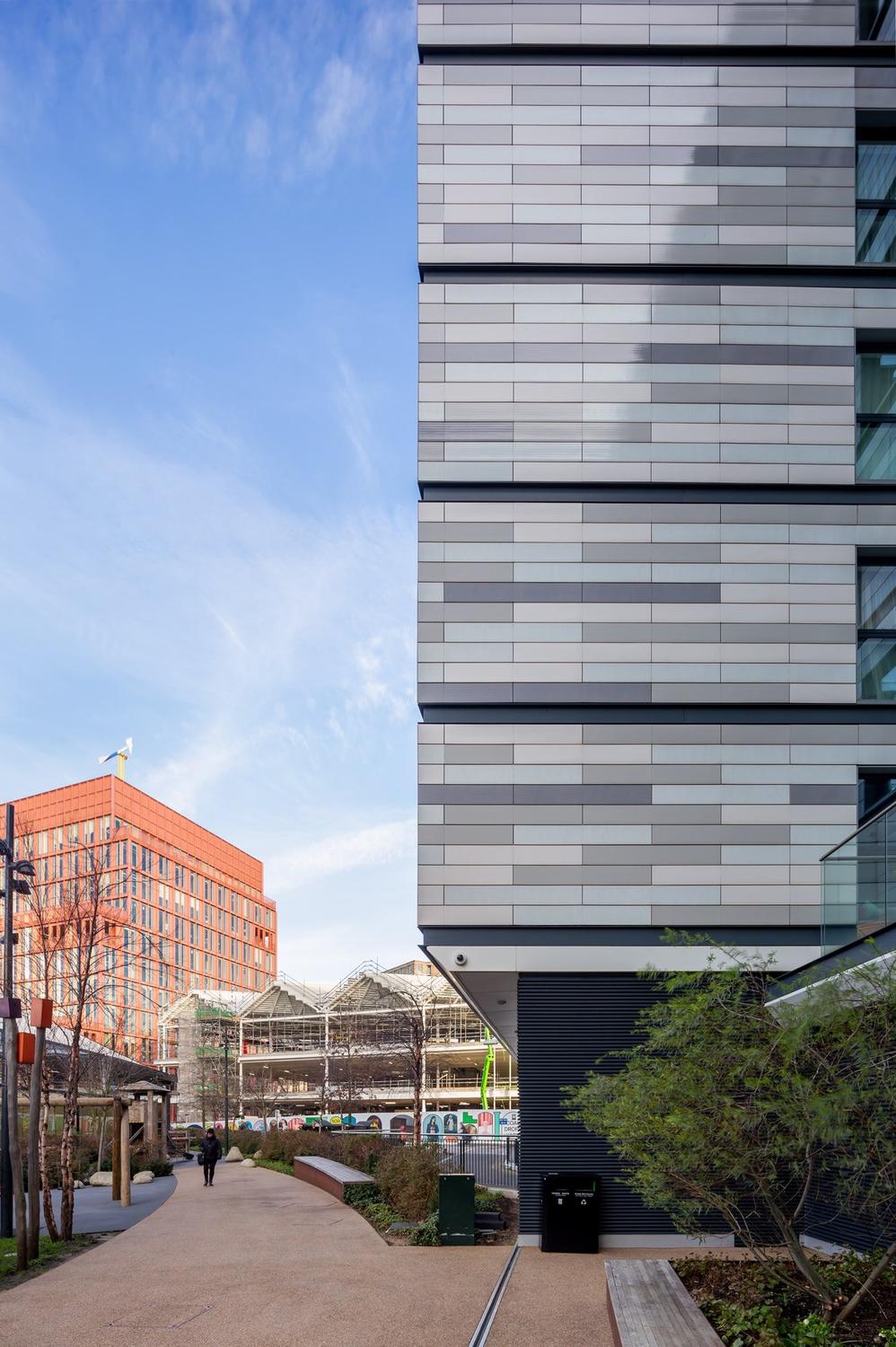
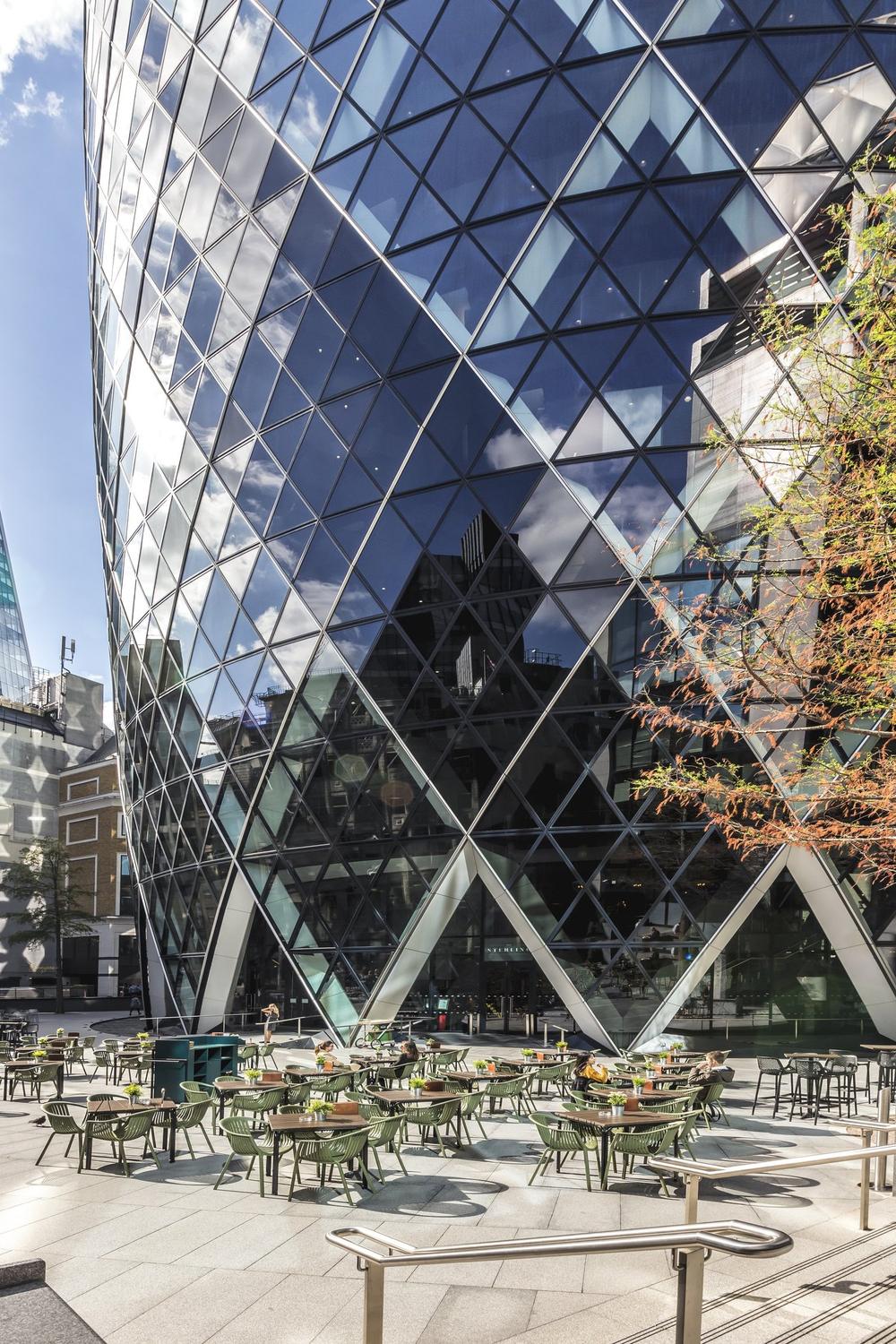
Leaning verticals, blown-out skies, and visible distortion all read as carelessness, and a panel looking at hundreds of entries notices immediately.
So does an incomplete story: exteriors with no interiors, or interiors with no sense of where the building sits. And so does a set shot on a flat grey day when the scheme clearly deserved better light. Photography for a submission is worth planning around the weather in a way that a routine record shoot is not.
Awards
Plan the shoot around the deadline, not the other way round
Awards deadlines are fixed in a way that most photography briefs are not, and that changes the planning. A routine shoot can move a few days for better light with little consequence. A submission shoot booked with no margin before the deadline has nowhere to go if the week turns out overcast or the building is not quite ready, and a rushed reshoot under pressure rarely produces the image an entry needed.
The practical fix is to book well ahead of the actual deadline, leaving a real buffer for weather and for a second attempt at any single hero shot that has to carry the entry, rather than treating the submission date as the shoot date.
Awards
The set outlives the submission
An awards shoot rarely gets used only once. The same tightly edited, carefully sequenced set usually goes on to serve the portfolio, the architect's and contractor's own websites, and any press coverage that follows an entry, whether or not it wins. That is worth keeping in mind when deciding how much to invest in the shoot: it is not a cost that ends the day the entry is submitted, it is the asset a project's reputation runs on for years afterwards.
Common questions
Frequently asked
How many images should an architecture awards submission include?
Whatever the entry allows, but fewer strong images beat a full set padded with weak ones. A tight set of around eight photographs that argue the design clearly is usually more persuasive than twelve of uneven quality.
What makes a good awards submission photograph?
One that makes the central idea of the building legible to someone who has never visited. Technically it needs straight verticals, controlled highlights, and light that suits the scheme, because a judging panel reads carelessness quickly.
Should awards photography be shot differently?
It is worth planning around the weather and the time of day more carefully than a routine record shoot, and worth deciding in advance which single image has to carry the argument.
Should the same photographs be used for every award category a building is entered into?
Not necessarily. Different categories, sustainability, residential, masterplanning, reward different things, so it is often worth editing or selecting a slightly different set for each entry rather than submitting one fixed portfolio everywhere.
How far ahead of an awards deadline should the shoot be booked?
With real margin, not right up against the deadline. Unlike a routine shoot, a submission photograph often has to carry the whole entry, and there needs to be time left for a second attempt if the weather does not cooperate or the building is not quite ready on the first visit.
Where to next