Journal · Pricing
How much does architectural photography cost in the UK?
Most quotes for architectural photography are per project, not per hour. For a single building in London, expect roughly £500 to £1,500 depending on how many finished images you need and how long the shoot takes.
Pricing
The short answer
Architectural photography in the UK is normally quoted as a project rate rather than per hour or per image, because the cost sits in two places that do not scale the same way: the hours on site, and the retouching afterwards. For one building, most professional photographers in London land somewhere between £500 and £1,500. A single elevation shot on a quiet morning sits at the bottom of that range. A full building with interiors, several floors, or a dusk frame added on sits nearer the top.
For context, my own rates are £700 for up to 20 final retouched images with up to three hours on site, and £1,200 for up to 40 final images with up to six hours. Extra images beyond that are £50 each. Those numbers are published in full on the rates and licensing page, because a photographer who will not show you a number before a call is usually about to quote you a different one depending on how your project sounds. A rate card also makes it possible to budget before you have spoken to anyone, which matters when the photography line is one small item in a much larger marketing or launch budget.
Pricing
What you are actually paying for
Very little of an architectural photography fee is the shutter being pressed. On site, the work is judgement and patience: reading which direction an elevation faces, choosing the camera position where the verticals read true and the proportions are not distorted, levelling the camera precisely enough that a shift lens can correct perspective without cropping into the frame, and then waiting, sometimes for twenty minutes, for a cloud to clear or a shadow to move off a facade.
Afterwards, the harder half of the job happens at a desk. A single finished image is rarely one exposure. Interiors especially are usually a bracketed set, several frames at different exposures blended so the room and the view through the window are both correctly exposed at once, because a camera sensor simply cannot hold that range in one shot the way the eye can. Add perspective correction so verticals are parallel rather than converging, colour balancing across mixed daylight and tungsten or LED sources, and cleanup of anything a site visit could not remove, and a single considered frame can easily take longer to finish than it took to shoot.
That is also why the cheapest quote is rarely the cheapest outcome. A set of images that cannot be used for a press release, an awards entry, or a leasing brochure has cost you the whole fee, not a discount on it. The same building photographed twice, once properly and once cheaply, produces two completely different assets, and only one of them still looks acceptable in five years of reuse.
Pricing
A worked example, start to finish
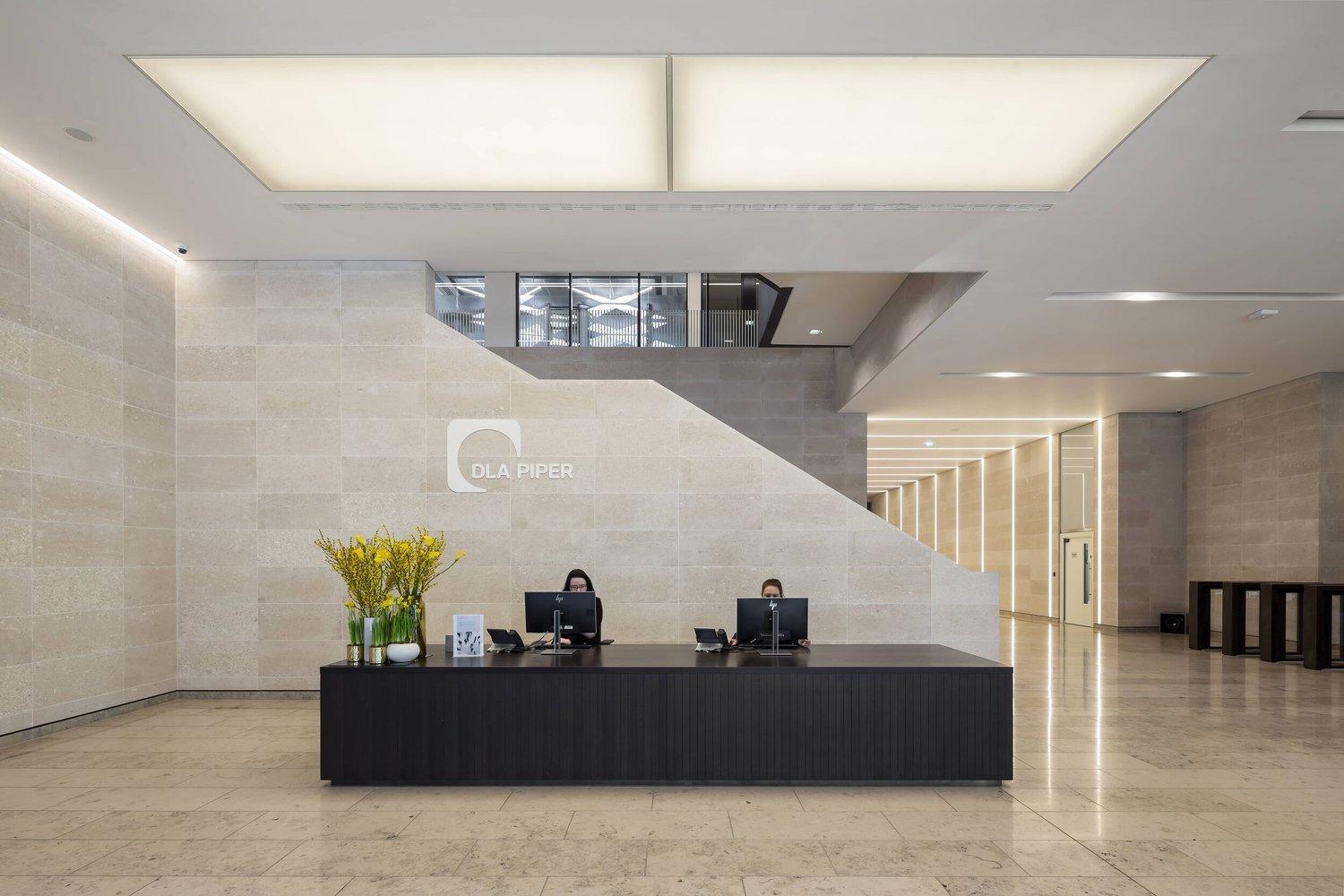
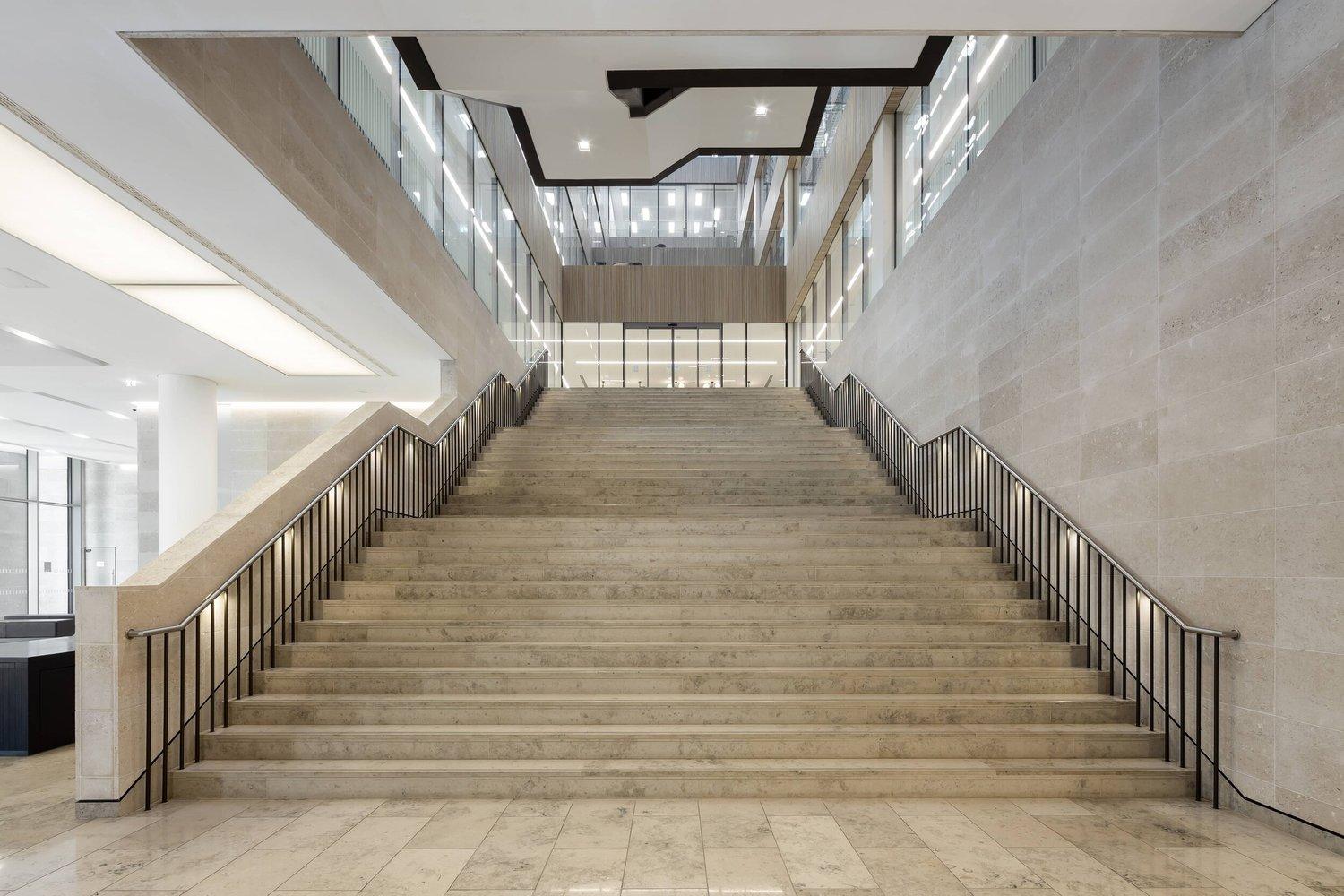
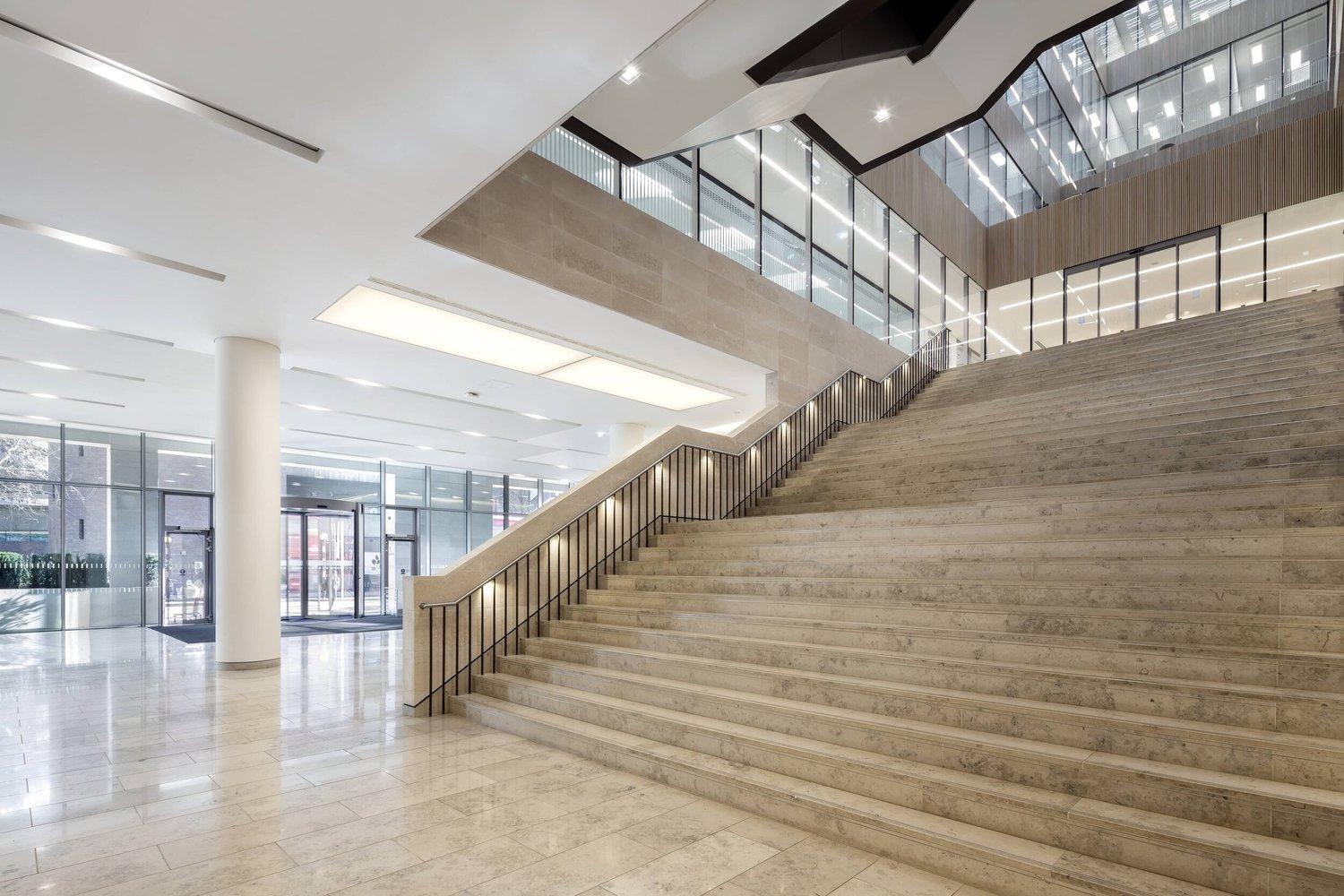
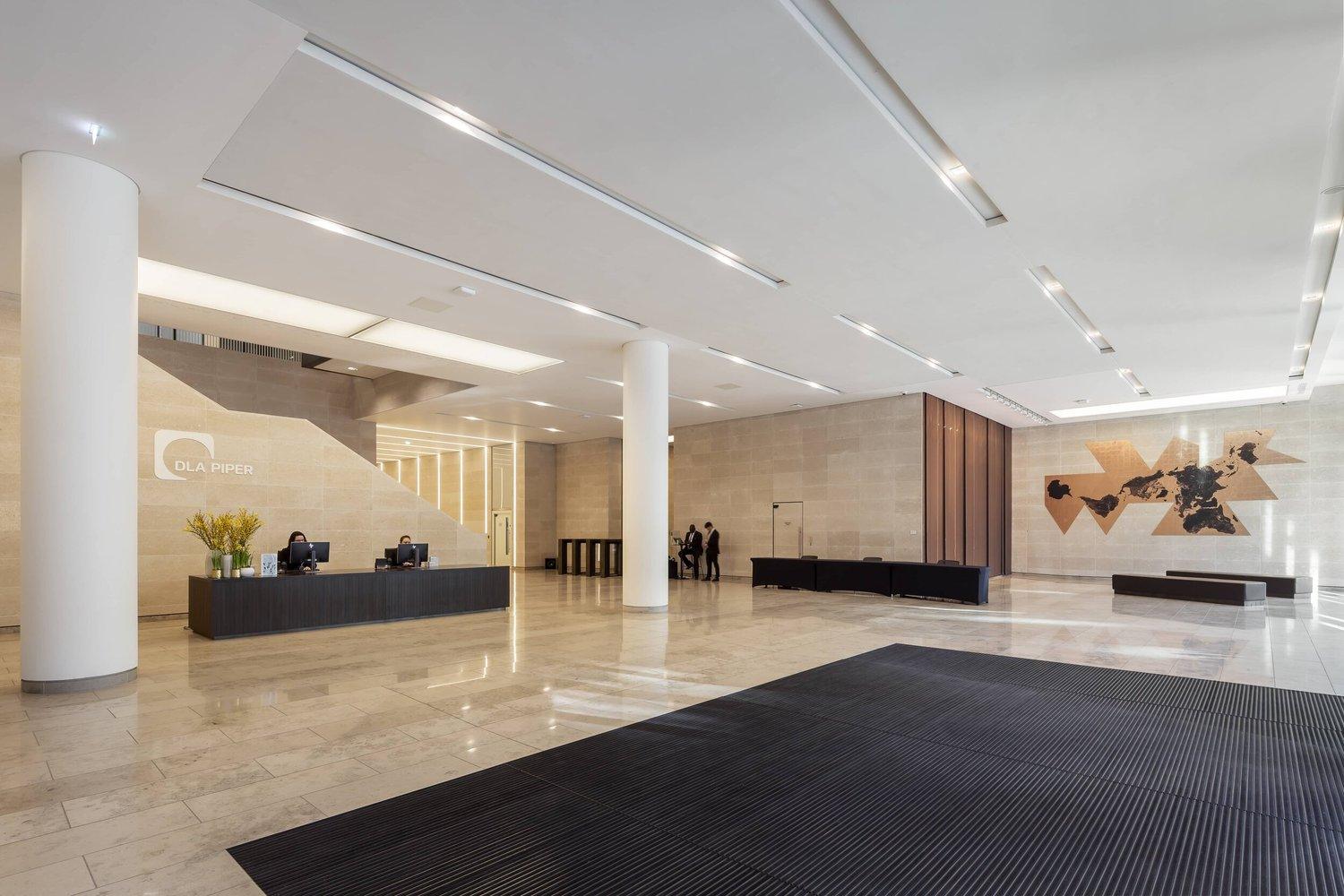
Take a straightforward brief: a single City office reception and a facade shot, twenty final images, half a day on site. That falls squarely into the £700 package, up to 20 images with up to three hours on site.
On the day, most of that time goes on a handful of setups rather than a large number of quick frames: the exterior from the approach, the reception from two or three positions, a signature stair or material junction, and a couple of detail shots. Each setup involves levelling the camera, checking the horizon and verticals, and shooting a bracketed sequence rather than a single frame, because that bracket is what allows a clean, evenly exposed result later rather than a blown-out window or a black corner.
Afterwards, the twenty selected frames go through culling from the full contact sheet, base exposure and colour work, perspective correction, and the blending of the bracketed exposures into single, balanced images. If the brief calls for one dusk exterior, that frame alone often needs more attention than the rest of the set combined, because balancing the sky, the building's own lighting, and the ambient street light by eye cannot be done in a single exposure either. Add two other parties who need the images under an extended licence, say the architect and the main contractor, and the invoice becomes £700 plus 30 per cent per additional party: two parties adds £420, bringing the total to £1,120, still cheaper than three separate half-day shoots of the same reception.
Pricing
What moves the price up or down
The number of final images. This is the single biggest lever, because every delivered frame carries retouching time whether it is a wide exterior or a small detail shot. Twenty considered images almost always beats fifty rushed ones, both in quality and in what they cost per image once retouching is accounted for.
Time on site. A single elevation is a different job to a full building with interiors, and a site spread across several blocks, several floors, or a campus of buildings is different again. Multi-storey buildings also add vertical travel time between floors that a single-storey unit never has.
Retouching load. Light retouching, the base edit every delivered image gets, is normally included in the package. Heavy work, such as perspective correction across many frames, sky replacement, removing scaffolding or site clutter that could not be cleared on the day, or extensive object removal, is usually billed separately. Mine is £50 an hour, and it is quoted once the brief and the site conditions are known, not guessed at in advance.
Travel. Most London photographers include central zones and bill beyond that. Mine covers Zones 1 to 4, then by the mile or at cost, which matters for developments further out or outside London entirely.
Timing and weather. A booking with some flexibility around the sky is easier to price and to deliver well than a fixed date that has to go ahead whatever the weather does. A shoot pinned to one unmovable day sometimes means working with conditions that are not ideal, which can mean more retouching time to compensate, not less.
Access and complexity. Restricted access, security escorts, out-of-hours slots, or a live, occupied site all add friction that a quiet completed building does not have, and that friction is time, which is what a project rate is ultimately pricing.
Pricing
Day rate vs project rate, and why most photographers avoid a pure day rate
A pure day rate sounds simple, but it prices the wrong half of the job. On most architectural shoots, the retouching afterwards takes as long as, or longer than, the time on site, so a fee based only on hours in the building understates the real cost and creates an incentive to rush the post-production, or to charge retouching separately as an unpleasant surprise on the invoice.
A project rate that pairs an image count with a time on site prices both halves of the job honestly from the outset. It is also easier to compare: two photographers' day rates can look identical while one delivers ten lightly edited images and the other delivers twenty five fully corrected ones for the same money.
Pricing
The part most quotes leave out: licensing
This is where two quotes that look identical stop being comparable. The fee usually covers the client who commissioned the shoot. On a real project there are often several parties who want the same images: the architect for their portfolio, the main contractor, a product manufacturer whose material is on the facade, and a PR agency, sometimes all four on the same building.
Each additional party licensing the images is normally charged as a share of the fee. I charge 30 per cent of the invoice per additional party, agreed before the invoice is raised. On a £1,200 shoot with three other parties that is £2,280 in total, or £570 each if the cost is split, which is usually cheaper for everyone than four separate shoots of the same building, and produces a consistent set rather than four different photographers' takes on the same facade.
Ask about licensing before you book, not after. Sorting it out afterwards is always the expensive way round, because at that point it is a separate negotiation rather than part of the original agreement, and there is no discount for having forgotten to mention it.
Pricing
Budgeting for a phased or multi-building scheme
A single shoot is straightforward to price. A phased scheme, several blocks handed over months apart, or a mix of progress and completion photography, is really several separate project quotes rather than one larger one, because the number of visits and the state of each building are not known at the outset.
The practical approach is to budget per visit using the same two levers as any single shoot, image count and time on site, rather than trying to negotiate one blended rate across a scheme whose scope will keep changing as it progresses. It also keeps each invoice tied to a specific, checkable deliverable rather than a retainer that is hard to reconcile against the work actually done.
Pricing
A fair way to compare quotes
Put the quotes side by side and check four things: how many final retouched images you get, how long the photographer is on site, what retouching is included, and who is allowed to use the images afterwards. Two quotes that look £300 apart often are not, once you line those four up: the cheaper one may include ten fewer images, an hour less on site, no heavy retouching, and a licence that covers only the commissioning client.
It is worth asking each photographer to state those four things in writing before you decide, rather than comparing headline numbers alone. A quote that cannot answer all four clearly is usually the one to be most cautious about.
Common questions
Frequently asked
How much does architectural photography cost in the UK?
For a single building, expect roughly £500 to £1,500 in London, quoted per project rather than per hour. The main variables are how many final retouched images you need and how long the shoot takes. My own rates are £700 for up to 20 final images with up to 3 hours on site, and £1,200 for up to 40 final images with up to 6 hours.
How much do architectural photographers charge per day?
Most UK architectural photographers work to a project rate rather than a pure day rate, because the retouching after the shoot is a large part of the work and often takes as long as the shoot itself. As a guide, a full day on site with a usable set of finished images generally starts around £700 and rises with the number of images delivered.
What is included in an architectural photography fee?
Normally the time on site, a contact sheet to choose from, and retouching of your selected images delivered in high resolution. In my case that is the photography, a PDF contact sheet with four previews per page, and multi-level retouching of your shortlist, delivered via WeTransfer. Check whether heavy retouching and travel are included, as they often are not.
Why do architectural photography quotes vary so much?
Usually because they are not quoting the same thing. The number of final retouched images, the hours on site, the depth of retouching, and the licensing (who besides you may use the images) all differ between quotes. Compare those four and most of the apparent gap explains itself.
Do I need to pay extra for other companies to use the photos?
Normally yes. The commissioning client's fee covers the commissioning client. Each additional party, such as the architect, contractor, or a product manufacturer, licenses the images separately, typically as a share of the original fee. I charge 30 per cent of the invoice per additional party, agreed before invoicing.
Is it cheaper to book a photographer by the day or by the project?
A project rate is usually the fairer comparison, because a day rate alone prices only the time on site and leaves retouching, often the larger half of the job, to be charged separately or rushed. A rate that pairs an image count with time on site prices both halves honestly and is easier to compare between photographers.
How should I budget for photographing a scheme with several buildings or phases?
Treat each visit as its own project rather than trying to blend a single rate across the whole scheme, since the number of visits and the state of each building are rarely fixed at the outset. Budgeting per visit against image count and time on site keeps each invoice tied to a specific, checkable deliverable.
Where to next