Journal · Heritage
How do you photograph a listed or heritage building?
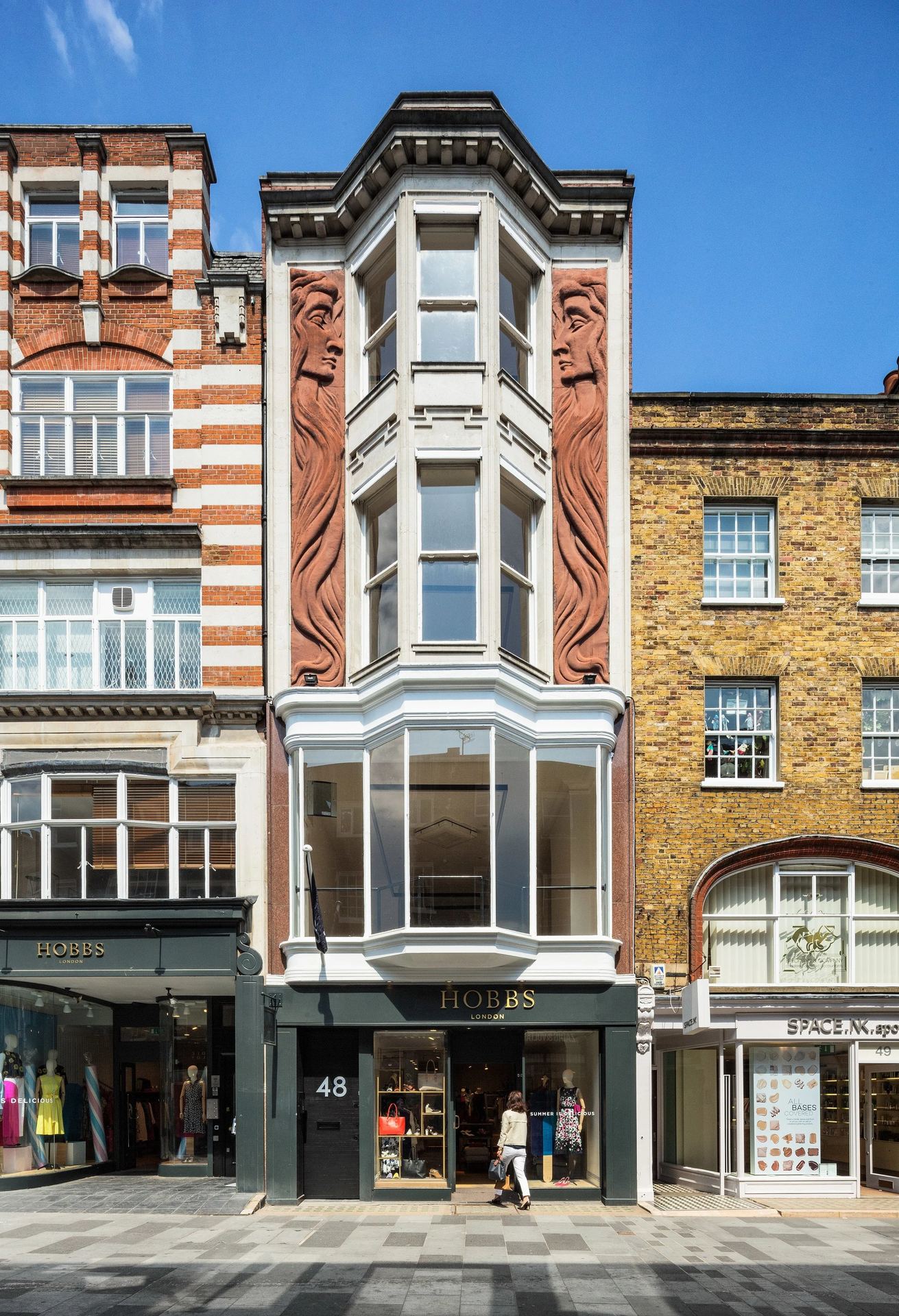
Heritage photography has to show age as a quality rather than a defect, which means resisting the urge to clean everything up in post.
Heritage
Age is the subject, not a problem
The instinct with retouching is to tidy: even out the stonework, lift the shadows, clean the patina off the metal. On a heritage building that instinct destroys the thing you were hired to photograph.
Weathering, wear, settlement, and repair are the record of a building's life, and they are usually exactly what a conservation officer, a heritage consultant, or a specialist contractor needs to see. The retouching brief on this work is lighter, not heavier: correcting perspective and balancing exposure, yes, but leaving the surface of the building alone rather than smoothing away exactly the evidence a conservation record exists to capture.
Heritage
Difficult interiors, honestly handled
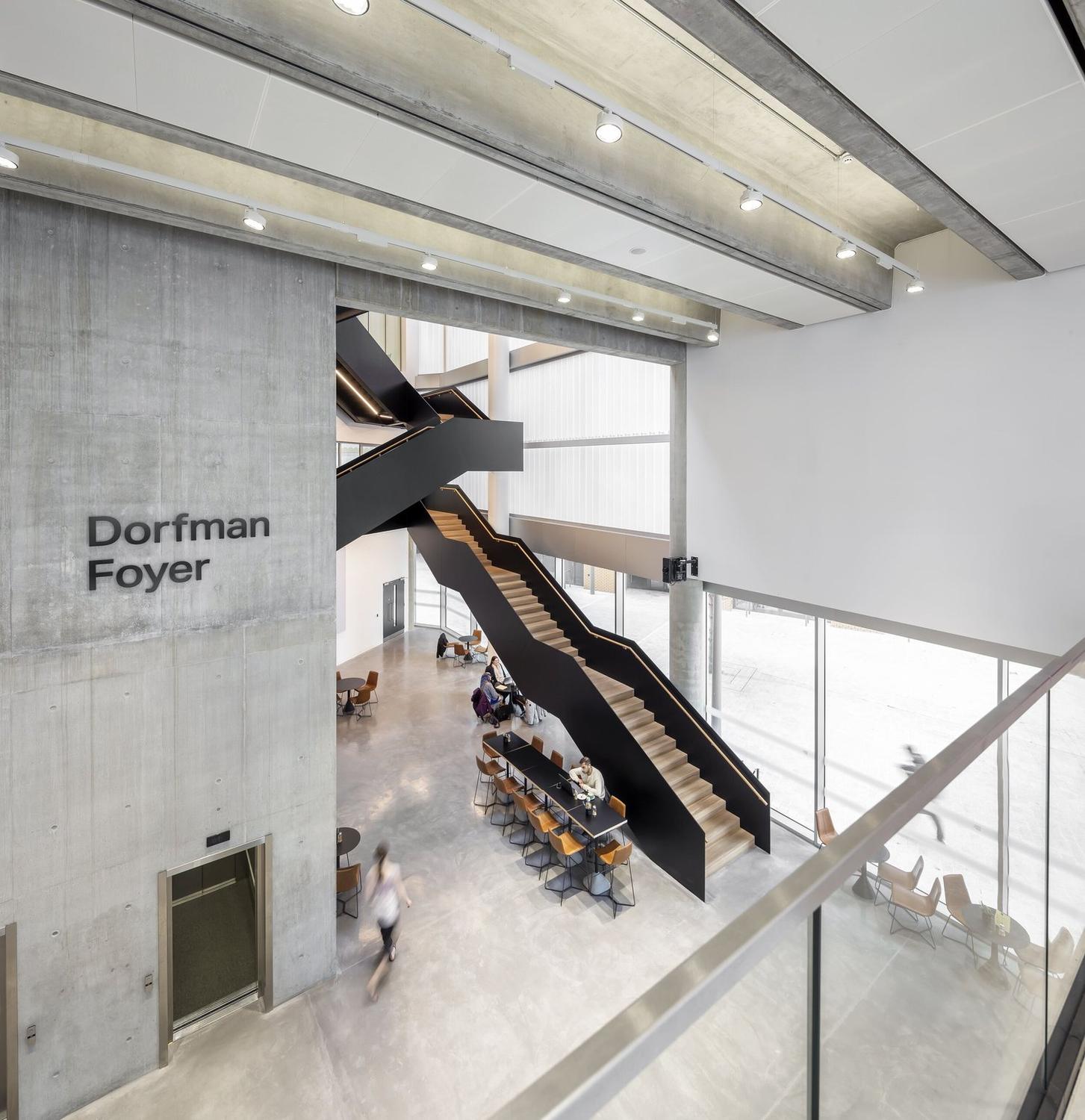
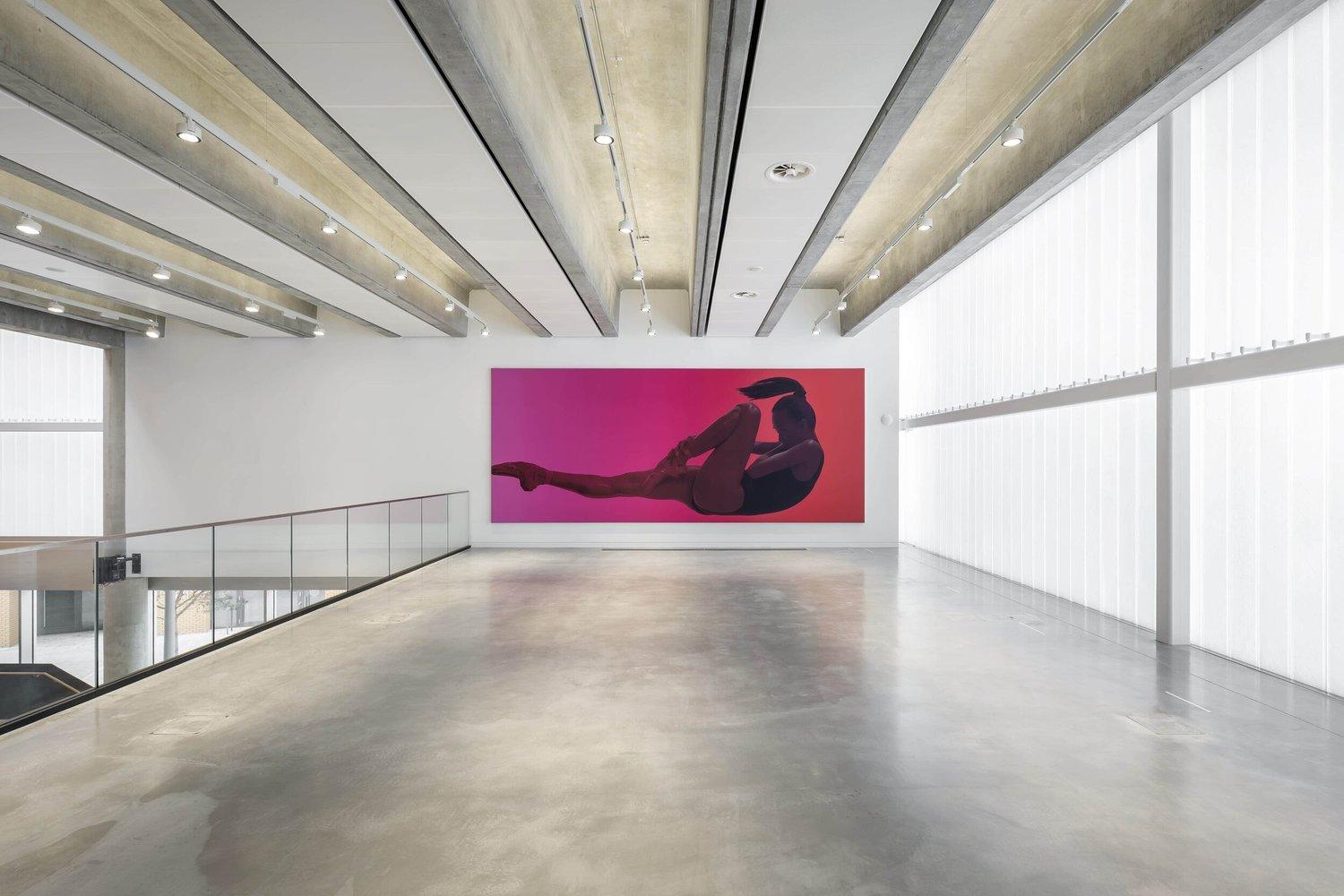
Historic interiors tend to be dark, with small windows, deep reveals, and enormous contrast between a bright window and an unlit corner. They also often cannot be lit conventionally, either because of the fabric or because of restrictions on what can be rigged.
The honest approach is long exposures on a tripod using the available light, balanced carefully, rather than flooding the room with flash that makes it look like somewhere else. A long exposure lets the sensor gather enough of the room's own natural or existing light to render it properly without adding a source that was never part of the space, which matters enormously when the whole point of the image is to show the building as it actually is. It takes longer and it looks like the building actually looks. The same care applies to the detail: joinery, ironmongery, plasterwork, and the junctions where old meets new.
Heritage
Working within conservation constraints
Heritage sites often come with restrictions that a routine commercial shoot never encounters: limits on tripods in certain rooms, no flash or additional lighting near sensitive fabric or fittings, restricted hours around public opening times if the building is open to visitors, and sometimes a conservation officer or curator who needs to sign off on access to particular areas.
None of this is unusual, and none of it needs to slow a shoot down if it is raised at brief stage rather than discovered at the door. Knowing which rooms have restrictions, and whether the visit needs to happen before opening, after closing, or on a day the building is shut entirely, is a five minute conversation that saves a wasted trip.
Heritage
What a conservation record actually needs
Beyond the obvious wide views of a heritage building, the images that earn their keep in a genuine conservation record tend to be close, careful detail: the condition of joinery and ironmongery, evidence of masonry repair or replacement, weathering patterns across a facade, and the specific junctions where new work meets original fabric. Those are the frames a conservation officer or a specialist contractor will actually study, as opposed to the wide hero shot that serves marketing.
It is worth naming these in the brief specifically, since a photographer without conservation experience may reasonably default to the kind of shot list a commercial building would need, wide views and a handful of highlights, rather than the closer, more forensic set a heritage record depends on.
Heritage
Before, during, and after restoration
On a restoration or retrofit, the most valuable photography is often the set nobody commissions: the building as found, before work starts. It is the only chance to record the original condition, and once the scaffold is up it is gone.
A three-stage record, as found, mid-works, and completed, is worth far more than a completion shoot alone, both as a conservation record and as evidence of what the work actually involved.
Common questions
Frequently asked
How do you photograph a listed building?
By treating age and patina as the subject rather than something to retouch away, using available light and long exposures for dark historic interiors rather than heavy artificial lighting, and paying close attention to detail such as joinery, ironmongery, and plasterwork.
Do you need permission to photograph a heritage building?
For interiors and for private buildings you need the owner's permission, and some sites have additional restrictions on equipment such as tripods or lighting rigs. Raise this at brief stage so any permissions are arranged before the visit.
Should a building be photographed before restoration?
Yes, wherever possible. The as-found condition can only be recorded once, and a three-stage set covering before, during, and after is far more useful than a completion shoot alone.
What restrictions are common when photographing a heritage site?
Limits on tripods or additional lighting in certain rooms, restricted hours around public opening times, and sometimes sign-off needed from a conservation officer or curator for access to particular areas. Raising these at brief stage avoids a wasted visit.
What detail shots matter most for a conservation record?
Close, careful documentation of joinery, ironmongery, masonry condition, weathering patterns, and the junctions where new work meets original fabric, since these are what a conservation officer or specialist contractor will actually study, rather than a wide marketing hero shot.
Where to next