Journal · Commercial
What does commercial property photography need to show?
Commercial images serve three different audiences at once: tenants deciding whether to view, investors assessing an asset, and press. Each wants something different.
Commercial
Three audiences, one shoot
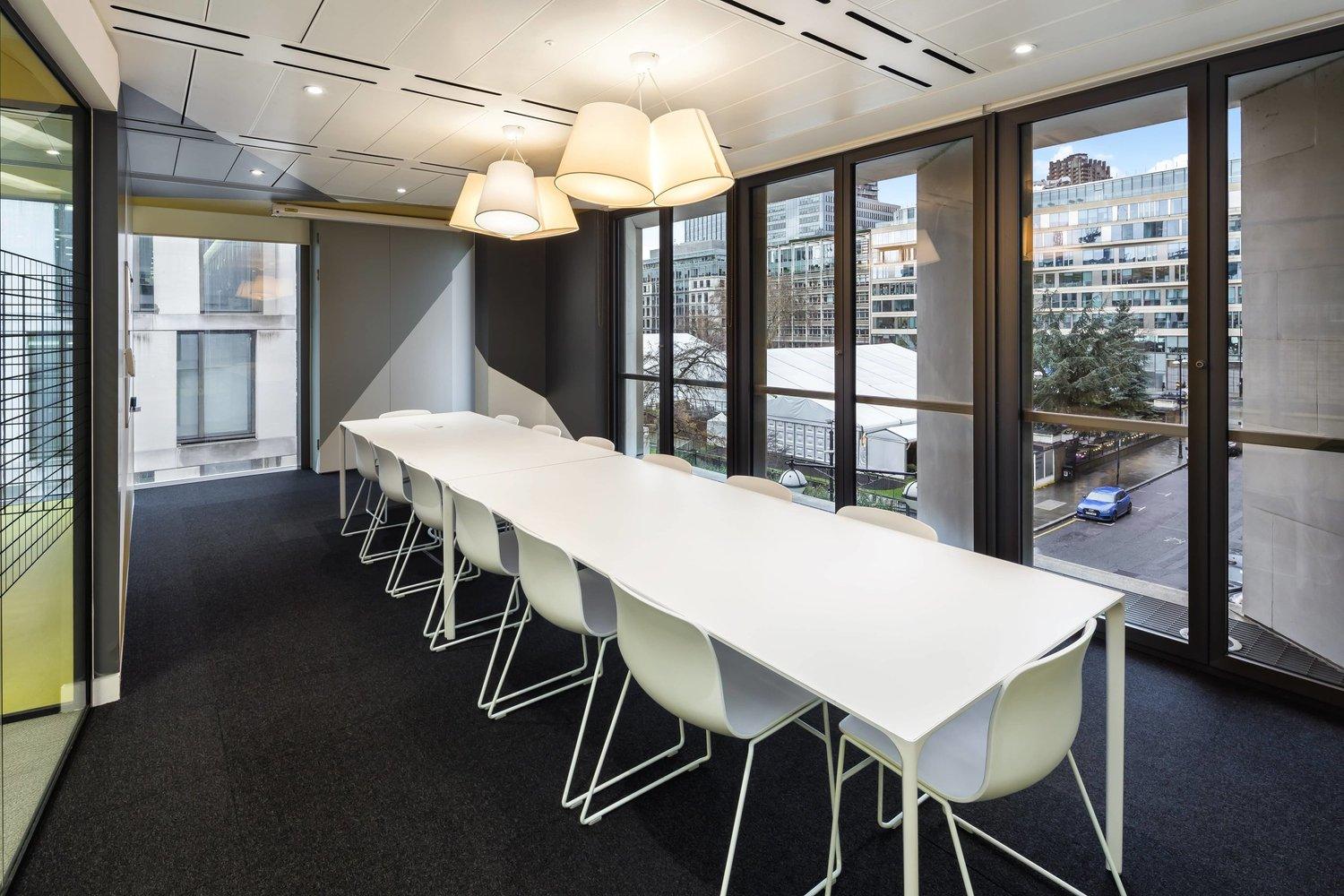
A prospective tenant is deciding whether the building is worth a viewing. They want the arrival, the reception, the floorplate, the light, and the amenities, shown honestly, because a set that oversells and disappoints at viewing wastes everyone's time.
An investor is assessing an asset. They want the building in its context, the quality of the specification, and evidence that it is well kept, images that read as due diligence as much as marketing.
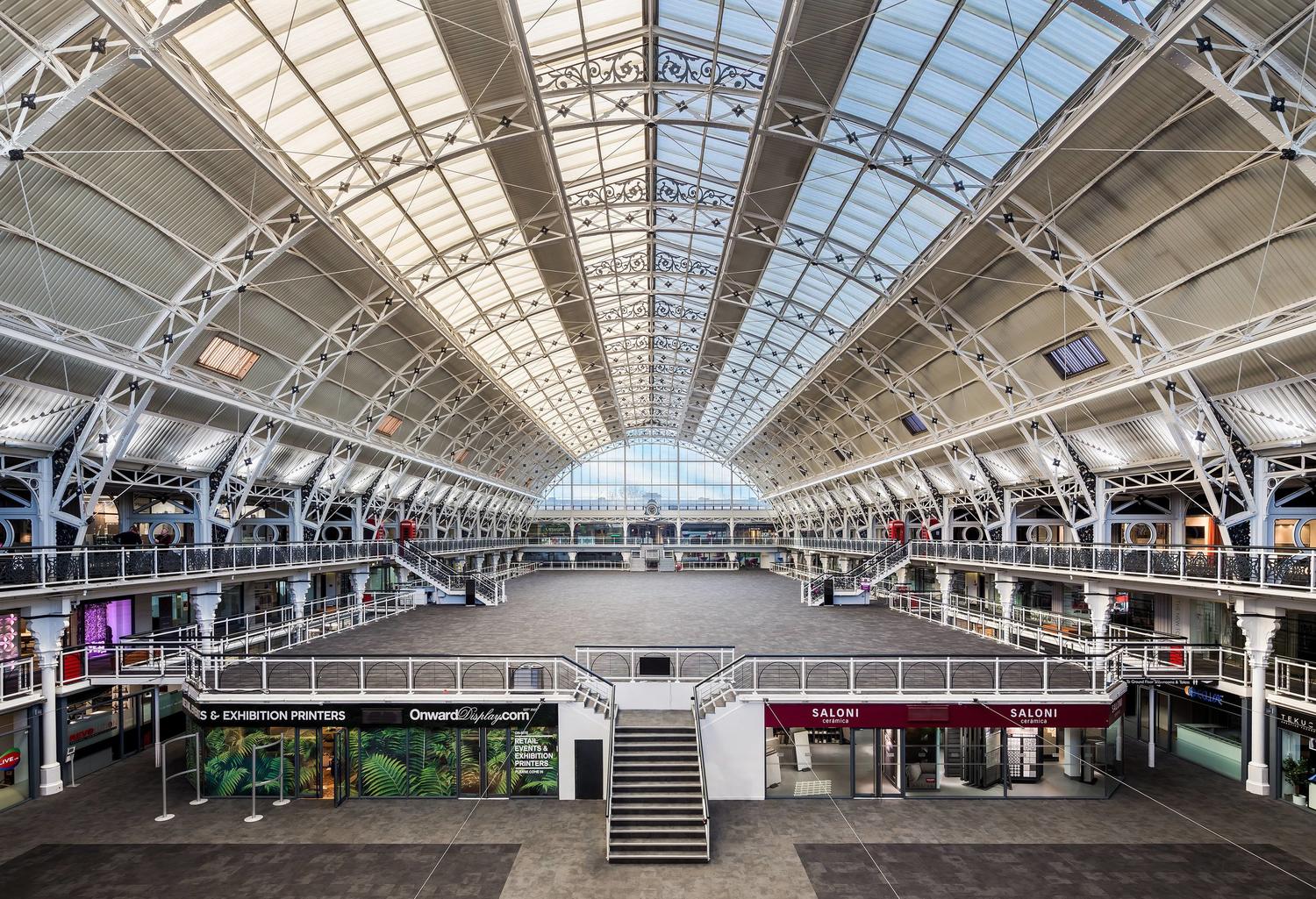
Press and awards want one or two images with a point of view: the facade doing something interesting, the atrium, the detail that makes the scheme worth writing about. Trying to produce that single striking image and the comprehensive practical set from the same few frames rarely works, which is why the brief needs to name which audiences matter most.
Commercial
The floorplate problem
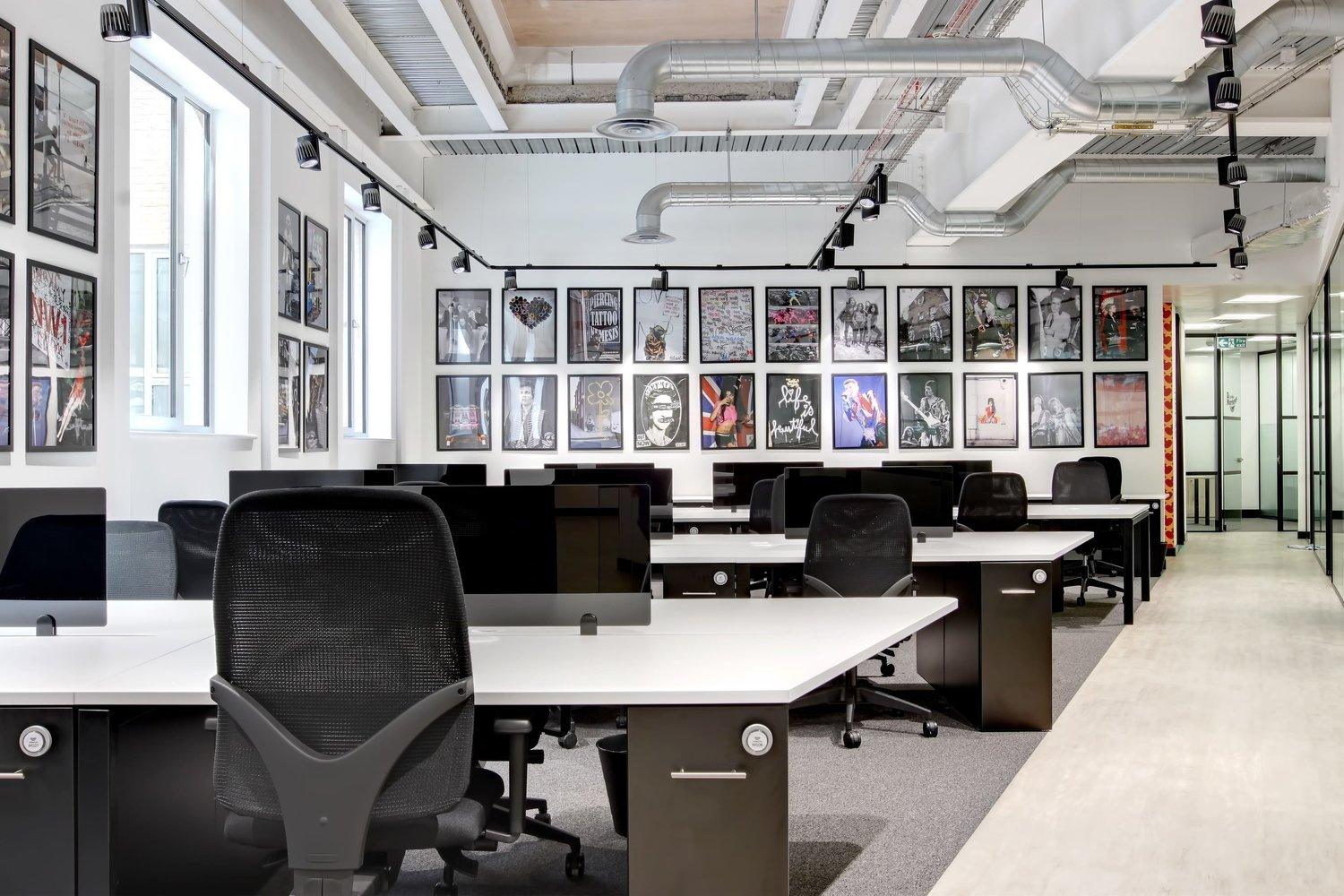
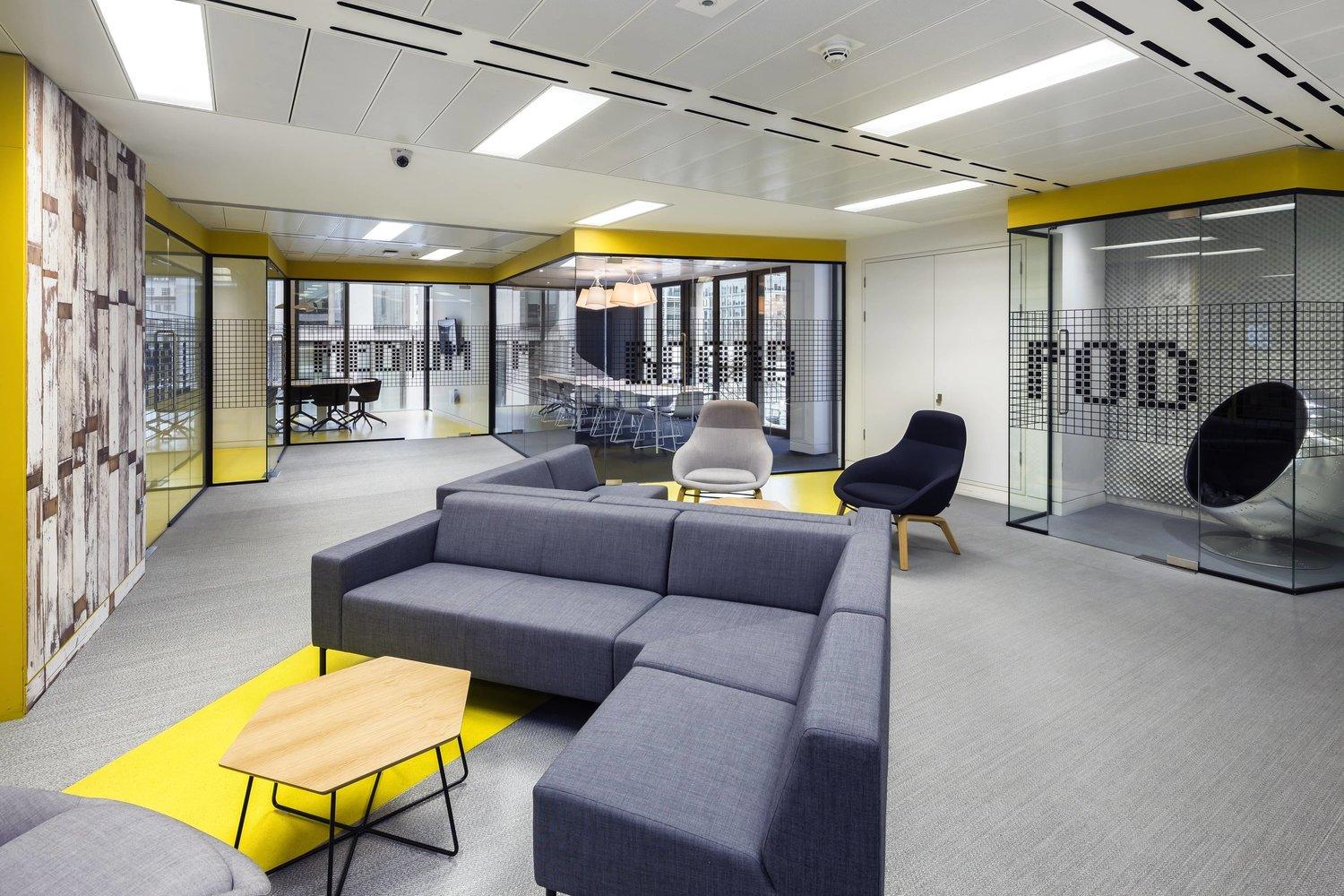
Empty commercial floorplates are among the hardest interiors to photograph well. They are large, grey, repetitive, and lit by fluorescents or LED panels that fight with the daylight from the windows, often at a noticeably different colour temperature, which makes a straight, uncorrected shot look patchy and cold at the same time.
The usual answers are to shoot toward a window with a view rather than into the depth of the plate, to use the ceiling grid and columns as structure in the frame so an otherwise featureless space has some visual rhythm, and to balance the interior lighting against the exterior so the windows are not just white shapes. It is a technical problem more than a creative one, and it is where inexperience shows: an empty floorplate photographed badly looks like a warehouse, and photographed well looks like an opportunity.
Commercial
Reception and arrival are worth the time
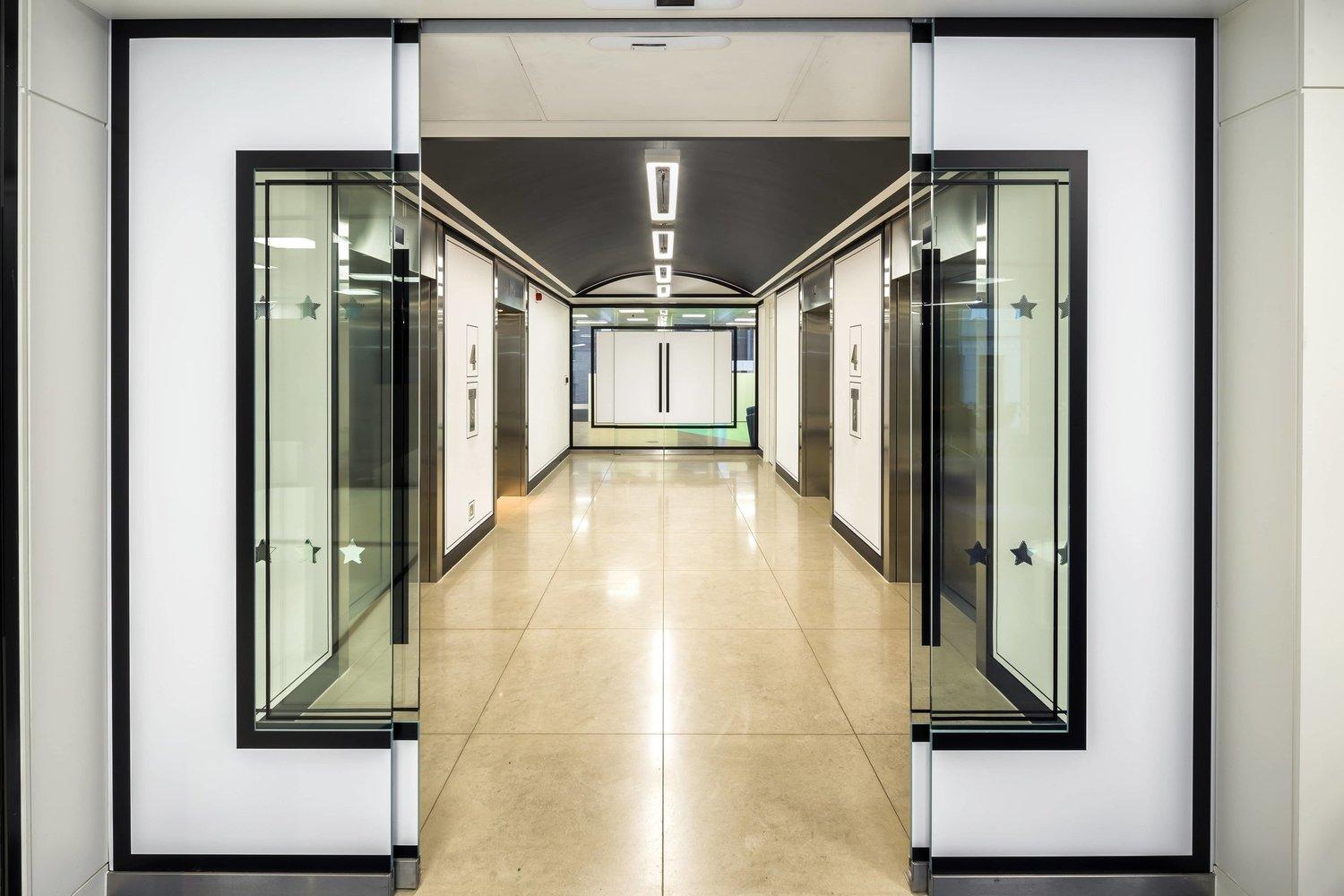
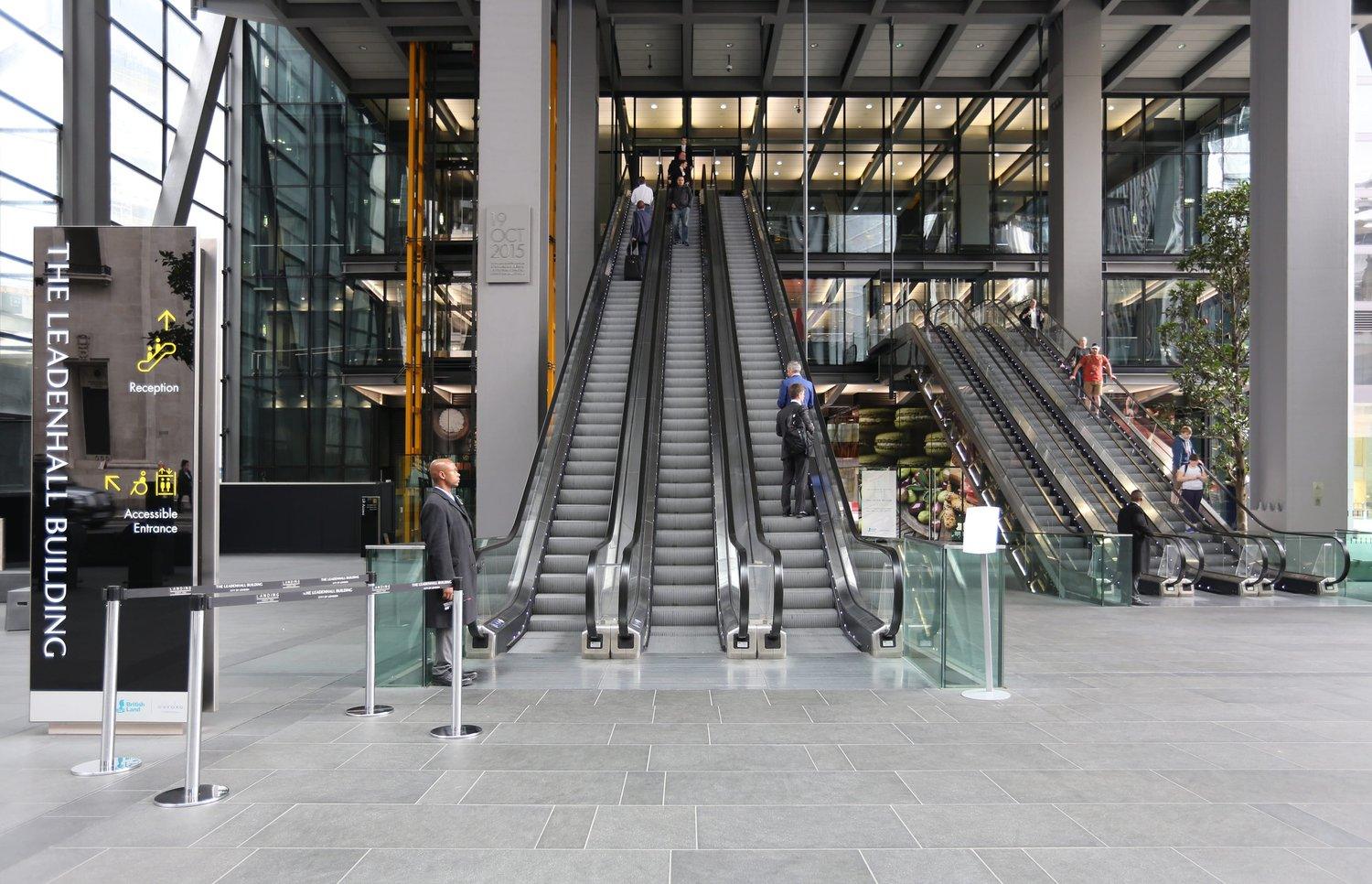
The reception is the single most photographed space in any commercial building, because it appears in the brochure, on the website, in the agent's particulars, and in press. It is worth a disproportionate share of the shoot, often more setups and more careful lighting than any other single space in the building.
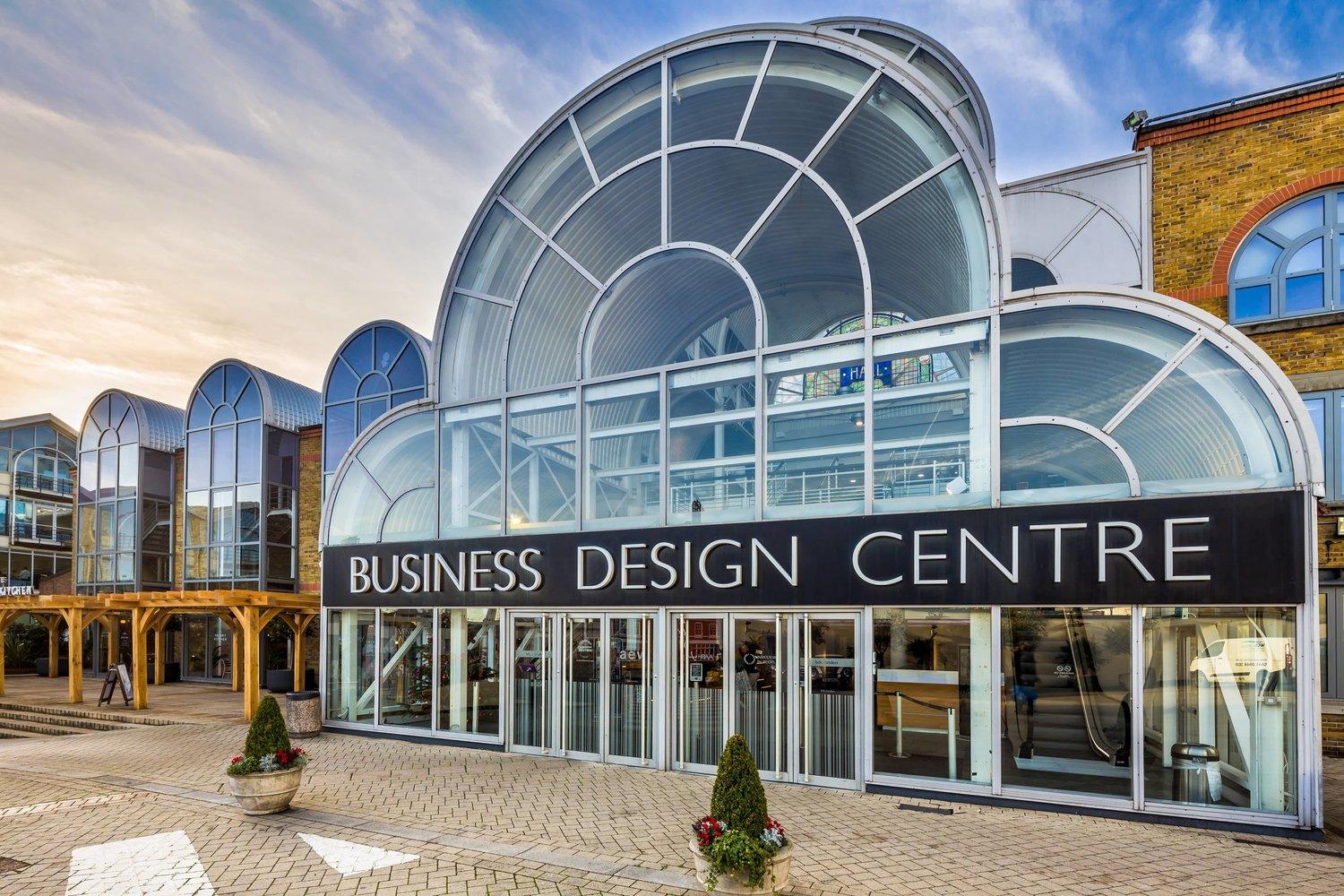
The same applies to the facade from the approach: the view a visitor gets walking up to the building, which is what people actually recognise it by, more than any interior shot ever will be.
Commercial
Amenity and building services as a selling point
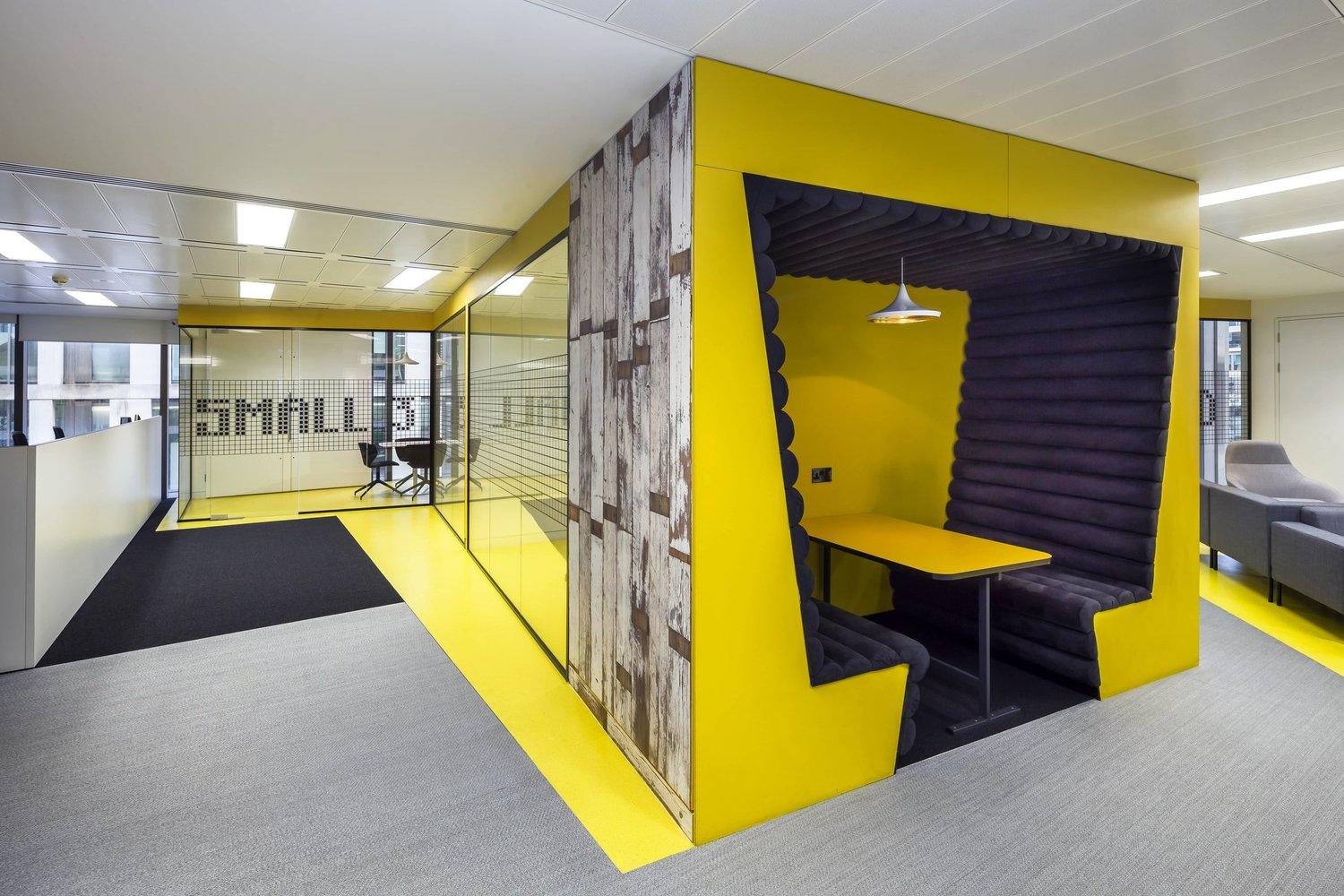
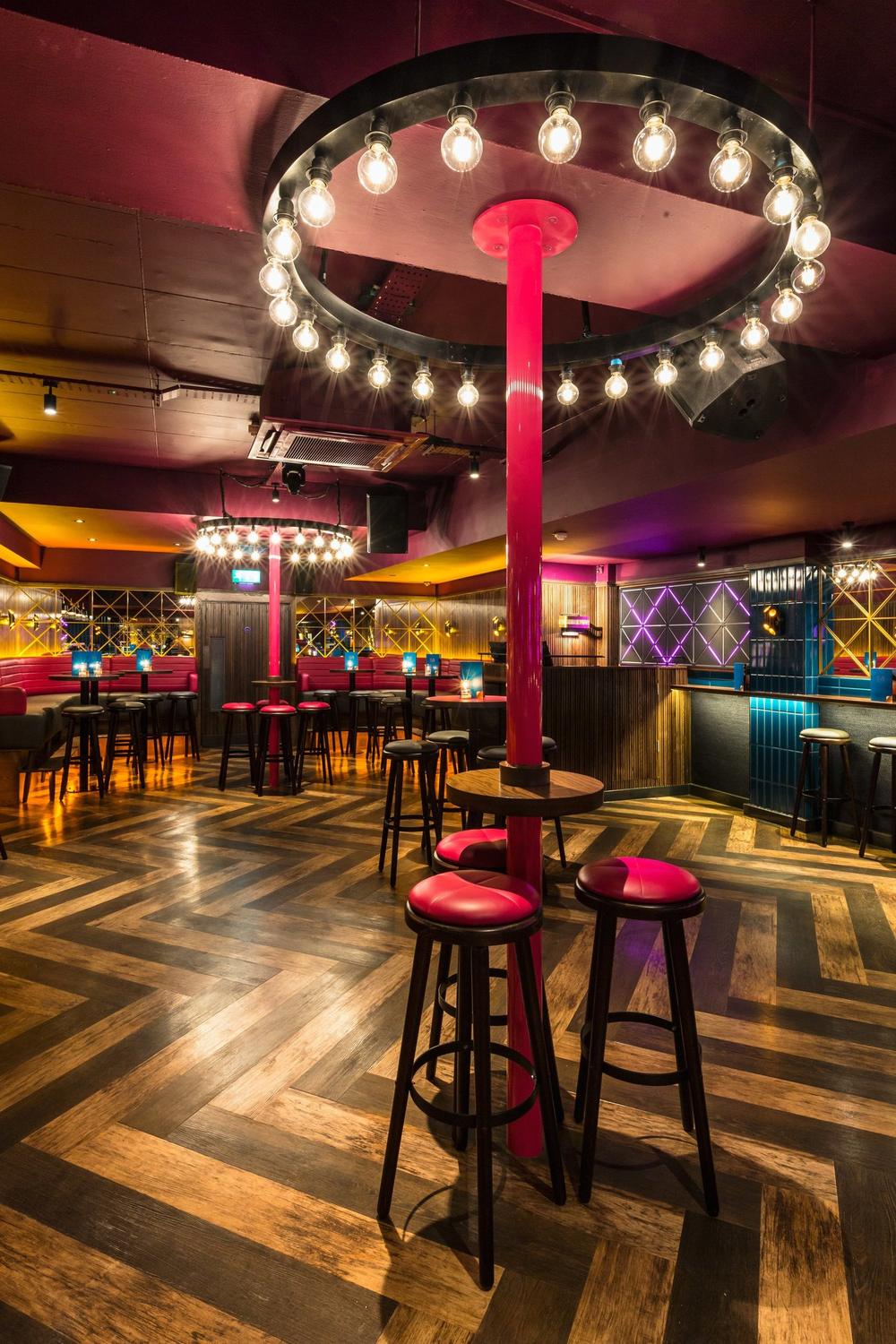
Modern commercial buildings compete heavily on amenity, end of trip cycle storage and showers, a gym, a roof terrace, a business lounge, and those spaces are increasingly what an agent leads with rather than treating as an afterthought after the floorplates. They are also often the spaces easiest to photograph well, since they tend to be designed with more personality and better lighting than a plain office floor.
It is worth confirming which of these exist and are finished at brief stage, since a building's amenity offer sometimes completes on a different timeline to the office floors themselves, and a shoot that misses them because nobody mentioned they existed is a missed opportunity rather than a technical failure.
Commercial
Exterior context and the approach
A tenant or investor is not only buying the building, they are buying its position: how close it sits to a station, what the street looks like on the walk from the entrance, and how the building presents itself among its neighbours. An exterior set that only shows a tightly cropped facade misses that context entirely, and it is the kind of detail agents and investors both notice its absence of.
Where it is relevant, a wider context shot from the approach, showing the building settling into its street rather than isolated against the sky, does real work in a commercial set, particularly for anything being marketed on location as much as on specification.
Common questions
Frequently asked
What does commercial property photography include?
Typically the exterior in context, the arrival and reception, the floorplates, the amenity spaces, and key detail. The same set usually has to serve tenants, investors, and press, which is why the brief matters.
How do you photograph an empty office floorplate?
Usually by shooting toward a window rather than into the depth of the plate, using the ceiling grid and columns to give the frame structure, and balancing the artificial lighting against the daylight so the windows hold their view rather than burning out.
What images do commercial agents need most?
Reception and arrival images, a clean exterior, and floorplates that read as usable space. The reception shot is generally the most reused image in a commercial set.
Should amenity spaces like gyms or roof terraces be photographed separately?
They are usually worth including in the same visit, and increasingly they are what an agent leads with. Confirm at brief stage which amenity spaces exist and are finished, since they sometimes complete on a different schedule to the main office floors.
How is commercial photography different for investors compared with tenants?
An investor audience wants the building in its context and evidence it is well specified and well maintained, closer to due diligence than marketing. A tenant audience wants an honest read of the space they would actually occupy, the light, the floorplate, and the amenities.
Where to next