Journal · Explained
What is the difference between architectural and real estate photography?
Real estate photography sells a specific property quickly and cheaply. Architectural photography documents a design properly, for portfolios, press, and awards. Different jobs.
Explained
Different purposes
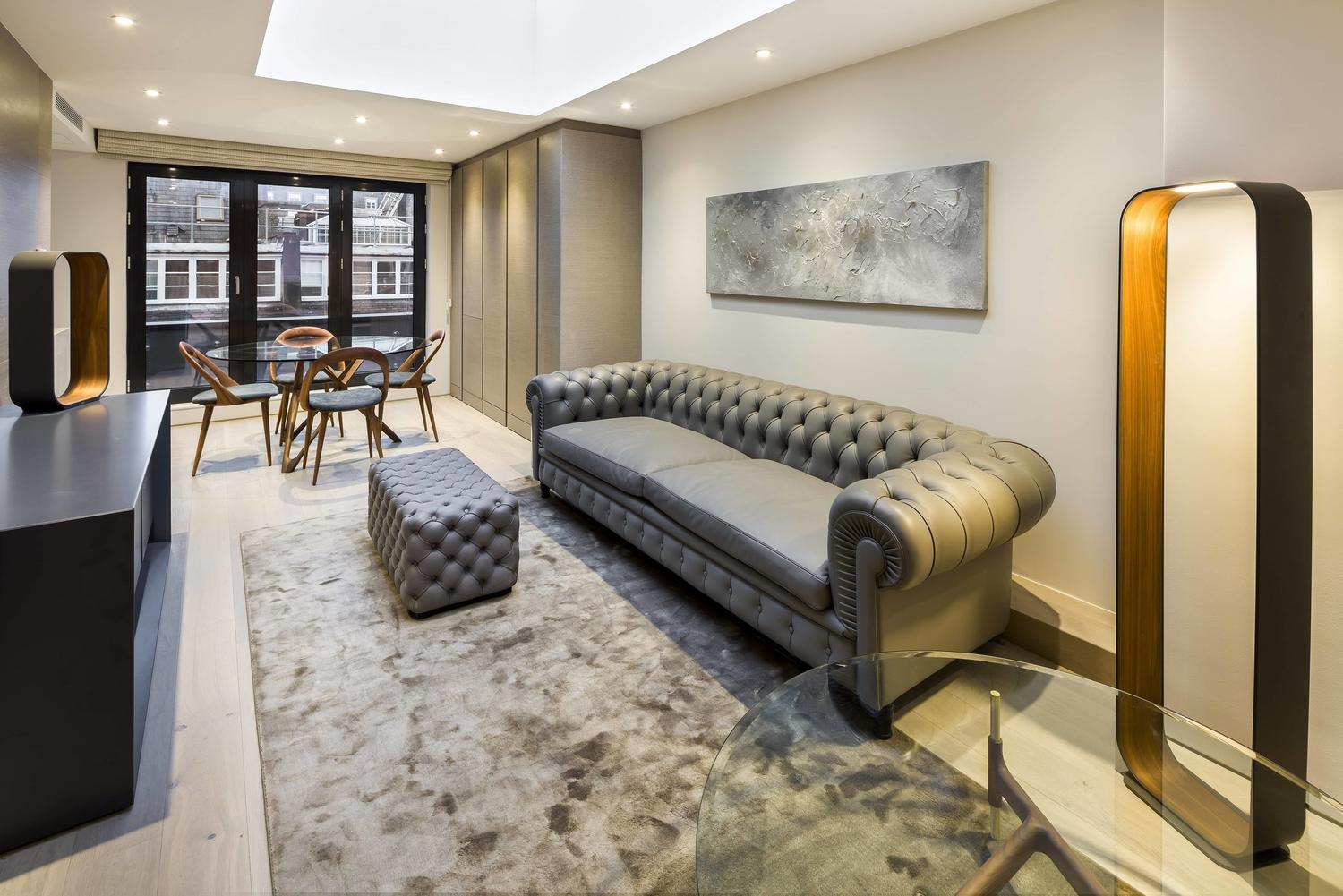
Real estate photography exists to sell or let a specific property. It needs to be fast, affordable, comprehensive, and clear: every room covered, nothing flattering to the point of dishonesty, delivered quickly because the listing goes live on Thursday.
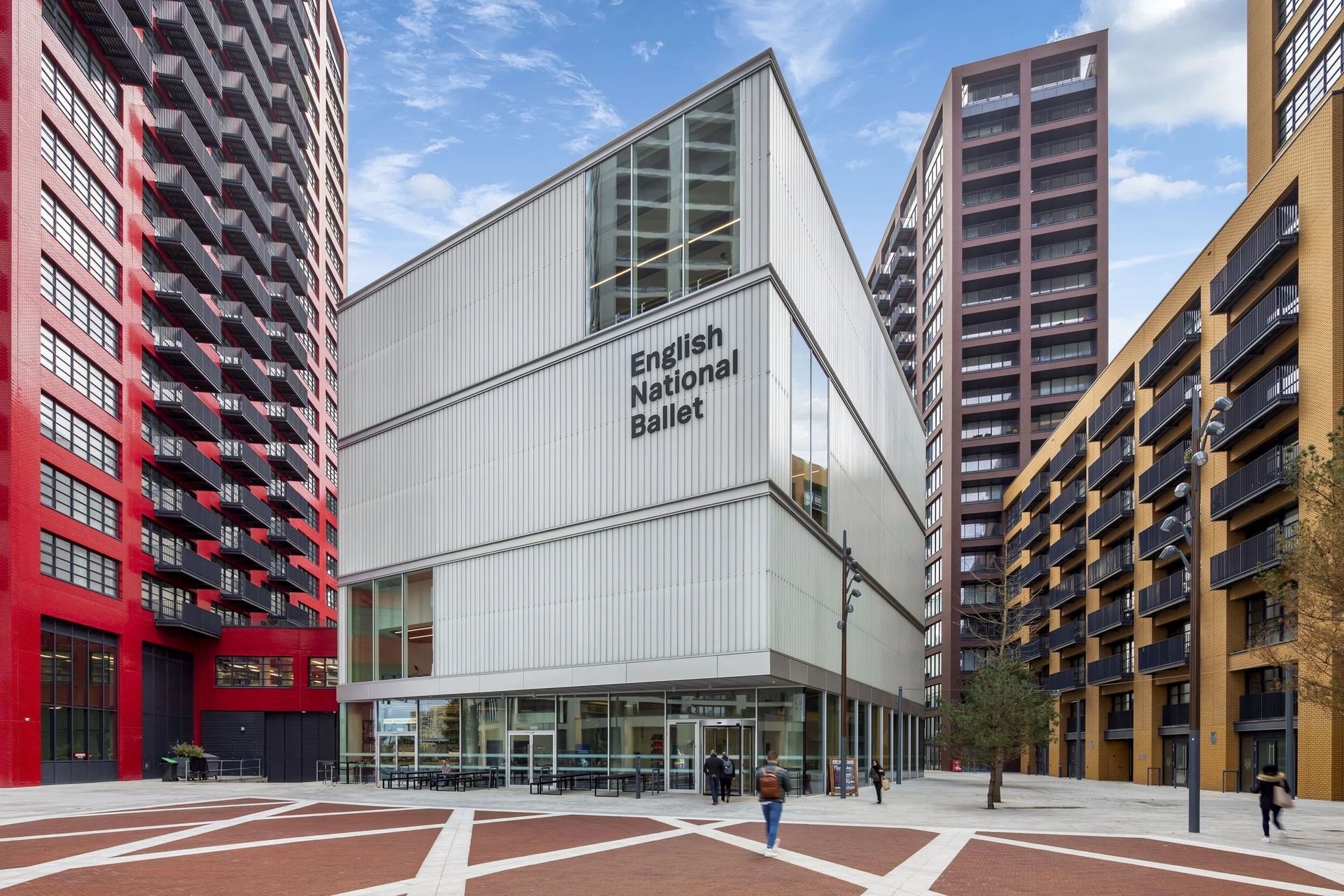
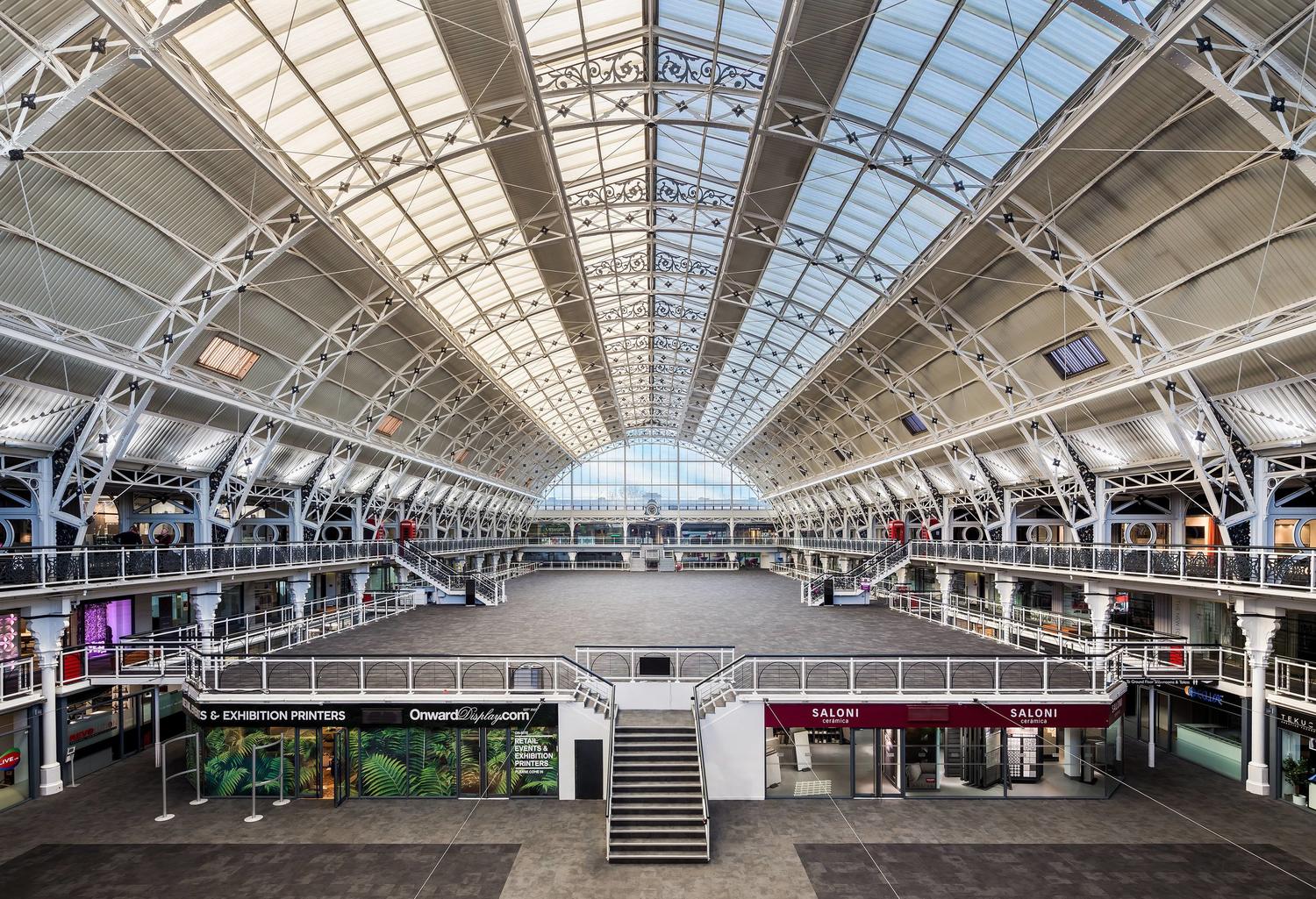
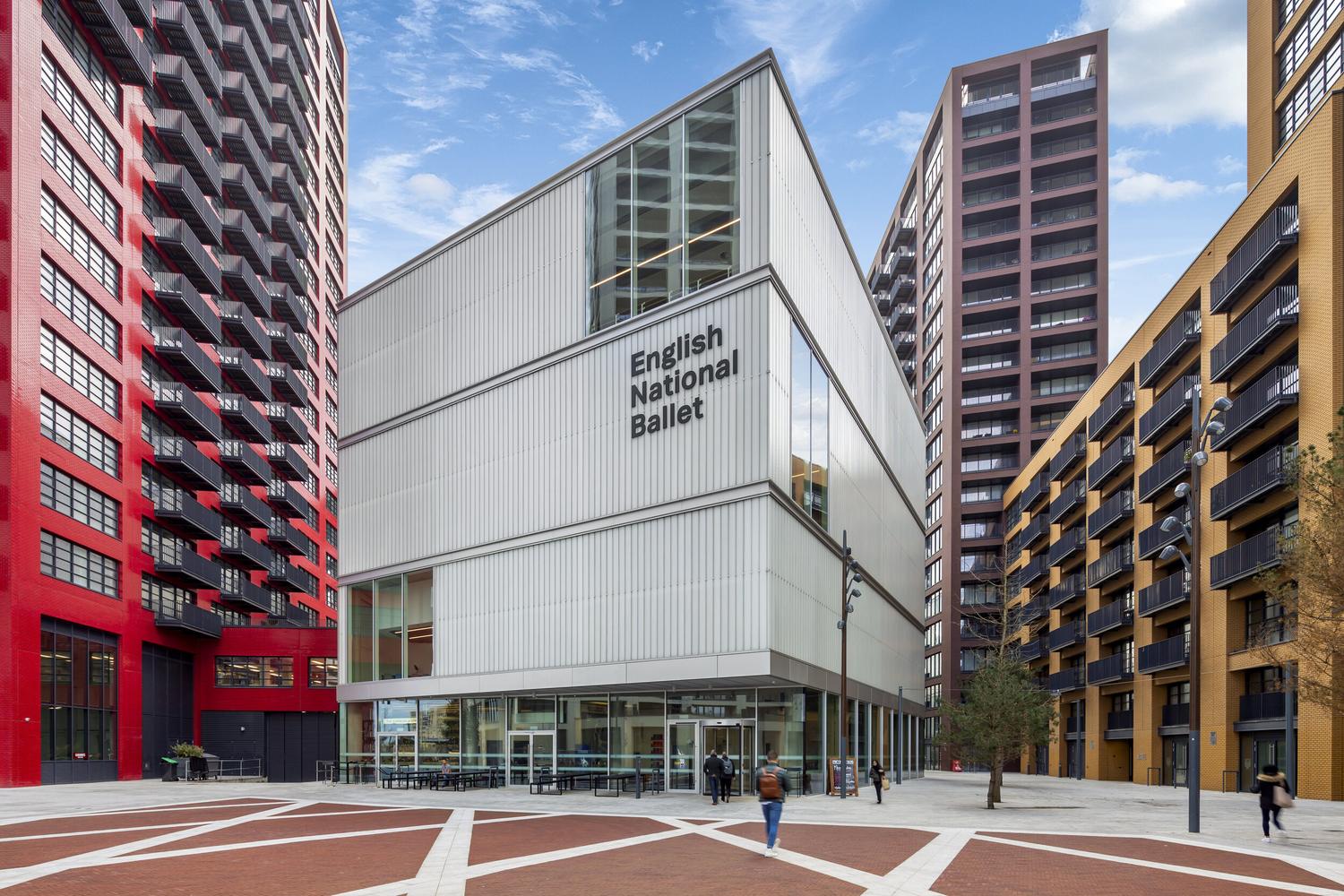
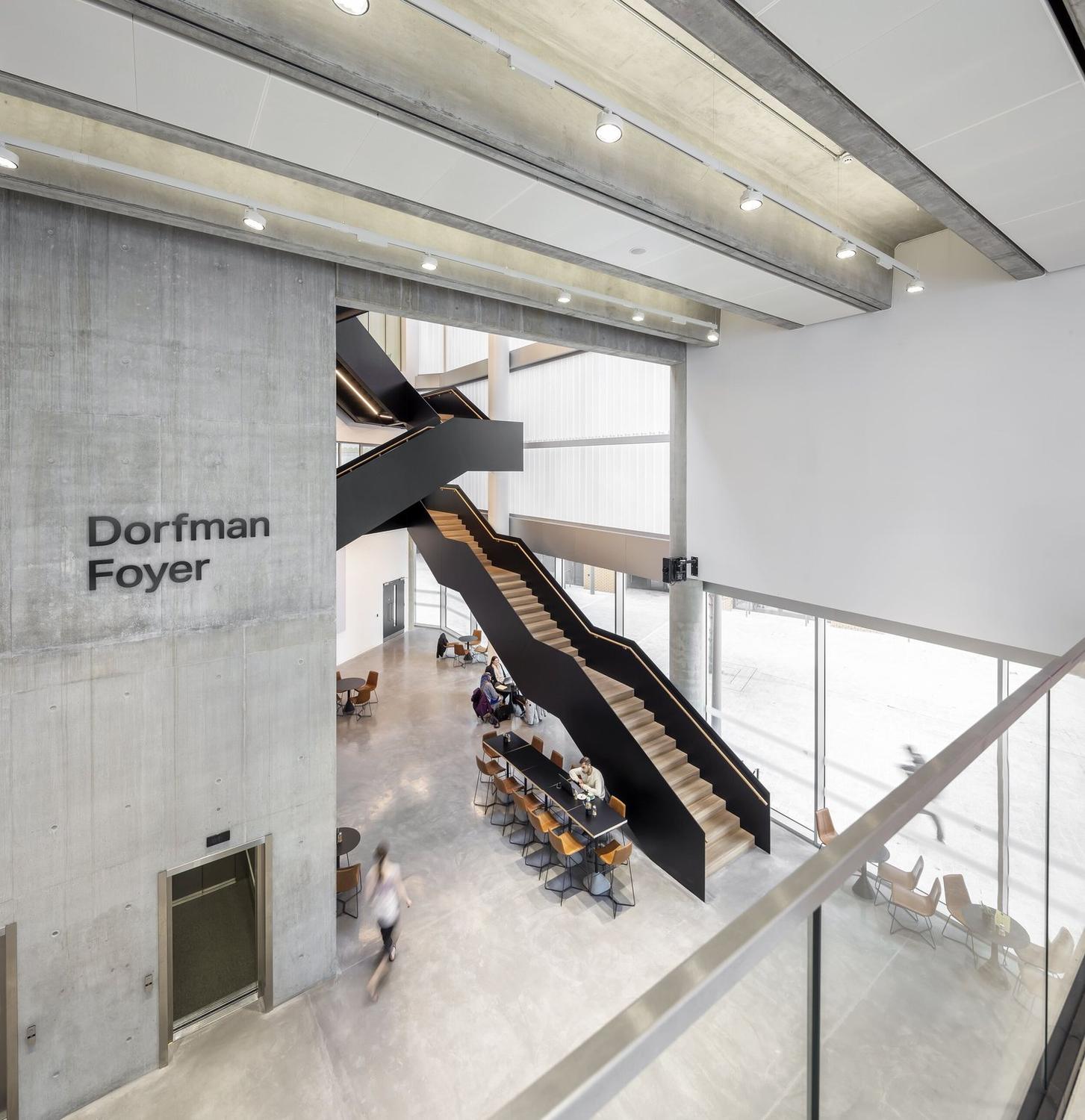
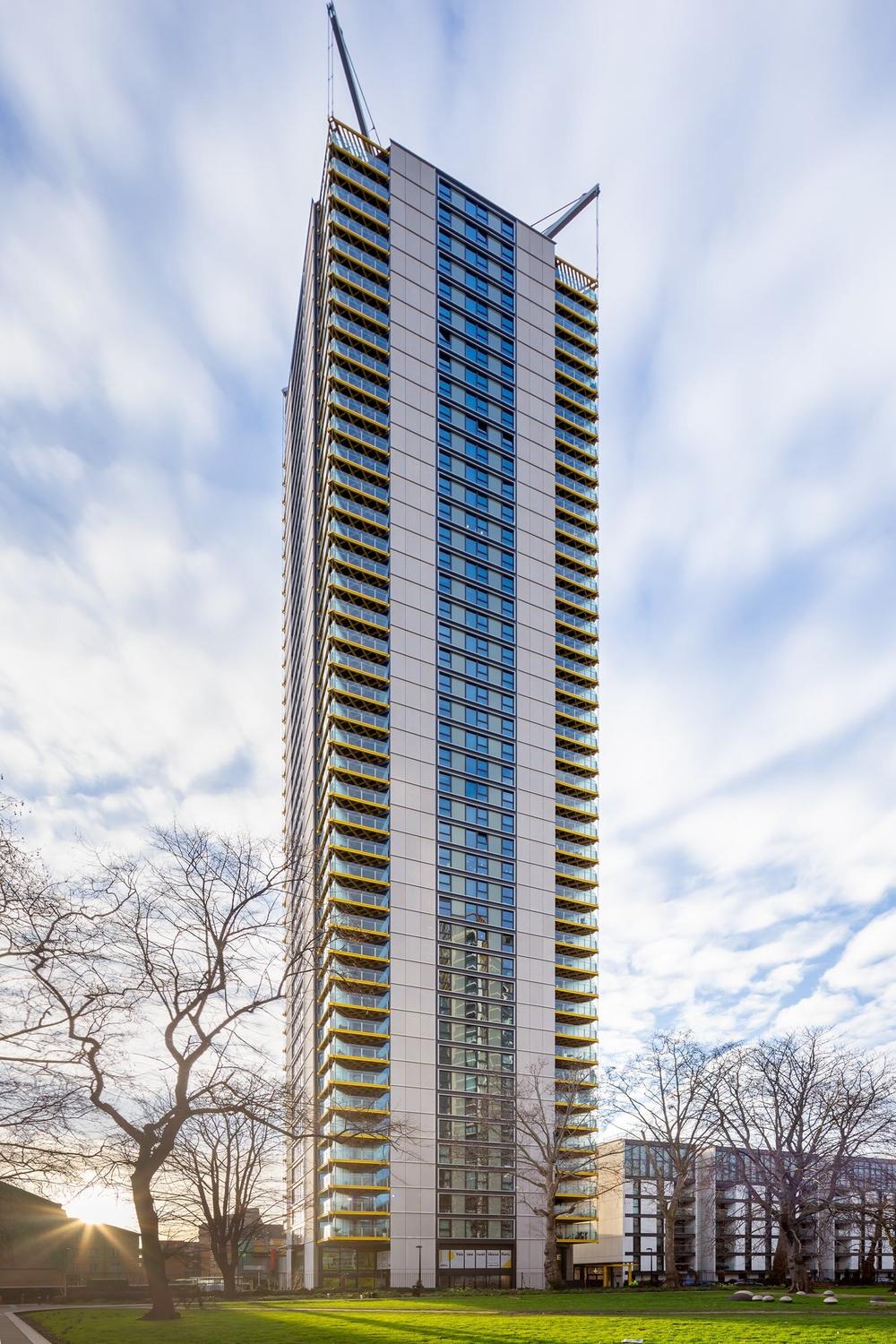
Architectural photography exists to represent a design. Its audiences are portfolios, awards panels, the architectural press, and the marketing of the companies who made the building. It is slower, more selective, and judged on whether it does the design justice rather than on how many rooms it covered.
Explained
Different technique, and it shows
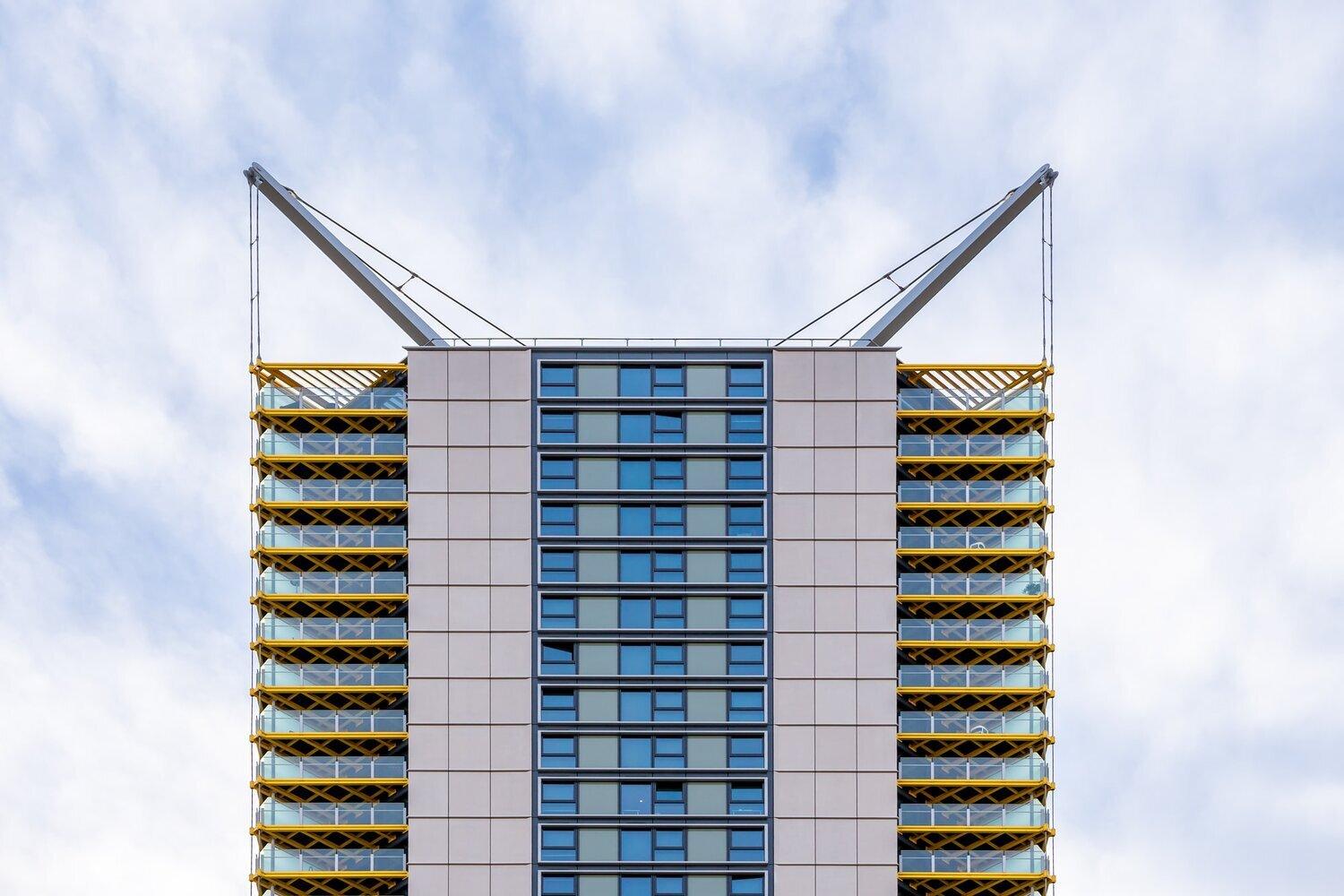
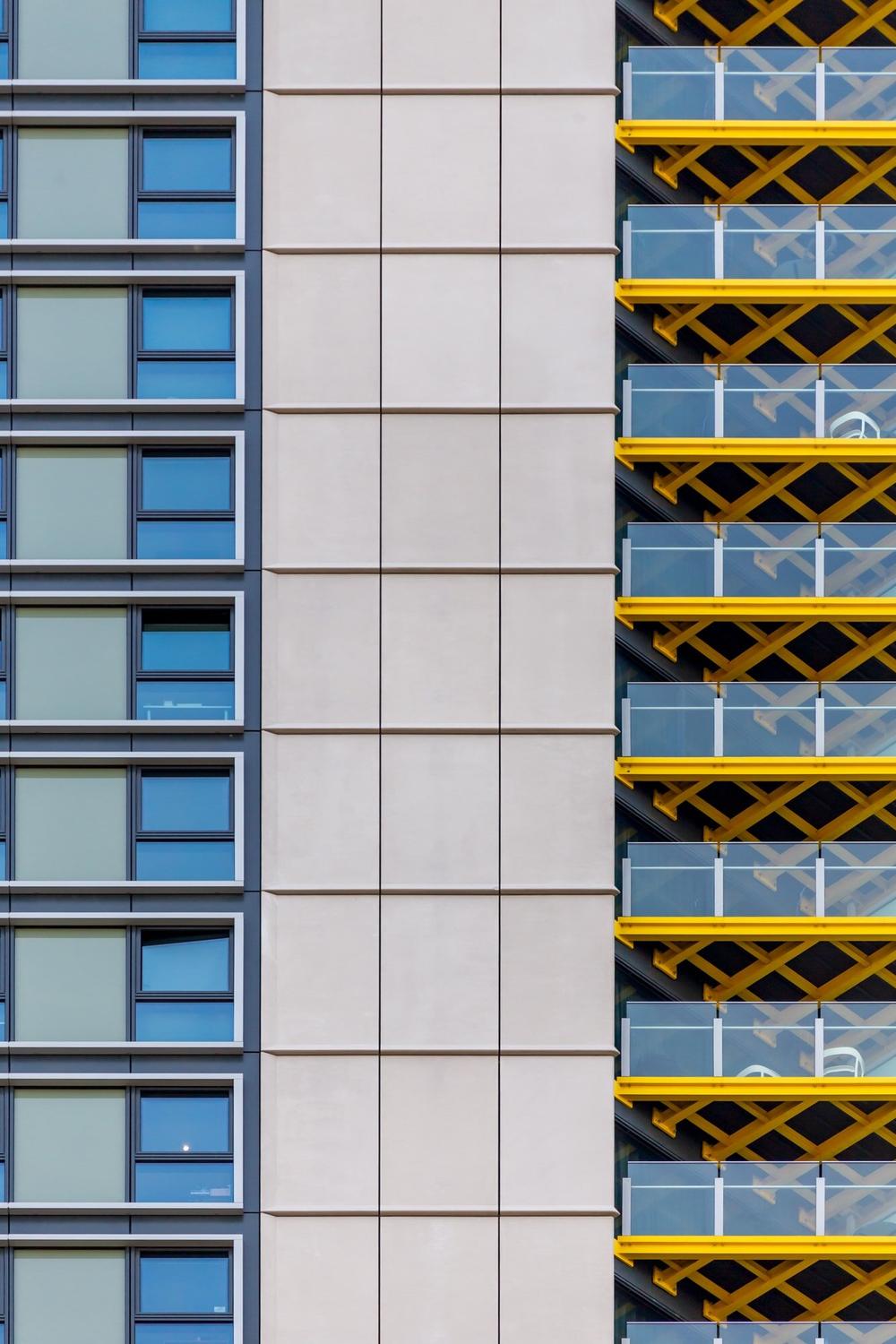
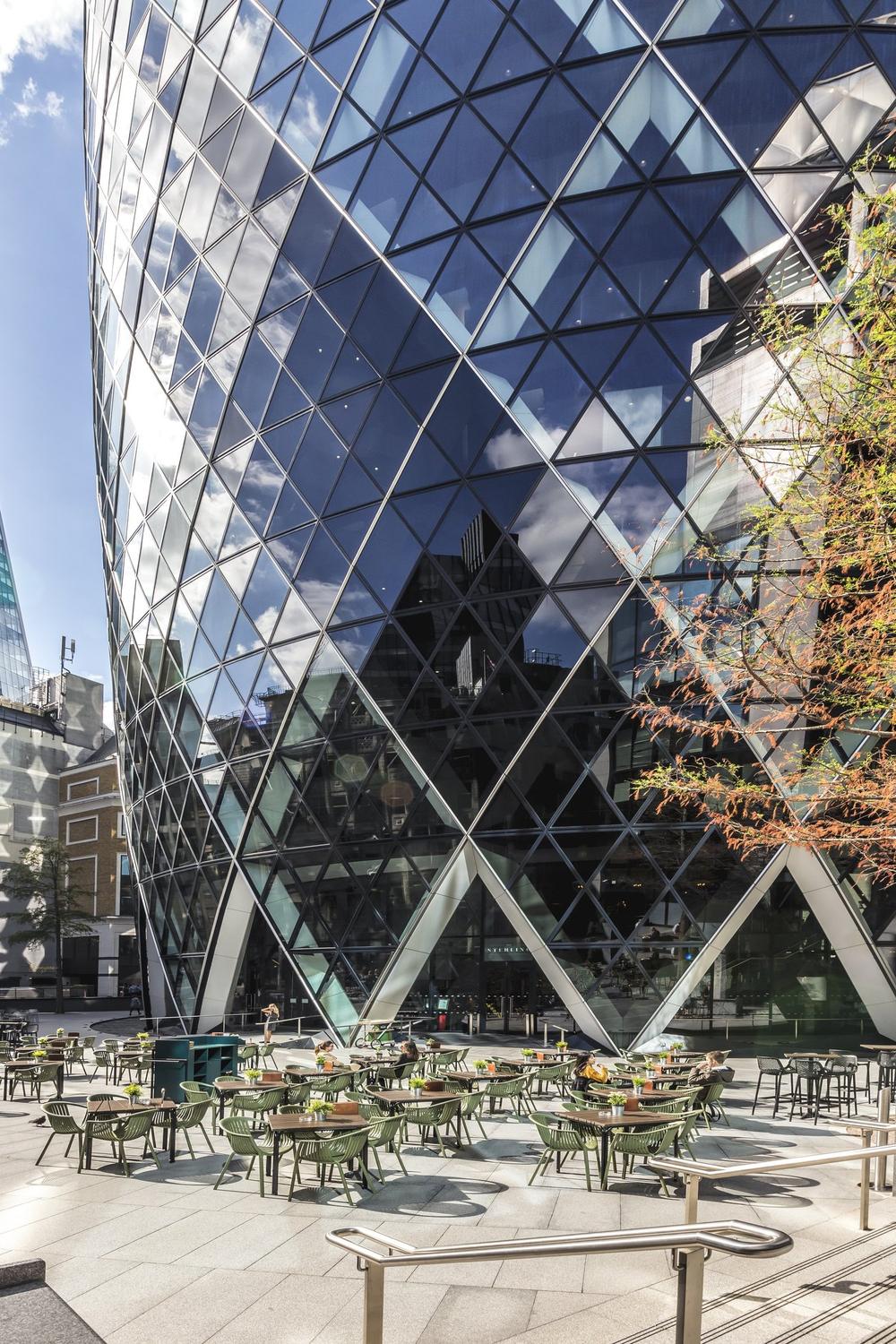
The most visible difference is perspective. Real estate work is often shot on a very wide lens from the corner of a room, which makes spaces look larger and lines converge toward the edges of the frame, a distortion that reads as normal in a listing but would look amateurish in a portfolio. Architectural work keeps verticals parallel, usually with shift lenses that correct perspective at the point of capture rather than approximating it afterwards, because a building's proportions are the point, not an incidental backdrop to the floor area.
The second is light. Real estate shoots take the conditions available, because the listing date rarely moves for weather. Architectural shoots plan around it, and will move a date for a sky, treating the light as part of what is being sold rather than a background detail.
The third is time, both on the day and afterwards. A real estate photographer might cover a whole house in an hour with a fast, standardised editing pass applied across every listing. An architectural photographer might spend that hour on one frame, then spend several more on the retouching, blending brackets, correcting perspective, and balancing colour across mixed light sources, none of which a same-day listing turnaround has time for.
Explained
Where the cost difference actually comes from
Real estate photography is usually priced to be affordable across a very high volume of properties, a flat, low fee per listing with a fast standard turnaround, because a typical agency is commissioning it constantly and margins depend on speed. Architectural photography is priced around a much smaller number of images that each get considerably more time, both on site and in retouching, produced for a use that will be reused for years rather than pulled down when the listing closes.
Neither model is better in the abstract. They are built for entirely different volumes and different lifespans of use, which is why comparing a real estate quote against an architectural one on price alone rarely makes sense.
Explained
Which one do you actually need
If you are letting a flat, marketing a standard unit, or need a whole building covered quickly and cheaply, real estate photography is the right tool and architectural rates would be poor value.
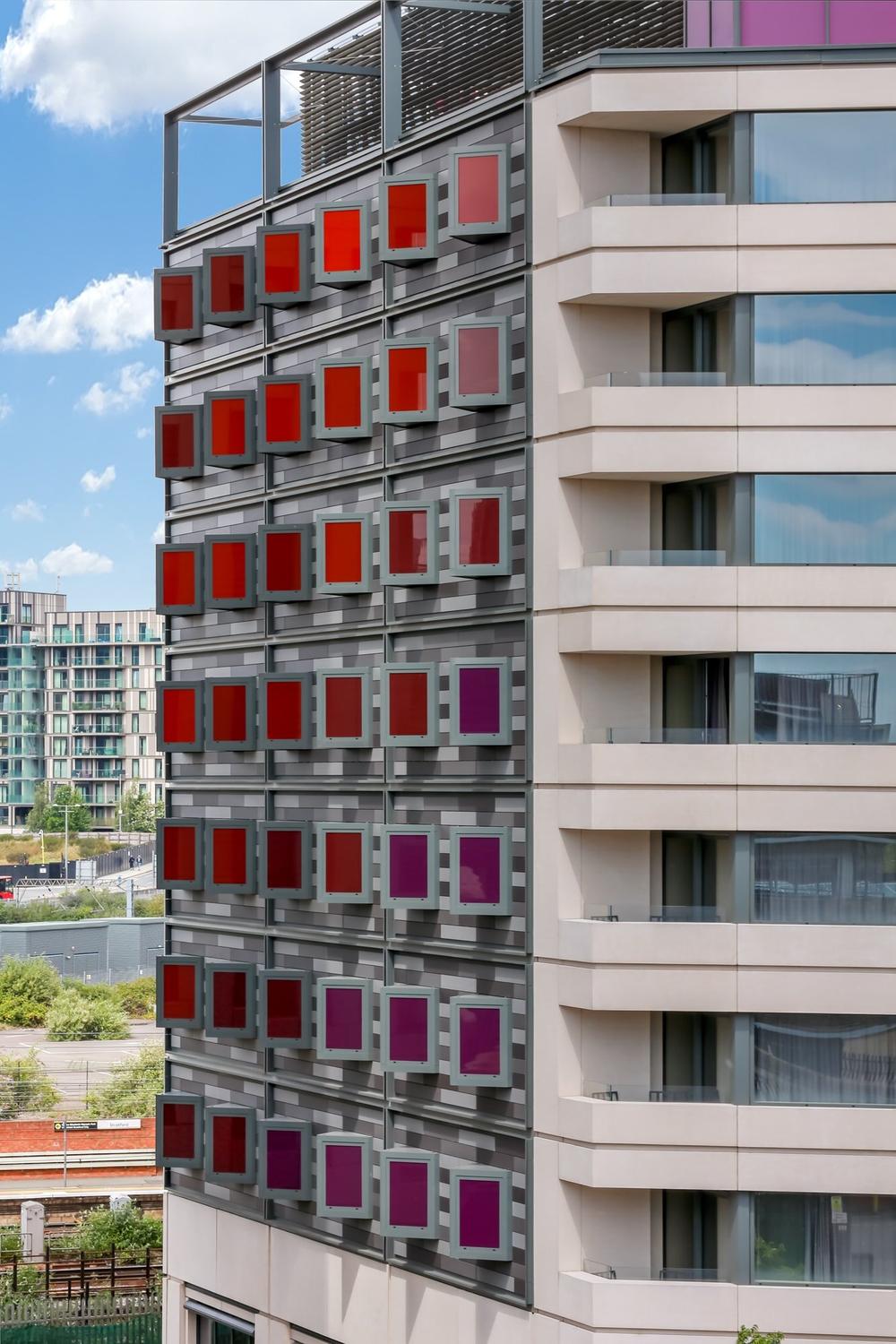
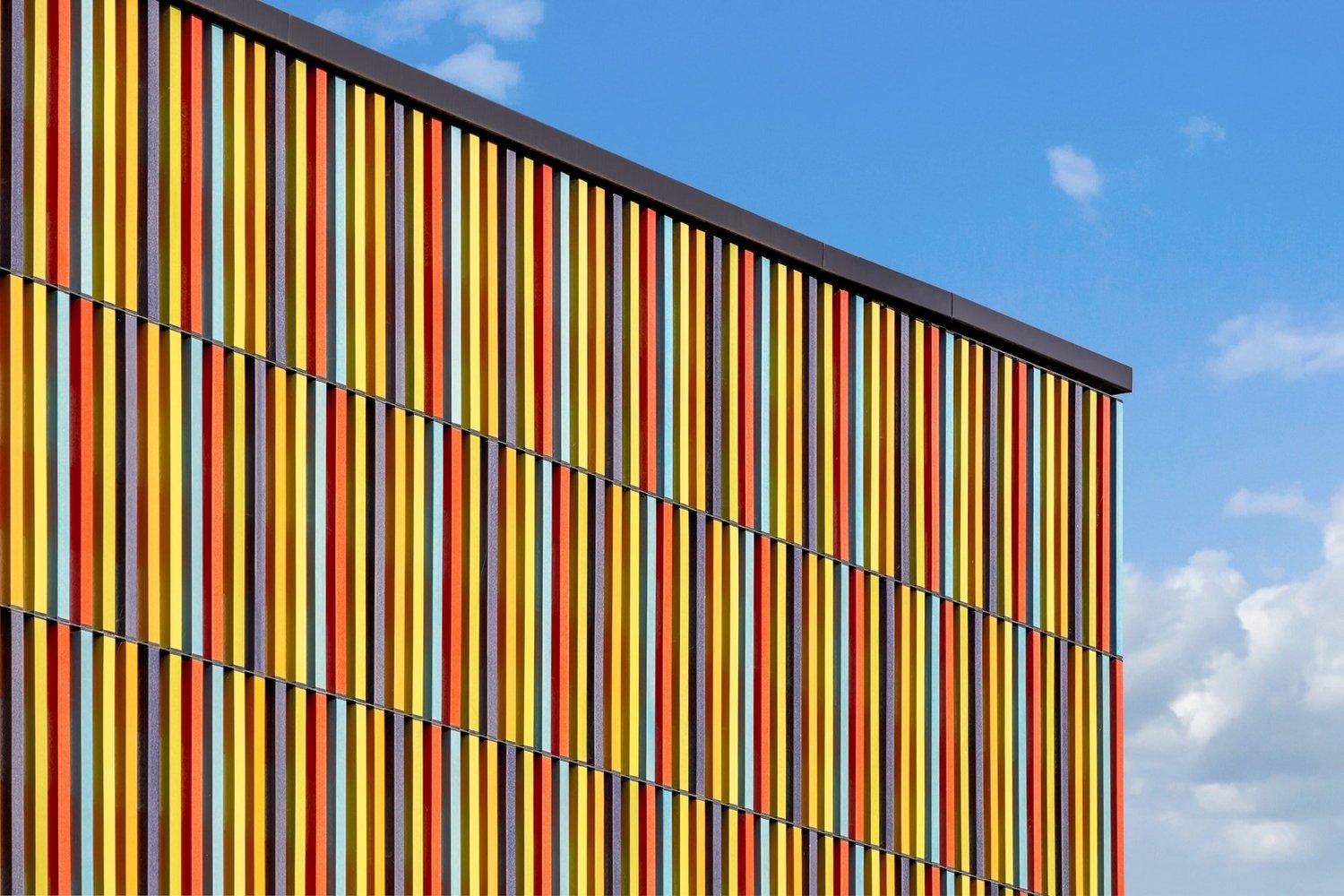
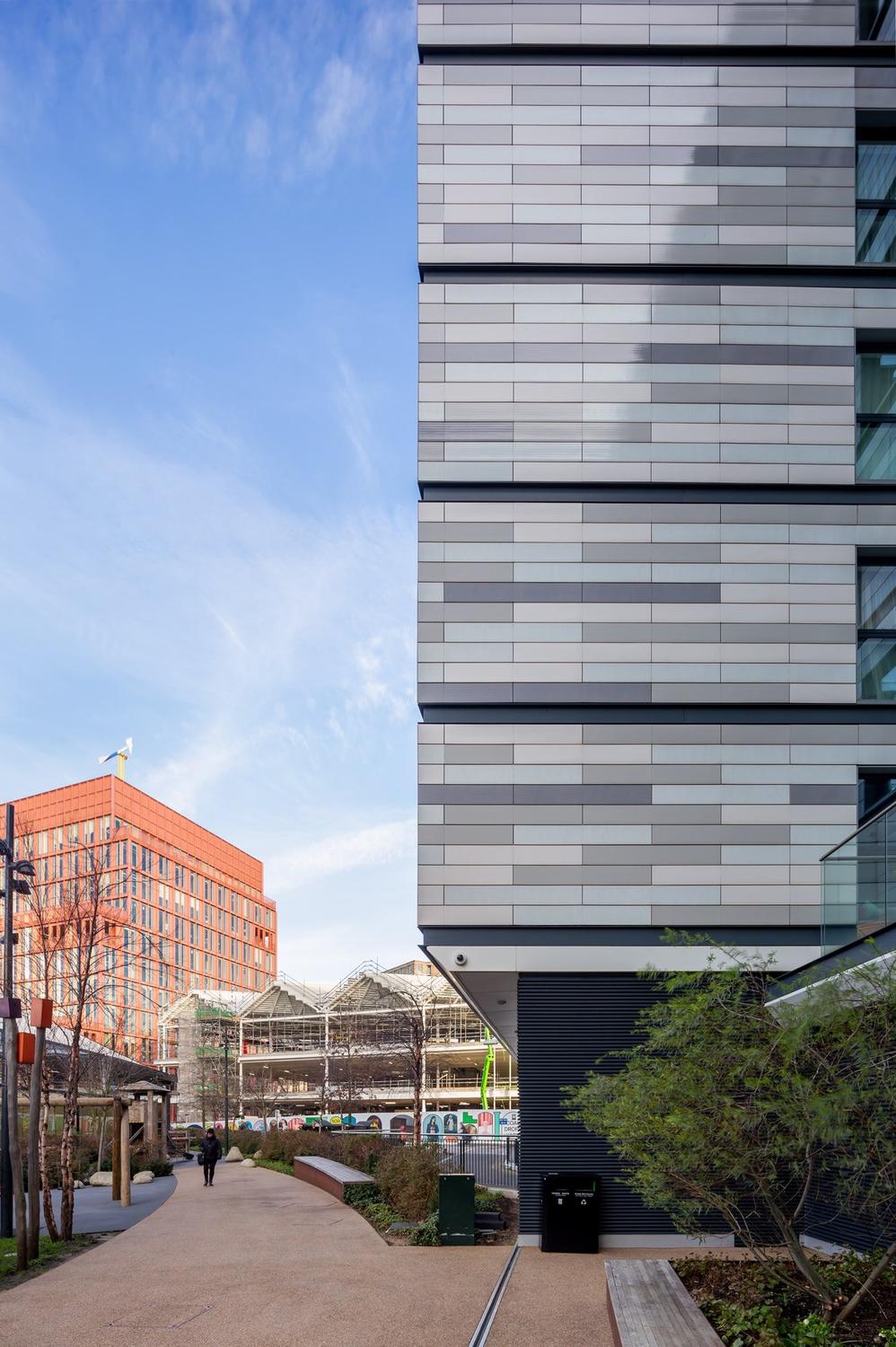
If the images will represent a design in a portfolio, an awards entry, a press release, or a development brochure that has to make a scheme feel worth the money, then it is architectural work. The same is true for anything a commercial or residential developer expects to reuse for years.
Explained
Why a scheme sometimes needs both
A new residential development is a common case where the two are not really in competition, because they are answering different questions for different audiences. The brochure cover, the developer's website, and the press launch need architectural photography that does the design justice. The individual unit listings, once units go on the market one by one, need fast, comprehensive real estate coverage of each specific flat.
Treating those as two separate, deliberately different commissions, rather than trying to stretch one shoot to cover both jobs, usually produces a better outcome for less total cost than asking either kind of photography to do work it was never built for.
Common questions
Frequently asked
What is the difference between architectural and real estate photography?
Real estate photography sells a specific property quickly and affordably, covering every room. Architectural photography documents a design for portfolios, press, and awards, and is slower, more selective, and technically stricter about perspective and light.
Is architectural photography more expensive than real estate photography?
Usually yes, because it takes considerably longer per image and involves more post-production. For letting a standard unit, real estate photography is better value. For representing a design, it is not comparable work.
Can an architectural photographer shoot property listings?
Yes, but it is often over-specified for the purpose. Listings benefit from speed and coverage, which is what real estate photography is built around.
Why does real estate photography use a wider lens than architectural photography?
Because a wide lens from a room's corner makes the space look larger for a listing, even though it converges lines toward the edges of the frame. Architectural work avoids that distortion deliberately, usually with shift lenses, because a building's true proportions are what the images are meant to show.
Why is real estate photography priced so differently to architectural photography?
The two are built around different volumes and different lifespans of use. Real estate photography is priced for high volume and fast turnaround, a flat fee per listing. Architectural photography is priced around far fewer images that each receive considerably more time, for material that gets reused for years rather than taken down once a listing closes.
Where to next